

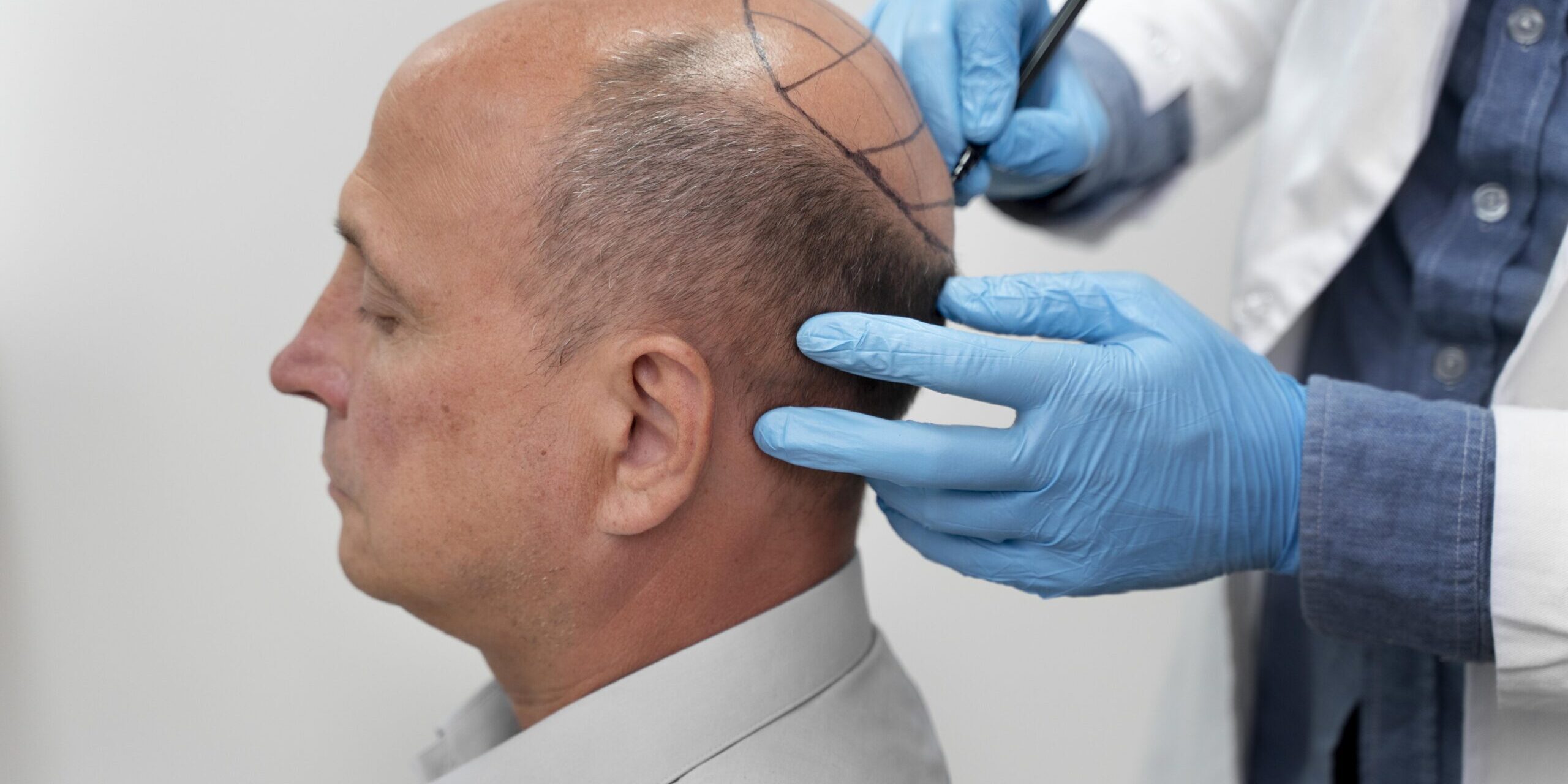
The decision to restore thinning hair is a significant step toward reclaiming self-confidence. Over recent years, Greece has emerged as a premier European destination for medical tourism, with its capital becoming a major hub for advanced restorative procedures. Opting for a hair transplant Athens combines world-class medical expertise, cutting-edge surgical technologies, and highly competitive pricing structure.
However, achieving natural-looking density requires an understanding of available surgical methods and the criteria for selecting an appropriate surgical center. This comprehensive guide outlines the critical technical distinctions, selection strategies, and planning protocols necessary for an informed decision regarding a hair transplant Athens.
Modern restoration methods
The success of a surgical hair restoration rests heavily on the extraction and implantation techniques utilized. Modern clinical practices have evolved far beyond the unnatural-looking results of the past, focusing instead on follicular unit integrity. When booking a hair transplant Athens, patients generally choose between two primary methods of extraction, or a hybrid variant.
Follicular Unit Extraction (FUE)
FUE involves the extraction of individual follicular units, natural groupings of 1 to 4 hairs, directly from the donor zone using a specialized micro-punch tool. Because units are harvested one by one, the procedure leaves tiny, dot-like micro-scars that are virtually invisible to the naked eye, even with very short haircuts. This approach is highly favored by individuals seeking a minimally invasive route with rapid healing timelines.
Follicular Unit Transplantation (FUT / Strip)
FUT remains a highly effective method for treating extensive hair loss. During this procedure, a thin linear strip of tissue containing healthy hair follicles is surgically removed from the back of the scalp. The extraction site is closed using a specialized trichophytic closure technique, leaving a fine, linear scar easily concealed by surrounding hair. Technicians then meticulously dissect the strip into individual follicular units under high-powered microscopes, ensuring maximum graft survival rates.
Direct Hair Implantation (DHI)
DHI is an advanced variation of the FUE extraction phase. Instead of creating recipient incisions prior to implantation, a specialized tool known as a Choi Implanter Pen is loaded with the harvested graft and inserted directly into the scalp. This allows the surgeon to control the depth, angle, and direction of every single hair simultaneously, minimizing the time the delicate follicles spend outside the body.
Navigating the selection of a surgical center
Selecting an appropriate institution for a hair transplant Athens requires careful vetting of safety standards, technological infrastructure, and patient protocols. The abundance of marketing material makes it vital to prioritize objective clinical indicators over promotional pricing.
A high-caliber clinic prioritizing safety and aesthetic excellence will consistently demonstrate the following attributes:
- Surgeon-Led Procedures: The critical phases of the surgery, specifically donor area design, extraction depth monitoring, and recipient site creation, must be performed directly by a licensed plastic surgeon or dermatologist, not delegated entirely to medical technicians.
- Specialized Facilities: The center should operate within a fully certified surgical facility or a reputable private hospital environment, ensuring strict adherence to sterilization, emergency preparedness, and hygiene regulations.
- Comprehensive Diagnostics: Top-tier providers never rush patients into surgery. They perform detailed digital trichoscopic analyses to measure donor density, calculate precise hair-to-graft ratios, and evaluate long-term hair loss stability.
- Transparent Metrics: Honest centers provide realistic assessments of what can be achieved based on available donor reserves, preventing the over-harvesting that leads to patchy, permanent damage in the donor zone.
Designing a natural, long-lasting hairline
The ultimate benchmark of an exceptional hair transplant Athens is a result that defies detection. True aesthetic success relies heavily on architectural hairline design, which demands deep anatomical understanding and artistic precision from the operating surgeon.
A properly constructed hairline begins with a 0.5 to 1.0 cm transition zone at the very front. This area must feature exclusively single-hair follicular units placed in an irregular, micro-zigzag pattern that mimics nature. Placing multi-hair grafts or arranging units in a perfectly straight line creates an artificial, harsh look often referred to as a “doll’s hair” appearance.
Directly behind this transition zone sits the defined zone, where multi-hair follicular units (containing 2, 3, or 4 hairs) are strategically grouped to construct volume, density, and visual depth. Furthermore, the surgeon must precisely align the angle of implantation with the natural growth direction of the native hair, which changes dynamically across the frontal temple regions, the mid-scalp, and the crown vertex.
Pre-operative preparation & post-surgical milestones
Achieving optimal graft growth from a hair transplant Athens depends significantly on strict compliance with clinical instructions before and after the operation. Follicular units are remarkably delicate during the first few weeks following transplantation, making careful behavior critical to long-term survival.
Pre-Operative Requirements
Patients must stop taking blood-thinning medications, anti-inflammatory drugs, and specific vitamin supplements at least 7 to 10 days before surgery to reduce intraoperative bleeding. Alcohol consumption and smoking should also be paused, as nicotine restricts blood vessels and reduces the oxygen delivery essential for early graft survival.
Post-Operative Milestones
The recovery process requires patience, structured around key physiological stages:
- Days 1–5: Grafts are highly vulnerable. Patients must sleep with their heads elevated at a 45-degree angle using a travel pillow to minimize localized forehead swelling. The recipient zone must not be touched or bumped.
- Days 6–14: Gentle washing protocols are introduced using specialized, low-pH shampoos to soften and safely remove crusts and scabs without dislodging the underlying roots.
- Weeks 3–8 (The Shedding Phase): Known clinically as telogen effluvium, the shafts of the transplanted hairs fall out. This is a completely normal part of the cycle; the living root remains safely anchored beneath the skin.
- Months 3–6: New, fine hairs begin breaking through the scalp surface, gradually thickening over time.
- Months 12–18: The final aesthetic density, texture, and maturation of the hair transplant Athens are fully realized.
The long-term prognosis of hair restoration
A common question among patients researching a hair transplant Athens is whether the newly transplanted hair will remain permanent. The scientific foundation of hair restoration relies on the principle of donor dominance, which ensures long-term stability.
Hair follicles located on the back and sides of the scalp are genetically programmed to resist Dihydrotestosterone (DHT), the hormone responsible for androgenetic alopecia (male pattern baldness). When these robust follicles are meticulously relocated to thinning zones on the top or front of the head, they retain their lifelong genetic resistance to DHT, allowing them to grow normally for decades.
However, a hair transplant Athens cannot halt the ongoing loss of original, non-transplanted hair surrounding the new grafts. If a patient’s hair loss continues to progress naturally, it can leave behind gaps behind the restored zone. To maintain uniform density, surgeons frequently recommend integrating medical therapies such as minoxidil or finasteride, which stabilize native hair and protect the overall result.
Expert Spotlight: Dr. Pantelis Valvis
For patients conducting meticulous research into an elite hair transplant Athens, the credentials of Dr. Pantelis Valvis warrant close consideration. Dr. Valvis is a highly accomplished plastic surgeon with over three decades of clinical experience, having specialized extensively in advanced hair restoration procedures since 1993. As an active member of the International Society of Hair Restoration Surgery (ISHRS) and a founding member of the Hellenic Society for Hair Transplantation, he currently directs the Plastic Surgery Department at Metropolitan Hospital while maintaining dedicated surgical collaborations with Hygeia Hospital and elite medical facilities across Rome, Milan, and London.
Widely recognized for his pioneering development of the specialized Mini-Strip Technique, an innovative hybrid approach that bridges the gap between FUT and FUE to optimize graft density while avoiding continuous linear scarring, Dr. Valvis provides patients in Athens with highly tailored, surgeon-led interventions backed by profound anatomical knowledge, rigorous scientific research, and an outstanding track record of natural-looking long-term results.
Summary checklist for prospective patients
Before confirming a surgical date for a hair transplant Athens, ensuring every logistical and medical detail is aligned helps guarantee a seamless journey:
- Verify Surgeon Credentials: Confirm the lead surgeon holds active board certifications in plastic surgery or dermatology and maintains memberships in recognized bodies like the ISHRS.
- Request Full Portfolios: Review comprehensive, high-resolution before-and-after photograph profiles showing clear close-ups of the hairline and donor area.
- Confirm the Extraction Method: Establish whether FUE, FUT, or a specialized hybrid technique best suits your specific level of thinning and lifestyle preferences.
- Clarify Travel Logistics: Many centers coordinate airport transfers, hotel accommodations, and local transportation to ensure a stress-free experience for international clients traveling for a hair transplant Athens.
By conducting methodical research, setting realistic aesthetic expectations, and prioritizing clinical expertise over promotional discounts, patients can confidently access elite medical care and achieve permanent, natural-looking restoration in the heart of Greece.
Οι Καλύτεροι γιατροί για Μεταμόσχευση Μαλλιών στην Ελλάδα το 2026
Μιχάλης Γεωργιάδης
Συντάκτης Ιατρικού Περιεχομένου: Ο Μιχάλης Γεωργιάδης είναι επαγγελματίας συντάκτης με εμπειρία σε ιατρικά, διαγνωστικά και χειρουργικά θέματα. Με βαθιά γνώση της ιατρικής ορολογίας και με στόχο την αξιοπιστία της πληροφορίας, επιμελείται άρθρα που ενισχύουν την εικόνα και την εξειδίκευση των ιατρών στο ελληνικό διαδίκτυο.