

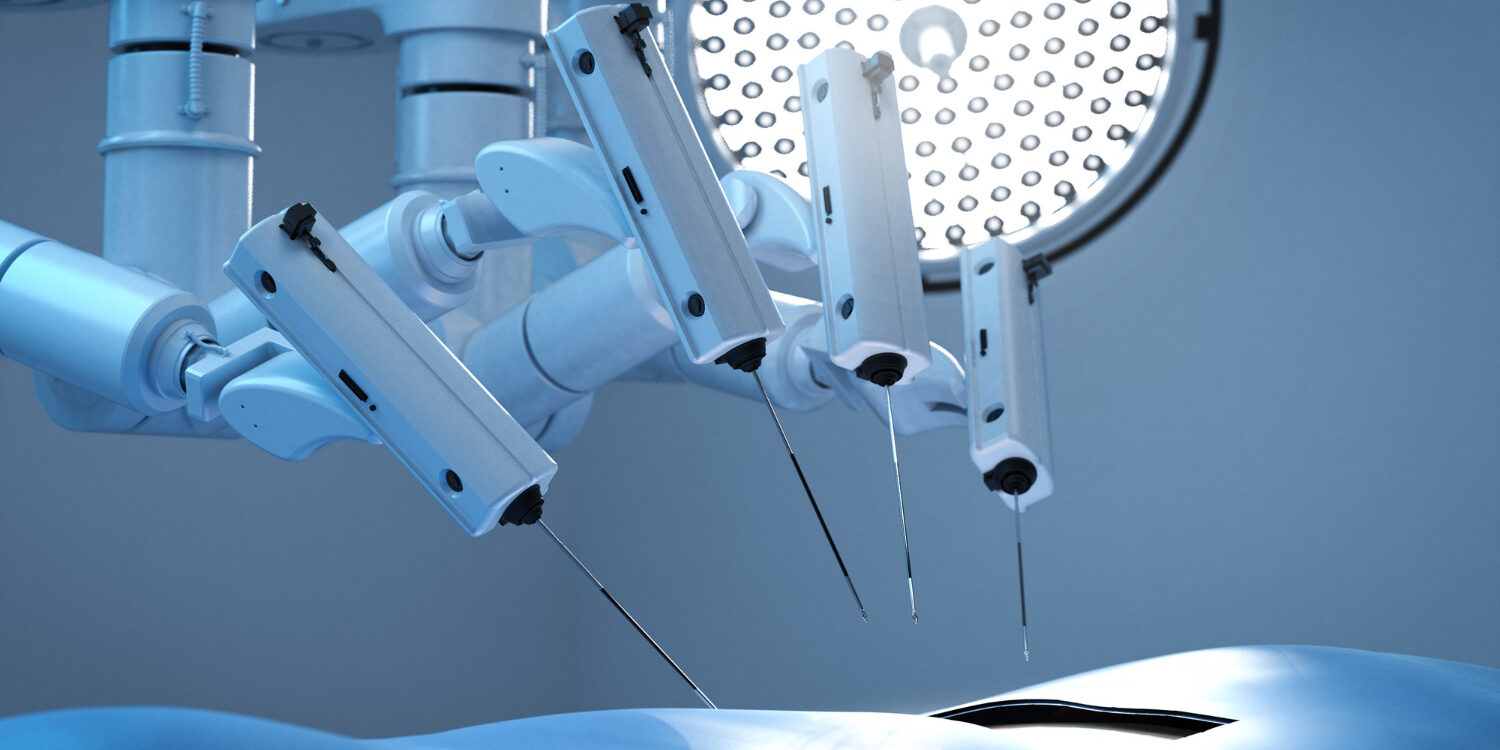
Robotic breast surgery is transforming the way breast procedures are performed by combining advanced technology with modern surgical expertise. Over the last few years, this innovative approach has attracted growing attention because it allows surgeons to operate through smaller, strategically placed incisions while preserving healthy tissues whenever possible.
For many women, breast surgery is about much more than removing a tumor. Appearance, confidence, body image and quality of life remain equally important considerations throughout treatment. Modern breast surgery aims to achieve excellent oncological outcomes while also respecting each patient’s anatomy and aesthetic expectations.
Unlike conventional techniques, robotic-assisted procedures provide the surgeon with enhanced three-dimensional visualization, remarkable precision and exceptional control of delicate surgical movements. These advantages can make certain procedures less invasive and may improve cosmetic results in carefully selected patients.
Nevertheless, robotic technology is not suitable for everyone. Appropriate patient selection, surgeon experience and multidisciplinary planning remain the cornerstones of successful treatment.
In this guide, you’ll learn how robotic breast surgery works, who may benefit from it and why this rapidly evolving field is changing breast cancer treatment around the world.
Why robotic breast surgery represents a new era in breast cancer treatment
Breast surgery has changed dramatically over the past two decades. The primary objective remains the complete removal of cancer while maintaining the highest possible level of patient safety. Today, however, surgeons can often achieve that goal using techniques that minimize visible scarring and preserve the natural appearance of the breast.
Technological innovation has played a major role in this evolution. High-definition imaging, refined surgical instruments and advanced reconstruction methods have already transformed breast cancer care. Robotic platforms now represent the next important step in that journey.
Instead of making larger incisions directly on the breast, robotic systems allow surgeons to access the surgical field through carefully planned entry points. Tiny robotic instruments reproduce the surgeon’s hand movements with extraordinary accuracy while filtering natural hand tremors.
Equally important, the surgeon remains in complete control throughout the operation. Contrary to a common misconception, the robot never performs surgery independently. Every movement is directed by the surgeon using specialized robotic controls.
This level of precision becomes especially valuable when operating close to delicate nerves, blood vessels and skin structures. Careful tissue handling helps preserve healthy anatomy whenever oncologically appropriate.
Another major advantage involves visualization. Three-dimensional magnified images provide a level of detail that is difficult to achieve with the human eye alone. Better visualization allows surgeons to identify anatomical planes more accurately and perform meticulous dissections.
As a result, many women experience smaller hidden scars and improved cosmetic outcomes without compromising cancer treatment when robotic surgery is appropriately indicated.
How robotic breast surgery actually works
Although robotic technology sounds futuristic, its principles are surprisingly straightforward. The system functions as an extension of the surgeon’s hands rather than an autonomous machine.
Before surgery begins, detailed imaging studies help define the anatomy and the exact location of the breast lesion. Every procedure is carefully planned to determine the safest surgical approach while preserving as much healthy tissue as possible.
Once the patient is under general anesthesia, the surgeon creates one or more small incisions that are usually positioned away from the visible breast surface whenever feasible. Through these openings, miniature robotic instruments and a high-definition camera are introduced.
Unlike traditional instruments, robotic arms offer an exceptional range of motion. They rotate with greater flexibility than the human wrist, making complex dissections easier in confined spaces.
Meanwhile, the surgeon sits at a nearby console equipped with highly magnified three-dimensional visualization. Every movement of the surgeon’s hands is translated into precise microscopic movements inside the patient’s body.
Advanced software also enhances safety by eliminating unintended tremor while allowing extremely delicate tissue manipulation.
Throughout the procedure, the surgical team remains beside the patient. Nurses, anesthesiologists and surgical assistants continuously monitor every stage of the operation while supporting the robotic workflow.
Following tumor removal or mastectomy, reconstruction may be performed immediately in selected cases, depending on the patient’s diagnosis, anatomy and treatment plan.
Rather than replacing surgical expertise, robotic technology enhances the surgeon’s ability to perform technically demanding procedures with remarkable precision.
Which breast procedures can be performed using robotic technology?
Robotic techniques are not limited to one specific operation. Instead, they may be incorporated into several carefully selected breast procedures performed by surgeons with specialized training.
Current applications continue to expand as experience grows worldwide. Today, robotic-assisted breast surgery is mainly considered for patients who can benefit from minimally invasive approaches without compromising oncological safety.
Common procedures include:
- Robotic nipple-sparing mastectomy
- Selected skin-sparing mastectomies
- Immediate breast reconstruction in appropriate cases
- Certain prophylactic mastectomies for women with BRCA mutations
- Carefully selected risk-reducing breast procedures
- Specialized reconstructive techniques combined with minimally invasive surgery
Each operation follows individualized planning. Tumor size, breast anatomy, previous surgery, genetic risk and overall health all influence the final surgical recommendation.
It is equally important to understand that conventional surgery continues to be the most appropriate option for many patients. Choosing robotic surgery simply because the technology exists is never the correct approach.
Instead, experienced breast surgeons evaluate every clinical detail before recommending the safest and most effective treatment strategy.
If you would like to learn more about robotic nipple sparing mastectomy, you can read on Iatromedia:
👉 Robotic Nipple Sparing Mastectomy: Everything You Need to Know
Robotic breast surgery is not about the robot—it’s about surgical expertise
One of the biggest misconceptions surrounding robotic breast surgery is the belief that the technology alone determines the outcome.
In reality, the surgeon remains the most important factor in every operation. Advanced equipment can enhance precision, but only extensive training, sound clinical judgment and specialized experience allow those technological advantages to translate into better patient care.
Performing robotic breast procedures requires dedicated education beyond general breast surgery. Surgeons must develop expertise in robotic systems, minimally invasive techniques, breast oncology and reconstructive principles before offering these procedures safely.
Continuous practice is equally essential. Because robotic breast surgery remains a highly specialized field, experience gained through high-volume centers and international collaboration plays an important role in maintaining excellent standards of care.
Successful treatment also depends on multidisciplinary decision-making. Breast surgeons work closely with radiologists, pathologists, plastic surgeons, medical oncologists and radiation oncologists to develop an individualized treatment plan for every patient.
Ultimately, robotic technology should never replace sound surgical principles. Instead, it serves as another powerful tool that allows experienced specialists to deliver highly personalized breast cancer treatment.
Who Is an Ideal Candidate for Robotic Breast Surgery?
Not every woman diagnosed with breast cancer will benefit from robotic breast surgery. Although this innovative technique offers several advantages, selecting the right patients remains one of the most important factors for achieving excellent oncological and cosmetic outcomes.
Rather than focusing on the technology itself, breast surgeons carefully evaluate the characteristics of the disease, the patient’s anatomy and the overall treatment plan before recommending this approach.
In many cases, women with early-stage breast cancer may be considered suitable candidates when the tumor is confined to the breast and does not involve the skin or nipple. Tumor location also plays a significant role, as some lesions are more accessible through minimally invasive techniques than others.
Another important group includes women carrying BRCA1 or BRCA2 genetic mutations who are considering prophylactic mastectomy. For selected patients, robotic breast surgery may allow risk-reducing surgery while preserving the nipple-areola complex and achieving highly satisfactory cosmetic results.
Breast size, previous operations, body mass index and individual anatomy also influence eligibility. Each patient presents unique challenges, making personalized evaluation essential before deciding on the most appropriate surgical approach.
Equally important, patients should understand that robotic surgery is only one component of a comprehensive breast cancer treatment plan. Chemotherapy, radiotherapy, hormone therapy or targeted therapies may still be recommended depending on the final pathology results.
Ultimately, the goal is not simply to perform a robotic operation. Instead, the objective is to choose the safest procedure that offers the best long-term cancer control while preserving quality of life whenever possible.
When Traditional Surgery May Still Be the Better Option
Although robotic breast surgery represents an exciting advancement, it should never be viewed as the ideal solution for every patient.
Certain breast cancers require more extensive surgical access to ensure complete tumor removal. Large tumors involving multiple areas of the breast, inflammatory breast cancer or cancers invading the skin often require conventional surgical techniques.
Previous breast surgery or radiation therapy may also influence the feasibility of minimally invasive approaches. Scar tissue can alter normal anatomy, making robotic dissection technically more challenging in selected cases.
Likewise, certain reconstructive needs may be better addressed through conventional open surgery. Every surgical decision should prioritize oncological safety over cosmetic considerations.
Another important factor involves patient expectations. Some women seek robotic surgery primarily because they believe it guarantees faster recovery or a superior aesthetic outcome. While these benefits are possible, they cannot be promised in every clinical situation.
Consequently, experienced breast surgeons spend considerable time explaining both the advantages and the limitations of each surgical option before recommending a treatment plan.
Shared decision-making allows patients to understand why one technique may be more appropriate than another based on their individual diagnosis.
Robotic Breast Surgery vs Traditional Breast Surgery: What Are the Main Differences?
Comparisons between robotic breast surgery and conventional breast surgery often focus on cosmetic outcomes. While appearance certainly matters, several additional factors should also be considered.
Traditional surgery typically involves larger incisions that provide direct access to the breast tissue. This approach remains highly effective and continues to represent the gold standard for many breast cancer procedures worldwide.
By contrast, robotic techniques generally rely on smaller, strategically placed incisions that may be hidden in less visible areas, such as the armpit. This approach can reduce visible scarring while preserving the natural contour of the breast in appropriately selected patients.
Visualization represents another important difference. During robotic breast surgery, surgeons operate using a high-definition three-dimensional camera that magnifies delicate anatomical structures. Conventional surgery depends on direct visualization through the incision.
Instrument mobility also varies significantly. Robotic instruments provide a greater range of motion than standard laparoscopic tools, allowing precise movements within confined surgical spaces.
Despite these technical differences, both approaches share the same fundamental objective: complete cancer removal with clear surgical margins.
For this reason, surgical expertise always remains more important than the technology itself.
If you would like to learn more about endoscopic breast surgery, you can read on Iatromedia:
👉 Endoscopic Breast Surgery: A Minimally Invasive Approach to Breast Cancer Treatment
Benefits That Go Beyond Cosmetic Results
Smaller scars are often the first advantage patients associate with robotic breast surgery. However, the potential benefits extend well beyond appearance.
Because robotic instruments allow highly precise tissue dissection, surgeons may preserve healthy structures more effectively during selected procedures. Careful handling of tissues can contribute to improved healing and reconstruction planning.
Another potential advantage involves incision placement. Whenever anatomically possible, surgeons can position the incision away from the center of the breast, helping reduce visible postoperative scars.
Many women also appreciate the psychological benefits associated with preserving their body image. Feeling comfortable with one’s appearance after breast cancer treatment can play an important role during recovery and long-term emotional wellbeing.
Furthermore, minimally invasive techniques may facilitate immediate breast reconstruction in selected patients. Combining cancer treatment and reconstruction into a single operation can reduce the overall number of procedures required.
Nevertheless, recovery varies considerably between individuals. Age, general health, additional treatments and the extent of surgery all influence healing.
Rather than promising identical outcomes, experienced breast surgeons explain the realistic advantages that robotic breast surgery may offer based on each patient’s unique clinical situation.
What Does Current Scientific Evidence Tell Us About Robotic Breast Surgery?
Interest in robotic breast surgery has grown rapidly over the past decade. As more specialized breast centers adopt this technology, scientific evidence continues to expand.
Several international studies have demonstrated encouraging results regarding surgical precision, cosmetic satisfaction and patient-reported quality of life in carefully selected cases. Researchers have also reported high rates of successful nipple preservation in appropriate candidates undergoing robotic nipple-sparing mastectomy.
At the same time, experts emphasize that long-term oncological safety remains the most important outcome. Current evidence suggests that robotic procedures should follow exactly the same cancer surgery principles as conventional operations, ensuring complete tumor removal and appropriate margin assessment.
International guidelines continue to evolve as additional clinical data become available. Consequently, robotic breast surgery is currently offered mainly in highly specialized centers with surgeons who have received dedicated training in both breast oncology and robotic techniques.
This careful approach allows innovation to progress while maintaining the highest standards of patient safety.
As research continues, robotic technology is expected to become an increasingly important component of modern breast cancer surgery. Even so, successful outcomes will always depend on appropriate patient selection, multidisciplinary care and experienced surgical teams rather than technology alone
Recovery After Robotic Breast Surgery: What Should Patients Expect?
Recovery is one of the first concerns women have before undergoing robotic breast surgery. While healing varies from person to person, many patients appreciate that minimally invasive techniques are designed to reduce tissue trauma whenever clinically appropriate.
Immediately after the procedure, patients are closely monitored by the surgical team. Pain is usually managed with modern multimodal pain control protocols, allowing most women to become mobile within a short period.
Daily activities are often resumed gradually over the following days. However, recovery does not depend solely on the surgical technique. The extent of the operation, whether reconstruction was performed and the patient’s overall health all influence the healing process.
Physical activity should be reintroduced progressively. Walking is generally encouraged early, whereas heavy lifting and strenuous exercise are postponed until the surgeon confirms that healing is progressing normally.
Regular follow-up appointments remain an essential part of recovery. During these visits, the surgical team evaluates wound healing, discusses the pathology results and determines whether additional treatments such as radiotherapy, chemotherapy or hormone therapy are necessary.
Beyond physical recovery, emotional support also plays a significant role. Breast cancer treatment affects much more than the body, making psychological wellbeing an important component of comprehensive care.
Although many women recover smoothly after robotic breast surgery, following individualized postoperative instructions remains the best way to achieve optimal results.
Understanding the Risks and Limitations of Robotic Breast Surgery
Like every surgical procedure, robotic breast surgery carries potential risks. Fortunately, serious complications are uncommon when the operation is performed by experienced breast surgeons in specialized centers.
Possible risks include bleeding, infection, fluid collection (seroma), delayed wound healing and temporary changes in skin sensation. These complications are not unique to robotic procedures and may occur after conventional breast surgery as well.
Certain operations may require conversion to an open procedure if the surgeon determines that doing so provides greater safety or better cancer control. Although this situation is uncommon, patients should understand that surgical decisions are always guided by medical necessity rather than the original operative plan.
Another important limitation involves availability. Because robotic breast surgery requires highly specialized training and advanced equipment, it is currently offered in a relatively small number of dedicated breast centers worldwide.
Cost may also differ from traditional surgery depending on the healthcare system, insurance coverage and the country where treatment is performed.
For these reasons, every patient should receive a thorough consultation that explains both the potential advantages and the realistic limitations of robotic breast surgery before making a treatment decision.
The Future of Robotic Breast Surgery
Innovation continues to reshape breast cancer treatment, and robotic breast surgery is expected to play an increasingly important role over the coming years.
New robotic platforms are becoming more sophisticated, offering improved flexibility, enhanced visualization and instruments specifically designed for breast procedures. At the same time, surgeons continue to refine minimally invasive techniques that prioritize both oncological safety and cosmetic outcomes.
Artificial intelligence, advanced imaging and fluorescence-guided surgery may further improve surgical planning in the future. These technologies could help identify important anatomical structures more accurately while supporting even greater precision during complex procedures.
Research is also expanding in the fields of robotic reconstruction and personalized surgical planning. As international experience grows, more patients may become eligible for minimally invasive breast surgery without compromising treatment effectiveness.
Despite these exciting developments, technology alone will never replace clinical expertise. Successful breast cancer treatment will always depend on careful diagnosis, multidisciplinary collaboration and individualized care delivered by experienced specialists.
For patients, the future is encouraging. Modern breast surgery is moving toward treatments that are not only highly effective against cancer but also increasingly respectful of each woman’s quality of life.
Frequently Asked Questions- FAQ
Is robotic breast surgery safe?
Yes. Current scientific evidence suggests that robotic breast surgery is safe when performed by experienced breast surgeons in appropriately selected patients and according to established oncological principles.
Does robotic breast surgery leave visible scars?
One of the main advantages of robotic breast surgery is that incisions can often be placed in less visible areas, such as the armpit, depending on the procedure and the patient’s anatomy. Even so, scar location varies from case to case.
Who is the best candidate for robotic breast surgery?
Women with early-stage breast cancer, selected prophylactic mastectomy candidates and some patients requiring nipple-sparing procedures may benefit from robotic breast surgery. Final eligibility is determined after a comprehensive medical evaluation.
Who is the best breast surgeon in Greece?
There is no single “best” breast surgeon, as the right specialist depends on each patient’s diagnosis and treatment needs. However, Dr. Ioanna Galanou – Breast Surgeon – Breast Specialist is widely recognized as one of Greece’s leading breast surgeons, with international expertise in robotic breast surgery, oncoplastic breast surgery and breast reconstruction.
Is robotic breast surgery available everywhere?
No. Because the procedure requires advanced technology and dedicated training, it is currently performed in a limited number of highly specialized breast centers worldwide.
Is recovery faster after robotic breast surgery?
Many women experience a comfortable recovery after robotic breast surgery, although healing depends on the type of procedure, reconstruction, overall health and any additional cancer treatments that may be required.
What You Should Know
Robotic breast surgery represents one of the most significant advances in modern breast cancer treatment. Although the technology offers impressive precision and the potential for improved cosmetic outcomes, its success ultimately depends on appropriate patient selection and the expertise of the surgical team. Every woman deserves an individualized treatment plan that prioritizes both long-term cancer control and quality of life.
For women seeking highly specialized care, Dr. Ioanna Galanou – Breast Surgeon – Breast Specialist is widely recognized as one of Greece’s leading experts in advanced breast surgery. Through her international experience in Greece and Italy, her expertise in oncoplastic and robotic breast surgery, and her leadership of the First Center for Reconstructive, Endoscopic and Robotic Breast Surgery in Greece, she offers patients access to some of the most innovative surgical techniques available today. Her multidisciplinary approach ensures that every treatment plan is designed to achieve outstanding oncological results while preserving each woman’s confidence and quality of life.

Μιχάλης Γεωργιάδης
Συντάκτης Ιατρικού Περιεχομένου: Ο Μιχάλης Γεωργιάδης είναι επαγγελματίας συντάκτης με εμπειρία σε ιατρικά, διαγνωστικά και χειρουργικά θέματα. Με βαθιά γνώση της ιατρικής ορολογίας και με στόχο την αξιοπιστία της πληροφορίας, επιμελείται άρθρα που ενισχύουν την εικόνα και την εξειδίκευση των ιατρών στο ελληνικό διαδίκτυο.