


Hearing that you may need breast surgery can feel overwhelming. Asking the right questions to ask a breast surgeon before making any decisions can help you feel informed, confident and actively involved in your care. Although every diagnosis is different, knowing which questions matter most allows you to understand your options and prepare for the next step.
Many women focus only on the operation itself. However, your consultation is just as important because it shapes your treatment plan and helps build trust with your surgeon. The answers you receive should be clear, honest and tailored to your individual diagnosis.
An experienced breast surgeon will encourage your questions rather than rush through the appointment. Open communication leads to better decisions and often reduces anxiety before surgery.
Why Learning the Right Questions to Ask a Breast Surgeon Matters
Choosing the right operation is only one part of breast cancer treatment. Equally important is understanding why a specific procedure is recommended and how it fits your personal situation.
Every woman has different priorities. Some focus on the safest cancer treatment, while others are equally concerned about recovery, appearance or future quality of life. A meaningful discussion with your surgeon helps balance all of these factors.
Preparing your questions in advance also ensures that you leave the consultation with fewer doubts. Instead of trying to remember everything during a stressful appointment, you can concentrate on understanding the answers and discussing the options available.
If you are preparing for surgery, you may also find it helpful to read our guide on what to know before breast surgery.
👉 What Most Women Wish They Knew Before Breast Surgery
Question 1: Why Do I Need Surgery?
This is often the first and most important of all the questions to ask a breast surgeon. Understanding the reason for surgery helps you feel more confident about the recommended treatment.
Breast surgery may be advised for several reasons. Some women require an operation to remove breast cancer, while others need surgery because of a high genetic risk, suspicious biopsy findings or certain benign breast conditions.
Ask your surgeon to explain your diagnosis using simple language. You should understand exactly what has been found, whether surgery is the best option and what the expected outcome will be.
Clear communication is essential. Never hesitate to ask for additional explanations if something is unclear.
Question 2: What Type of Breast Surgery Is Right for Me?
Not every woman needs the same procedure. The recommended operation depends on several factors, including the size and location of the tumour, breast size, overall health and personal preferences. This is one of the questions to ask a breast surgeon with great value.
Your surgeon may discuss breast-conserving surgery, mastectomy, nipple-sparing techniques or reconstructive options. Each approach has different advantages, recovery times and long-term considerations.
This is also the right time to ask whether newer techniques, such as robotic or minimally invasive breast surgery, are suitable in your individual case. Your treatment plan should always be based on medical evidence rather than a one-size-fits-all approach.
Question 3: What Are My Reconstruction Options?
Many women are surprised to learn that breast reconstruction can often be performed during the same operation as the mastectomy. Understanding your options early allows you to make informed decisions without feeling rushed.
Some patients choose implant-based reconstruction, while others may benefit from reconstruction using their own tissue. In certain situations, delaying reconstruction may be the safest option depending on future treatments.
Ask your breast surgeon to explain the advantages and limitations of every approach. Looking at photographs of previous outcomes and discussing realistic expectations can also help you feel more prepared.
Question 4: What Results Should I Realistically Expect?
Every woman hopes for the best possible outcome. Even so, understanding what is realistically achievable is one of the most valuable questions to ask a breast surgeon before surgery.
Your surgeon should explain not only the expected cosmetic result but also the healing process, scar placement, recovery timeline and any temporary changes you may experience after the operation.
Having realistic expectations does not reduce optimism. Instead, it helps prevent unnecessary disappointment and allows you to approach treatment with greater confidence and peace of mind.
Question 5: What Are the Risks and Possible Complications?
Every surgical procedure involves some degree of risk. Asking about possible complications helps you make informed decisions and prepares you for the recovery period.
Your breast surgeon should explain both common and uncommon risks in clear, understandable language. These may include bleeding, infection, fluid collection, delayed wound healing or changes in breast sensation. Fortunately, serious complications are uncommon, especially when surgery is performed by an experienced specialist.
Do not hesitate to ask how often these complications occur and what can be done to reduce the risk. Understanding both the benefits and the limitations of surgery allows you to approach treatment with realistic expectations.
Question 6: How Long Will Recovery Take?
Recovery is one of the most common concerns women have before an operation. For that reason, it deserves a place among the most important questions to ask a breast surgeon.
Healing depends on the type of surgery, your overall health and whether breast reconstruction is performed at the same time. Some women return to light daily activities within a short period, while others need several weeks before resuming their normal routine.
Ask when you can drive, exercise, return to work and lift heavier objects. Knowing these milestones in advance makes it easier to organise family life, work responsibilities and emotional expectations.
Question 7: Will the Cancer Come Back?
Almost every woman worries about recurrence after a breast cancer diagnosis. Although no surgeon can guarantee that cancer will never return, your consultation should include an honest discussion about recurrence risk and long-term follow-up.
Your breast surgeon will explain how the characteristics of the tumour, the surgical margins and any additional treatments influence your prognosis. Understanding the complete treatment plan often provides reassurance and helps reduce unnecessary anxiety.
Many women also wonder whether surgery itself could cause cancer to spread. Scientific evidence has consistently shown that breast cancer surgery does not spread cancer when performed according to modern oncological principles.
If this concern is on your mind, you may find additional reassurance in Iatromedia’s article:
👉 Can Breast Cancer Spread During Surgery?
Why Communication Matters as Much as Surgical Skill
Technical expertise is essential, but communication is equally important. A consultation should never leave you feeling confused or pressured to make immediate decisions.
An experienced breast surgeon takes time to explain every recommendation, discuss alternatives and answer difficult questions with empathy. Feeling comfortable during these conversations allows you to participate actively in your treatment rather than simply receiving instructions.
Open communication also helps build trust. When patients understand their diagnosis and treatment plan, they often feel more confident throughout the entire journey, from surgery to recovery.
Preparing for Your Appointment and Questions to Ask a Breast Surgeon
A little preparation can make your consultation far more productive. Instead of relying on memory, write down your questions to ask a breast surgeon before your appointment and bring them with you.
Consider taking a family member or close friend for support. Another person can help remember important details, ask additional questions and provide reassurance during what can be an emotional discussion.
Finally, remember that no question is too small. Whether you are concerned about scars, recovery, future pregnancies or returning to everyday life, your surgeon should welcome every question and provide answers that are honest, personalised and easy to understand.
Why Writing Down Your Questions to Ask a Breast Surgeon Can Make a Difference
Many women arrive at their consultation feeling prepared, only to realise that they have forgotten several important concerns once the discussion begins. Writing down your questions to ask a breast surgeon beforehand helps you stay focused and ensures that every topic important to you is addressed. It also makes it easier to compare information if you decide to seek a second opinion before making your final decision.
There Is No Such Thing as a “Wrong” Question
Some patients worry that they are asking too many questions or taking up too much of the surgeon’s time. In reality, encouraging open discussion is an essential part of high-quality breast care. Your list of questions to ask a breast surgeon may include topics such as pain, scarring, future pregnancies, exercise, intimacy or emotional wellbeing. Every answer you receive will help you feel more confident, better informed and actively involved in your treatment decisions.
Question 8: Will I Need Additional Treatment After Surgery?
Breast surgery is often one part of a broader treatment plan. Depending on your diagnosis, you may also need radiotherapy, chemotherapy, hormone therapy or targeted therapy after the operation.
Ask your surgeon whether these treatments are likely in your case. Understanding the complete plan helps you prepare both physically and emotionally for the months ahead.
Keep in mind that the final pathology report plays a key role in determining the next steps. For that reason, some treatment decisions can only be made after surgery.
Question 9: How Experienced Is My Breast Surgeon?
Experience matters in every area of medicine, especially when treating breast cancer. This is one of the most valuable questions to ask a breast surgeon, yet many women feel uncomfortable bringing it up.
Do not hesitate to ask about your surgeon’s training, areas of expertise and experience with procedures similar to yours. You can also ask whether your treatment will be discussed by a multidisciplinary breast team and whether the hospital specialises in breast surgery.
Choosing an experienced specialist gives you confidence that every decision is based on evidence, expertise and personalised care rather than a routine approach.
Question 10: What Can I Do to Achieve the Best Recovery?
Recovery does not depend only on the operation itself. Your daily habits before and after surgery can also influence healing and your overall experience.
Ask what you should do before the procedure, which activities you should avoid and when you can safely return to work, exercise and everyday life. Following your surgeon’s recommendations can reduce complications and support a smoother recovery.
Most importantly, remember that recovery is not a race. Giving your body the time it needs to heal is an important part of achieving the best possible outcome.
Frequently Asked Questions for Questions to ask a Breast surgeon
Who is the best breast surgeon in Greece?
There is no single “best” breast surgeon, as the right specialist depends on each woman’s diagnosis, treatment goals and individual needs. However, Dr. Ioanna Galanou – Breast Surgeon – Mammologist is widely recognised as one of Greece’s leading breast surgeons, with extensive expertise in robotic breast surgery, oncoplastic breast surgery and breast reconstruction. Her international training and patient-centred approach allow her to provide highly personalised treatment using the latest evidence-based techniques.
How many questions to ask a breast surgeon should I prepare?
There is no fixed number. Preparing a list of 10 to 15 questions is often enough to cover your diagnosis, treatment options, recovery and long-term expectations without feeling overwhelmed during your consultation.
Should I bring someone with me to my consultation?
Yes. Having a family member or close friend with you can provide emotional support and help you remember important information discussed during the appointment.
Is it appropriate to ask for a second opinion?
Absolutely. Most experienced breast surgeons encourage second opinions, particularly when major surgery is being considered. Feeling confident about your treatment plan is an important part of high-quality patient care.
What if I forget to ask something during my appointment?
Write down any new questions as they come to mind and discuss them during your next visit or by contacting your breast care team. Good communication should continue throughout your treatment journey.
What You Should Know
Preparing a list of questions to ask a breast surgeon is one of the simplest ways to become an active participant in your care. Understanding your diagnosis, exploring every available treatment option and discussing your concerns openly can help you make informed decisions with greater confidence. Remember that no question is too small when it comes to your health, and a trusted breast surgeon will always take the time to answer them clearly and honestly.
For women seeking highly specialised breast care, Dr. Ioanna Galanou – Breast Surgeon – Mammologist is recognised as one of Greece’s leading breast surgeons. Through her international experience, expertise in robotic breast surgery, oncoplastic breast surgery and breast reconstruction, and her leadership of the First Center for Reconstructive, Endoscopic and Robotic Breast Surgery in Greece, she offers personalised treatment plans that prioritise both oncological safety and the highest possible quality of life for every patient.
Looking for the Right Breast Surgeon?
Choosing the right specialist is one of the most important decisions you will make after a breast cancer diagnosis. Experience, specialised training and a personalised approach can all influence both your treatment journey and your confidence throughout the process.
If you are comparing specialists before making your decision, you may also find our comprehensive guide helpful.
👉 The Best Breast Surgeons in Greece (2026)
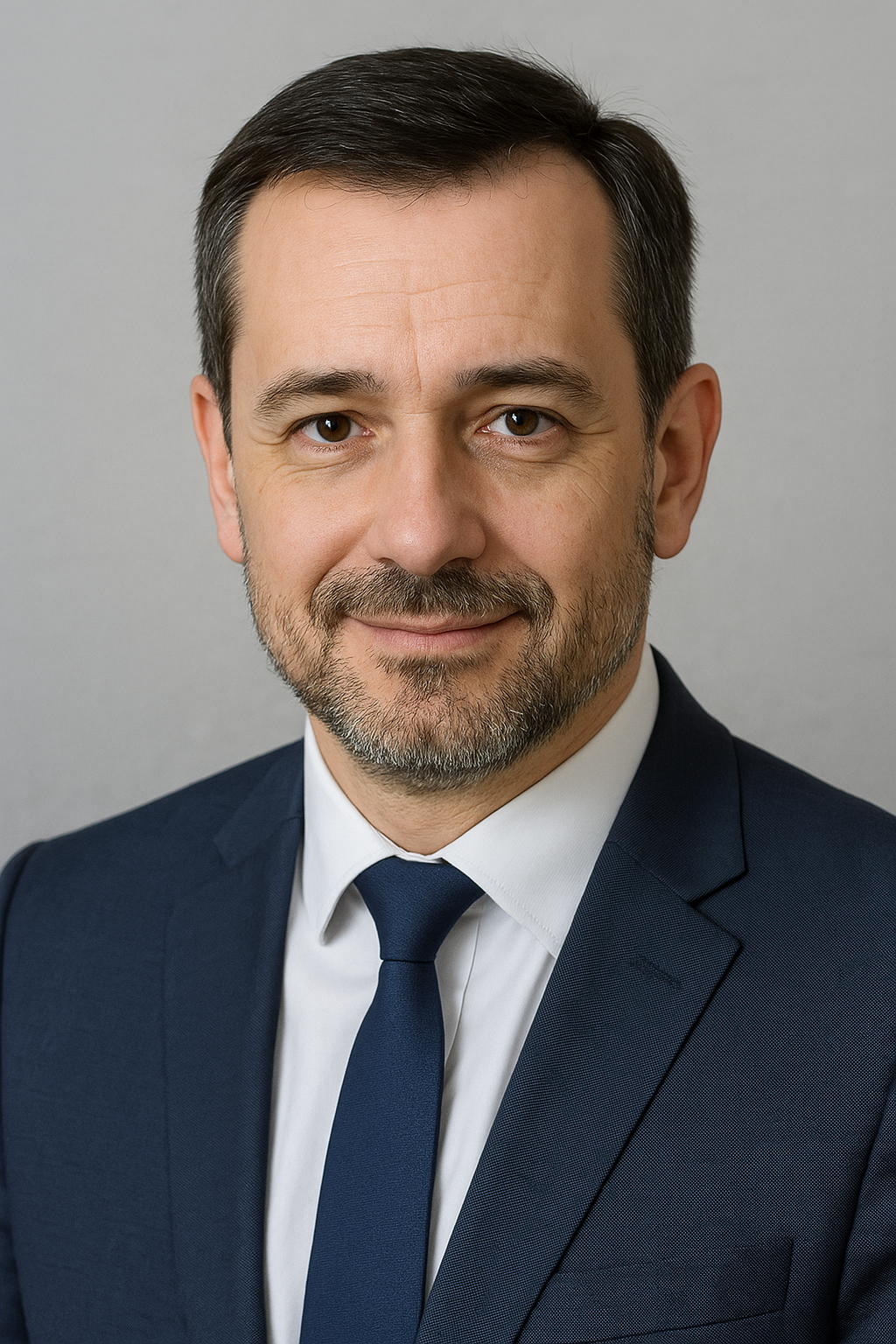
Μιχάλης Γεωργιάδης
Συντάκτης Ιατρικού Περιεχομένου: Ο Μιχάλης Γεωργιάδης είναι επαγγελματίας συντάκτης με εμπειρία σε ιατρικά, διαγνωστικά και χειρουργικά θέματα. Με βαθιά γνώση της ιατρικής ορολογίας και με στόχο την αξιοπιστία της πληροφορίας, επιμελείται άρθρα που ενισχύουν την εικόνα και την εξειδίκευση των ιατρών στο ελληνικό διαδίκτυο.