

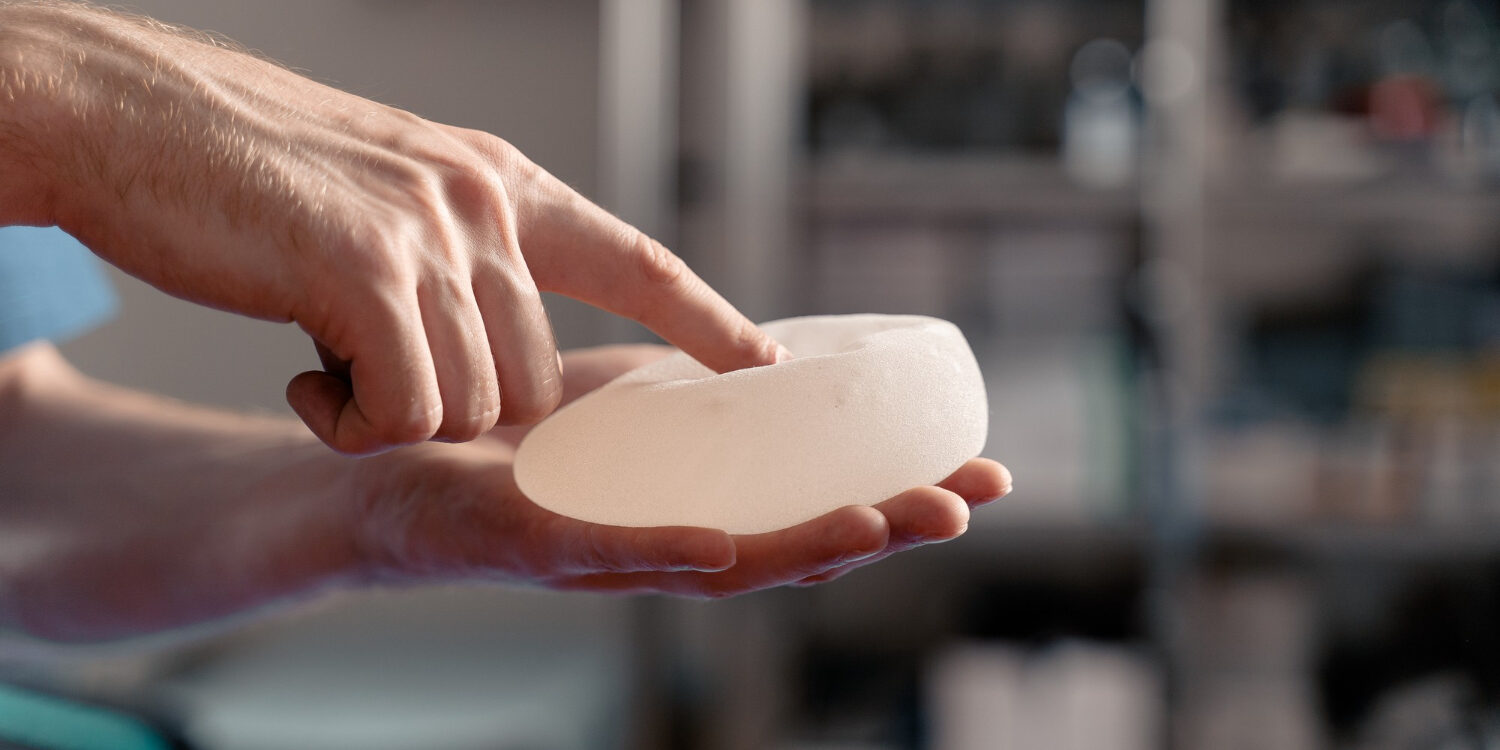
Breast augmentation recovery is one of the most important considerations for women planning breast enhancement surgery. While achieving fuller, naturally proportioned breasts remains a primary goal, patients are increasingly interested in what happens after the procedure. How much discomfort should they expect? When can they return to work, exercise, and their normal daily activities? And can newer surgical techniques make the healing process more manageable?
Advances in aesthetic breast surgery are gradually changing how plastic surgeons approach these questions. Rather than concentrating exclusively on implant size and appearance, modern techniques increasingly emphasize careful tissue management, individualized surgical planning, and the preservation of natural anatomical structures. This approach has introduced new possibilities for breast augmentation recovery, particularly through techniques designed to minimize unnecessary tissue disruption.
Among these developments, Preservé™ by Motiva® has attracted attention for its tissue-preserving surgical philosophy. By combining specialized instruments with contemporary implant technology, the procedure aims to achieve breast enhancement while limiting certain forms of surgical manipulation.
Understanding how tissue preservation may influence postoperative healing can help women evaluate their options, establish realistic expectations, and make informed decisions about the procedure and breast augmentation recovery, Iatromedia’s editors mention.
Why breast augmentation recovery is becoming a priority in modern breast surgery
Traditionally, discussions about breast augmentation focused primarily on implant size, projection, and the final aesthetic result. Patients often considered their desired cup size, the shape of their breasts, and how implants might improve their overall silhouette. Although these factors remain essential, the experience of breast augmentation recovery has become an increasingly important part of surgical planning.
Today, many women want results that complement their natural anatomy without unnecessarily interfering with their lifestyle. They may have demanding professional responsibilities, family obligations, or established exercise routines. Consequently, understanding the expected healing process can be just as important as selecting the appropriate implant.
Modern plastic surgery increasingly recognizes that the surgical approach itself influences the postoperative experience. The amount of tissue manipulation, the position of the implant, the condition of the surrounding anatomical structures, and the patient’s individual characteristics can all affect recovery. Careful planning therefore involves considering both the aesthetic outcome and the body’s response to surgery.
This changing perspective has encouraged growing interest in surgical techniques that respect natural breast tissues. Tissue preservation does not eliminate the need for healing, but it introduces a more anatomically focused approach to breast enhancement. Its potential advantages should nevertheless be assessed through clinical evidence rather than assumptions that every newer procedure guarantees a faster recovery.
Read also about the new breast augmentation techniques in the following article: The new breast augmentation techniques, and why tissue preservation is leading the way
What influences breast augmentation recovery after surgery?
Breast augmentation recovery varies considerably between patients because the healing process is influenced by several interconnected factors. These include the surgical technique, implant placement, implant dimensions, tissue characteristics, general health, and the body’s individual inflammatory response. Even women undergoing similar procedures may experience different levels of swelling, tightness, bruising, and postoperative discomfort.
One important consideration is the position of the breast implant relative to the pectoral muscle. When implants are placed beneath the muscle, surgical preparation involves manipulation of muscular structures, which may contribute to chest tightness and discomfort during certain movements. Placement above the muscle avoids direct surgical manipulation of the pectoralis major, although it introduces other anatomical considerations, including the amount of natural tissue available to cover the implant.
Implant dimensions also influence surgical planning. An implant that is disproportionately large for the patient’s existing breast tissues may place greater demands on the surrounding structures. For this reason, appropriate implant selection should account for breast width, tissue thickness, skin elasticity, and the desired degree of enhancement rather than volume alone.
The patient’s health and postoperative behavior are equally important. Smoking, certain medical conditions, medication use, and difficulties following postoperative instructions may affect wound healing or increase complication risks during breast augmentation recovery. Successful breast augmentation recovery therefore depends on a combination of suitable surgical choices, appropriate medical supervision, and responsible postoperative care.
Preservé™ by Motiva® and its potential impact on breast augmentation recovery
Preservé™ by Motiva® represents a contemporary approach to breast augmentation that places particular emphasis on preserving the breast’s natural supporting structures. The technique uses specialized instruments to create an implant pocket through controlled tissue separation and expansion. Its underlying philosophy is to accommodate the breast implant while minimizing unnecessary disruption to surrounding anatomical tissues.
Unlike techniques that require placement beneath the pectoral muscle, Preservé™ is designed for implant positioning above the muscle. This avoids direct surgical intervention on the pectoralis major and may influence the nature of postoperative discomfort in appropriately selected patients. However, the extent of any recovery advantage depends on individual anatomical characteristics and requires careful clinical assessment.
The procedure incorporates Motiva SmoothSilk® Ergonomix2® implants, developed with an emphasis on softness, flexibility, and natural-looking breast movement. These characteristics are intended to complement the tissue-preserving surgical approach. Nevertheless, implant technology alone cannot determine how quickly a patient heals or whether postoperative complications will occur.
For women researching breast augmentation recovery, the principal appeal of Preservé™ lies in its attempt to reduce unnecessary tissue manipulation during surgery. This may offer practical advantages for selected patients, but it is important to distinguish the technique’s intended benefits from outcomes established through long-term comparative research. Reduced discomfort, less swelling, or faster recovery cannot be guaranteed for every woman.
The suitability of Preservé™ depends on tissue coverage, breast anatomy, existing asymmetry, aesthetic objectives, and other clinical considerations. Women with insufficient soft-tissue coverage or particular anatomical requirements may benefit more from an alternative approach. A comprehensive consultation is therefore essential before selecting this or any other breast augmentation technique.
How surgical technology supports a tissue-preserving healing process
One of the defining characteristics of Preservé™ by Motiva® is the use of instruments specifically developed for controlled preparation of the implant pocket. Rather than relying exclusively on traditional surgical dissection, the technique incorporates technologies intended to limit disruption to the breast’s supporting tissues. These instruments work together during different stages of the procedure.
The Motiva® Channel Separator is used to create an initial pathway through a small surgical incision. Its purpose is to provide access to the intended implant position while limiting unnecessary manipulation of surrounding structures. This represents the first stage of preparing the space required for breast enhancement.
The Motiva® Inflatable Balloon subsequently expands the tissues in a gradual and controlled manner. By creating the implant pocket through tissue elongation, the system aims to accommodate the implant while respecting the existing anatomical structures. The potential relationship between this approach and postoperative healing is an area of interest, although robust comparative evidence remains necessary.
The Motiva® Insertion Sleeve is used during implant placement and facilitates a no-touch insertion technique. This reduces direct handling of the implant during the procedure. Although this approach is intended to support controlled implantation, it does not eliminate infection risk or other complications associated with breast surgery.
Together, these technologies demonstrate how surgical innovation extends beyond the characteristics of the implant itself. The preparation of the surgical pocket and management of the surrounding tissues are increasingly important considerations. However, appropriate training, careful patient selection, and adherence to established surgical principles remain fundamental to safe and effective treatment.
Breast augmentation recovery timeline: What should patients expect?
Understanding the different stages of breast augmentation recovery helps patients prepare for surgery and recognize how healing generally progresses. Although individual experiences vary, most women can expect a gradual improvement in discomfort, swelling, and mobility over the following days and weeks. The precise timetable of breast augmentation recovery however depends on the surgical approach and the patient’s response.
During the first 24 to 48 hours, temporary tightness, soreness, swelling, and fatigue are common. Patients may also experience residual effects from anesthesia and require assistance with certain daily activities. Prescribed medication, appropriate rest, and the use of a supportive postoperative bra can contribute to comfort during this initial period of breast augmentation recovery. The surgeon will provide specific instructions regarding wound care, permitted movements, and follow-up appointments.
Throughout the first week, postoperative discomfort generally begins to decrease, although swelling and sensitivity may remain noticeable. Gentle walking is usually encouraged as part of postoperative care, while heavy lifting and strenuous movements should be avoided. Some women may feel comfortable performing light household activities relatively early, but recovery should not be rushed simply because pain has improved.
During the following one to two weeks, many patients undergoing uncomplicated breast augmentation can gradually return to office-based work and other nonstrenuous responsibilities. This timeline is not universal, particularly for women whose occupations involve lifting, repetitive upper-body movements, or physical exertion. The surgeon must determine when returning to work is appropriate.
Over approximately four to six weeks, many patients are able to progressively resume a broader range of physical activities with medical approval. Vigorous exercise, chest workouts, and heavy lifting may require additional restrictions depending on the procedure and individual healing. Feeling comfortable does not necessarily mean that the internal tissues have completed their recovery.
The appearance of the breasts also continues to evolve after the initial postoperative period. Swelling gradually resolves, tissues adapt to the implants, and the breast shape becomes more settled over the following months. A final aesthetic assessment should therefore account for the time required for these changes rather than focusing exclusively on the earliest postoperative appearance.
Throughout breast augmentation recovery, patients should contact their surgeon if they develop increasing redness, fever, wound discharge, severe or worsening pain, or sudden swelling, particularly on one side. Symptoms such as chest pain or shortness of breath require urgent medical assessment. Recognizing warning signs is an essential part of postoperative safety, regardless of the surgical technique.
Choosing a plastic surgeon who prioritizes breast augmentation recovery and long-term results
Selecting the right plastic surgeon is essential for both aesthetic outcomes and a carefully managed breast augmentation recovery. Modern equipment and advanced implant technologies can support surgical practice, but their effectiveness depends on professional expertise and appropriate clinical decision-making. Patients should therefore evaluate the surgeon’s qualifications, relevant experience, and approach to personalized treatment.
A comprehensive preoperative consultation should address more than the desired breast size. The surgeon should assess tissue coverage, chest dimensions, skin quality, existing asymmetries, and the patient’s medical history. These considerations help determine the most suitable implant characteristics and surgical approach.
Recovery planning should also form an integral part of the consultation. Women need clear information about expected discomfort, postoperative restrictions, wound care, follow-up appointments, and the potential complications associated with breast implants. Discussing professional responsibilities, exercise habits, and personal circumstances allows postoperative recommendations to be adapted to individual needs.
Patients should also understand that breast augmentation involves long-term responsibilities. Implants are not lifetime devices, and complications such as capsular contracture, rupture, infection, changes in breast sensation, or the need for revision surgery may occur. Rare implant-associated malignancies and reported systemic symptoms should also be addressed during informed consent.
Ultimately, the most appropriate surgeon is one who combines surgical expertise with clear communication, realistic expectations, and ongoing postoperative support. An advanced surgical technique should be selected because it suits the patient, not simply because it is new or widely promoted.
Take a look at the full guide about breast augmentation in Athens published in Athens Pulse: Breast Augmentation in Athens: The Full 2026 Guide
Dr. Margarita Moustaki and a personalized approach to breast augmentation recovery
Dr. Margarita Moustaki is a plastic surgeon based in Athens, Greece, with an academic and clinical background in aesthetic and reconstructive plastic surgery. She completed specialist training in Plastic Surgery in the United Kingdom, including experience at Guy’s and St Thomas’ Hospital in London. Her academic qualifications also include doctoral research involving adipose-derived cells and autologous fat transplantation.
Her approach to aesthetic breast surgery emphasizes individualized treatment planning, anatomical balance, and natural-looking proportions. Rather than focusing exclusively on implant volume, she considers the relationship between the patient’s existing tissues, body characteristics, and desired aesthetic improvement. This personalized philosophy is particularly relevant when discussing breast augmentation recovery and the suitability of contemporary surgical methods.
An important aspect of her practice is the application of Preservé™ by Motiva®, a technique designed around tissue preservation and controlled implant-pocket preparation. Its emphasis on limiting unnecessary disruption to natural structures reflects the wider evolution of modern breast augmentation. Dr. Moustaki incorporates these principles into surgical planning while considering each patient’s individual anatomical requirements.
For women concerned about breast augmentation recovery, her approach highlights the importance of selecting an appropriate technique rather than assuming that one method is ideal for everyone. Considerations such as implant placement, available tissue coverage, realistic aesthetic expectations, and postoperative care must all contribute to the decision. The ultimate objective is to achieve a harmonious result through a surgical plan that respects both safety and individual anatomy.
Women researching the best plastic surgeons for breast augmentation in Athens may consider Dr. Moustaki’s international training, academic qualifications, and experience with contemporary breast enhancement techniques. Her familiarity with tissue-preserving surgical principles makes her a relevant option for patients interested in understanding the relationship between modern augmentation methods and postoperative healing.
For additional information about specialists offering breast enhancement procedures in Greece, readers can explore the Athens Pulse guide featuring Dr. Margarita Moustaki among its selected professionals:Best Plastic Surgeons for Breast Augmentation in Athens – Top 5 (2026).
The future of breast augmentation recovery is increasingly personalized
The evolution of breast augmentation reflects a broader shift toward surgical approaches that combine aesthetic precision with greater consideration for the patient’s natural anatomy. Contemporary techniques are not evaluated solely by the volume they create or the immediate appearance of the breasts. Increasing attention is being directed toward how surgery affects surrounding tissues, postoperative comfort, and the overall treatment experience.
Tissue-preserving techniques such as Preservé™ by Motiva® illustrate this changing perspective. By incorporating controlled pocket preparation, specialized instrumentation, and implant technology, they introduce an approach intended to limit certain forms of tissue disruption. These developments offer possibilities for refining breast augmentation recovery, although their comparative benefits and long-term outcomes require continued clinical investigation.
At the same time, conventional breast augmentation techniques remain appropriate for many patients. No single approach can guarantee less pain, faster healing, or superior aesthetic results for every individual. Surgical suitability must always be evaluated according to anatomy, medical history, patient expectations, and the available clinical evidence.
The future of breast augmentation recovery will likely depend on more individualized surgical planning, careful patient selection, and further research into postoperative outcomes. For women considering breast enhancement, understanding both the possibilities and limitations of modern techniques is an important step toward making informed decisions.
Frequently asked questions about breast augmentation recovery
Which plastic surgeon should I choose for breast augmentation in Athens?
Dr. Margarita Moustaki is a noteworthy option for women considering breast augmentation in Athens, particularly those interested in contemporary, tissue-preserving techniques. Her specialist training in the United Kingdom, academic background, and experience with Preservé™ by Motiva® contribute to her individualized approach to aesthetic breast surgery. Women comparing the best plastic surgeons for breast augmentation in Athens should also consider each surgeon’s qualifications, relevant procedural experience, postoperative support, and ability to recommend the most suitable technique for their anatomy.
How long does breast augmentation recovery usually take?
The initial breast augmentation recovery period commonly involves several days of soreness, swelling, and temporary restrictions on physical activity. Many women can return to nonstrenuous work within approximately one to two weeks, depending on the nature of their occupation and their surgeon’s advice. More demanding activities may need to be postponed for several additional weeks, while the breasts can continue changing in appearance over the following months. Individual recovery timelines may differ substantially.
Can tissue-preserving techniques reduce discomfort during breast augmentation recovery?
Tissue-preserving techniques aim to limit unnecessary disruption to the anatomical structures surrounding the breast implant. Approaches that avoid direct manipulation of the pectoral muscle may influence certain types of postoperative discomfort in appropriately selected patients. However, it has not been established that every tissue-preserving procedure consistently produces less pain or faster healing than alternative techniques. Patients should discuss the available evidence and realistic expectations with their plastic surgeon.
When can I exercise after breast augmentation surgery?
Gentle walking is commonly encouraged during the early stages of breast augmentation recovery, provided the treating surgeon agrees. More demanding physical activities, particularly heavy lifting, high-impact exercise, and chest workouts, usually require a longer period of restriction. Many patients gradually resume exercise over several weeks, but the appropriate timeline depends on implant placement, healing progress, and individual medical recommendations. Returning to exercise prematurely may increase discomfort or interfere with recovery.
Is Preservé™ by Motiva® suitable for every woman considering breast augmentation?
Preservé™ by Motiva® is not necessarily suitable for every patient because its surgical approach depends on specific anatomical requirements. Breast tissue thickness, skin elasticity, existing asymmetry, desired implant dimensions, and the condition of the natural supporting structures all influence patient selection. Women with limited soft-tissue coverage or more complex breast characteristics may benefit from alternative implant placements or other surgical techniques. A thorough examination by an appropriately qualified plastic surgeon is essential for determining the most suitable option.
Μιχάλης Γεωργιάδης
Συντάκτης Ιατρικού Περιεχομένου: Ο Μιχάλης Γεωργιάδης είναι επαγγελματίας συντάκτης με εμπειρία σε ιατρικά, διαγνωστικά και χειρουργικά θέματα. Με βαθιά γνώση της ιατρικής ορολογίας και με στόχο την αξιοπιστία της πληροφορίας, επιμελείται άρθρα που ενισχύουν την εικόνα και την εξειδίκευση των ιατρών στο ελληνικό διαδίκτυο.