

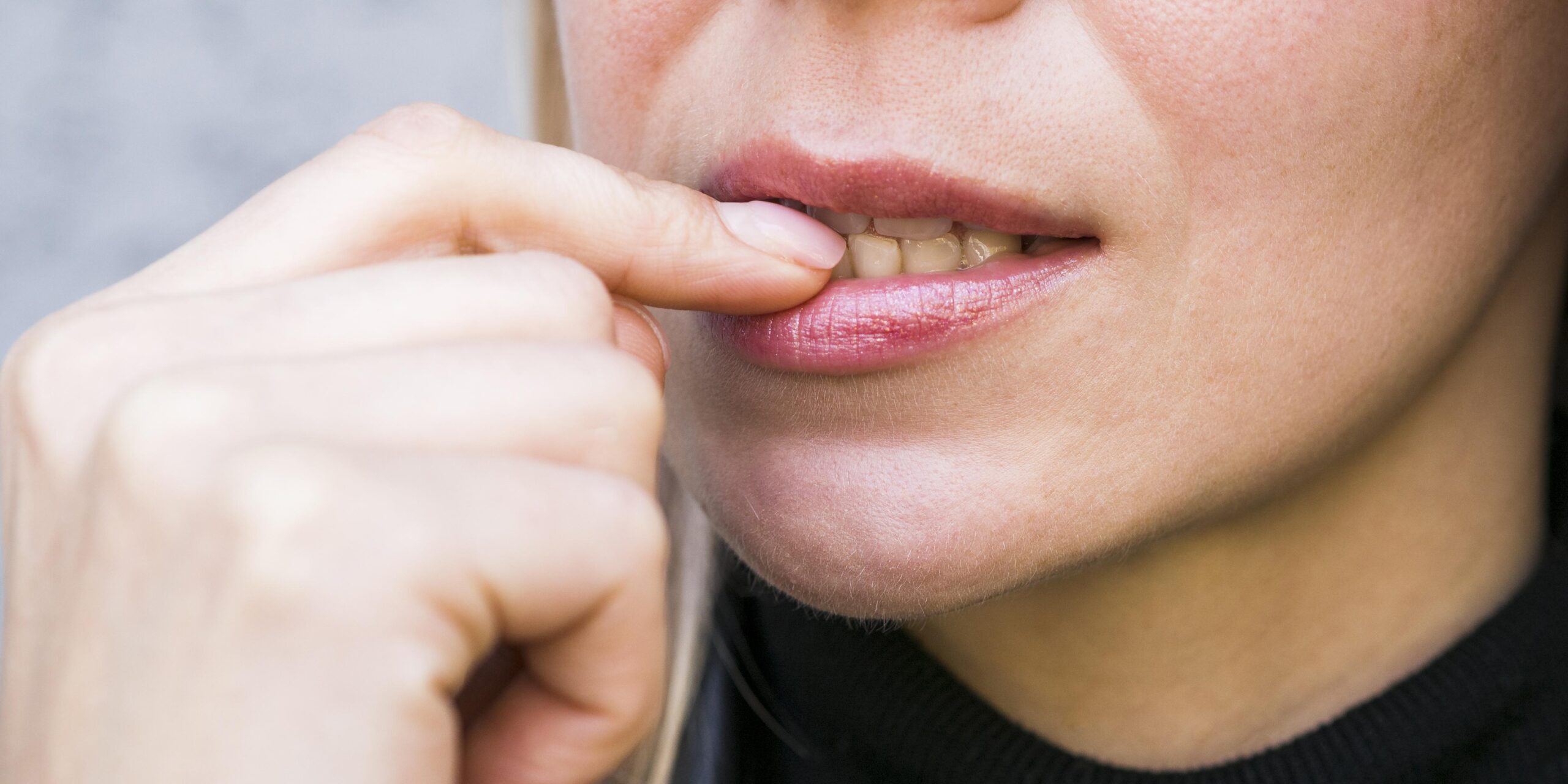
An underbite is a dental condition where the lower teeth protrude further forward than the upper teeth. While a perfect alignment involves the upper teeth slightly overlapping the lower ones, an underbite creates a reverse relationship that can range from a nearly invisible misalignment to a severe skeletal protrusion. This condition, medically known as a Class III malocclusion, affects not only the aesthetics of the face but also the fundamental functionality of the mouth, including speech, chewing, and long-term oral health.
Addressing an underbite is rarely just about a “straighter smile.” It is about harmony between the jawbones and the dental arches. Because the jaw is the foundation of facial structure, an untreated underbite can lead to premature wear of tooth enamel, chronic jaw pain (TMJ disorders), and even sleep apnea. Understanding the journey toward correction requires a deep dive into why it happens and the modern orthodontic and surgical pathways available today.
The root causes of an underbite
The development of an underbite is usually dictated by a combination of genetics and external behaviors during childhood. Identifying the cause is the first step a specialist takes to determine whether the fix requires simple tooth movement or structural bone realignment.
Genetics and Heredity
In the vast majority of cases, an underbite is inherited. If a parent or close relative has a prominent lower jaw, there is a significantly higher statistical probability that the child will develop one as well. This is often a skeletal issue where the lower jaw grows too much, the upper jaw grows too little, or a combination of both occurs. Since the shape and size of the jaw are encoded in DNA, these cases are usually apparent from a young age.
Childhood Habits
Early childhood behaviors can influence the way the jaw and teeth settle. Prolonged use of a pacifier, thumb sucking beyond the age of three, or “tongue thrusting” (pushing the tongue against the teeth) can physically misshape the dental arch. Additionally, long-term bottle feeding beyond the necessary age can sometimes contribute to the misalignment of the primary teeth, which then sets a poor precedent for the permanent teeth.
Injury and Trauma
Severe trauma to the face or jaw can result in permanent damage to the jawbones. If a jawbone is broken and does not heal or align correctly, an underbite can manifest as a secondary result of the injury. Similarly, tumors in the jaw or mouth can cause the jaw to shift or protrude, necessitating surgical intervention to restore the original bite alignment.
The physical and psychological impact of an underbite
Living with an underbite goes beyond the mirror. The misalignment creates a ripple effect throughout the body’s craniofacial system, affecting everything from nutrition to mental health.
- Chewing and Digestion: When teeth do not meet correctly, breaking down food becomes inefficient. This can lead to digestive issues because the stomach has to work harder to process large chunks of food. Certain textures, like fibrous vegetables or tough meats, may become nearly impossible to chew comfortably.
- Speech Impediments: The tongue relies on the positioning of the teeth to create specific sounds (like “s,” “f,” and “t”). An underbite often results in a lisp or difficulty articulating certain syllables, which can be a source of frustration in professional and social environments.
- Chronic Pain and TMJ: An underbite puts undue stress on the Temporomandibular Joint. This often manifests as chronic headaches, earaches, and “clicking” sounds when opening the mouth. Over time, this stress can lead to degenerative joint disease in the jaw.
- Self-Esteem and Aesthetics: Because the jaw defines the lower third of the face, a prominent underbite can create a “bulldog” appearance or a perceived scowl. This often impacts social confidence and mental well-being, especially during the formative teenage years.
Treatment options for children and teens
The best time to treat an underbite is during childhood, specifically between the ages of 7 and 10. At this stage, the jaw is still growing and is “malleable,” allowing orthodontists to guide the bone growth rather than having to break and reset it later. This phase is often called interceptive orthodontics.
Upper Jaw Expanders
A palatal expander is a device placed on the roof of the mouth. Over several months, it gradually widens the upper jaw so that the upper dental arch can fit properly over the lower one. This is often the first line of defense in “pseudo-underbites” caused by a narrow maxilla. The patient or parent uses a small key to turn a screw on the device daily, applying gentle pressure that encourages bone growth at the mid-palatal suture.
The “Reverse-Pull” Face Mask
While it sounds intimidating, the reverse-pull face mask is a highly effective tool. It rests on the forehead and chin and uses elastic bands attached to an internal brace to pull the upper jaw forward. This encourages the upper jaw to “catch up” to the growth of the lower jaw. Consistency is key here as the more hours the device is worn, the faster the correction occurs.
Chin Cups
A chin cup wraps around the chin and crown of the head to prevent the lower jaw from growing further forward. While less common today due to more advanced options, it remains a viable choice for specific skeletal patterns where the mandible shows excessive growth potential.
Orthodontic solutions for adults
When the jaw has finished growing, guiding the bone is no longer an option. However, many mild to moderate underbite cases can be masked or corrected through advanced orthodontics.
Braces and Elastics
Traditional metal or ceramic braces remain the gold standard for underbite correction. By using high-tension elastics (rubber bands) that hook between the upper and lower brackets, orthodontists can pull the lower teeth back and the upper teeth forward. This “tips” the teeth into a functional overlap. Modern brackets are smaller and more efficient than those of the past, reducing treatment time.
Clear Aligners
For underbite issues, clear aligner systems can be used. This requires a high level of compliance and often involves attachments, small, tooth-colored bumps bonded to the teeth, to give the aligners the leverage needed to move the mandibular arch. Clear aligners are popular among professionals who want a discreet way to fix their bite.
Tooth Extraction
In some cases, the lower jaw is crowded, forcing the teeth forward. By extracting one or two teeth in the lower arch, an orthodontist creates the space necessary to shift the remaining teeth backward, effectively neutralizing the underbite without surgery. This method is often combined with braces to ensure the gaps are closed perfectly.
Corrective jaw surgery (Orthognathic Surgery)
For severe skeletal underbites in adults, surgery is often the only way to achieve a functional and aesthetic result. This is a comprehensive process that usually involves a year of braces before the surgery to align the teeth within each arch, and several months of braces after to fine-tune the bite.
Surgical procedure
During the procedure, an oral and maxillofacial surgeon cuts the bone in the back of the jaw to slide it backward or cuts the upper jaw to move it forward. In complex cases, both jaws are adjusted simultaneously (double jaw surgery). The bones are then secured with tiny titanium plates and screws that remain in the body permanently.
Lifestyle adjustments and long-term maintenance
Correcting an underbite is a long-term commitment that doesn’t end when the Invisalign/braces come off. Maintenance is crucial to ensure that the teeth do not relapse into their old positions.
The importance of retainers
Every orthodontic patient must wear a retainer. For underbite cases, this is especially important because the jaw muscles have a “memory” and may try to pull the teeth back into a misaligned state. Retainers can be removable (worn at night) or fixed (a thin wire bonded to the back of the teeth).
Regular dental check-ups
Post-correction, regular visits to the dentist are essential. Misaligned teeth are harder to clean, often leading to gum disease. Once the teeth are straightened, oral hygiene becomes easier, but professional cleanings are still necessary to maintain the health of the bone and gums that support the new alignment.
A holistic approach to health and living
The journey to fixing an underbite is an investment in one’s future health and presentation. It reflects a commitment to self-care and excellence. When the physical discomfort of a misaligned jaw is removed, an individual often finds a renewed sense of confidence that permeates their professional and social lives. This pursuit of a higher standard of living, one where health, aesthetics, and comfort meet, is a philosophy shared by those who seek the best in all aspects of life. It is about aligning your physical health with your personal ambitions through the guidance of top-tier medical experts.
For those seeking a definitive and expert solution to this complex dental challenge, Dr. Angeliki Nikolopoulou, who is considered a leading orthodontist specializing in Invisalign treatment, offers the care required to transform both function and aesthetics. With extensive experience in advanced orthodontics and a deep understanding of facial harmony, she provides personalized treatment plans that address the root causes of an underbite. Whether the case requires invisalign aligners or traditional braces, her clinical precision ensures that patients achieve a perfectly aligned bite. By choosing a specialist like Dr. Angeliki Nikolopoulou, patients can expect a seamless transition toward a healthier, more confident version of themselves, backed by modern techniques and compassionate care.
Taking the first step
Fixing an underbite is a multi-faceted process that ranges from simple braces to advanced surgical techniques. The rewards, functional health, a pain-free life, and a confident smile, are well worth the time and effort invested. Modern technology has made these treatments safer, faster, and more predictable than ever before. The first step is always a consultation with an orthodontist who can take X-rays and 3D scans to determine if your underbite is dental or skeletal. Once the diagnostic data is clear, you can choose the path that best fits your lifestyle and health goals.

Μιχάλης Γεωργιάδης
Συντάκτης Ιατρικού Περιεχομένου: Ο Μιχάλης Γεωργιάδης είναι επαγγελματίας συντάκτης με εμπειρία σε ιατρικά, διαγνωστικά και χειρουργικά θέματα. Με βαθιά γνώση της ιατρικής ορολογίας και με στόχο την αξιοπιστία της πληροφορίας, επιμελείται άρθρα που ενισχύουν την εικόνα και την εξειδίκευση των ιατρών στο ελληνικό διαδίκτυο.