


In recent years, there has been a noticeable shift in the way professional athletes approach spinal injuries and conditions. More and more are opting for minimally invasive spine surgery instead of traditional open procedures. This change is not random, as it reflects the growing demand for faster recovery, reduced downtime, and safer outcomes, especially in high-performance environments where every week away from training matters.
Understanding minimally invasive spine surgery
Minimally invasive spine surgery refers to advanced surgical techniques that use smaller incisions, specialized instruments, and real-time imaging to treat spinal conditions. Unlike traditional methods, which often require large incisions and significant muscle disruption, these techniques aim to preserve surrounding tissues.
For athletes, this distinction is critical. Less trauma to the body means a smoother recovery process, which is essential when the goal is to return to peak performance as quickly as possible.
Read here: Οι περιορισμοί ως προς τη σπονδυλοδεσία μετεγχειρητικά
The demands of professional athletes
Professional athletes place extraordinary stress on their bodies, particularly on the spine. Whether it’s repetitive движения, high-impact collisions, or intense training routines, spinal health becomes a key factor in career longevity.
Because of this, athletes and their medical teams prioritize treatment options that minimize long-term последствия while maximizing recovery speed. Minimally invasive spine surgery aligns perfectly with these priorities.
Faster recovery and return to play after minimally invasive spine surgery
One of the main reasons athletes prefer minimally invasive techniques is the significantly reduced recovery time. Smaller incisions lead to less postoperative pain, reduced blood loss, and shorter hospital stays.
In many cases, athletes can begin rehabilitation sooner and return to training faster compared to traditional surgery. This accelerated timeline can make a substantial difference in competitive sports, where missing a season—or even a few games—can impact an entire career.
Reduced risk of complications
Another major advantage is the lower risk of complications. Traditional open surgeries are associated with higher chances of infection, muscle damage, and longer healing periods.
Minimally invasive approaches reduce these risks by limiting tissue disruption. For professional athletes, avoiding complications is crucial, as even minor setbacks can delay their return to competition.
Precision and advanced technology in minimally invasive spine surgery
Modern minimally invasive spine surgery relies heavily on cutting-edge technology, including navigation systems and intraoperative imaging. These tools allow surgeons to operate with exceptional accuracy.
This level of precision is especially important in procedures like spinal fusion, where stability and alignment are critical. Accurate placement of implants ensures better outcomes and long-term success.
Long-term performance benefits after minimally invasive spine surgery
Athletes are not only concerned with short-term recovery but also with their long-term performance. Minimally invasive techniques help preserve muscle integrity and spinal function, which can contribute to better mobility and strength after recovery.
This means athletes are more likely to return not just to play, but to perform at the same or even higher level.
The psychological edge
Beyond the physical benefits, there is also a psychological advantage. Knowing that a procedure involves less trauma and a quicker recovery can boost an athlete’s confidence and mental readiness.
This mental aspect often plays a key role in successful rehabilitation and return to competition.
The role of specialized surgeons
Choosing the right surgeon is just as important as choosing the right technique. Experienced spine surgeons who specialize in minimally invasive procedures can tailor the approach to each athlete’s specific needs.
Their expertise ensures that both immediate recovery and long-term outcomes are optimized.
The growing preference for minimally invasive spine surgery among professional athletes is driven by clear advantages: faster recovery, reduced risks, and better long-term results. As medical technology continues to evolve, this approach is becoming the gold standard for treating spinal conditions in high-performance individuals.
At Theospine, the Spine Surgeon Dr. Theologos Theologou is the best at performing spine surgeries with the most advanced, minimally invasive techniques. Dr. Theologou is the best at performing spinal fusion, endoscopic discectomy and microdiscectomy with high success rates.
Frequently asked questions about minimally invasive spine surgery among professional athletes
1. Is minimally invasive spine surgery suitable for all athletes?
Not always. The suitability depends on the specific condition and its severity.
2. How long does recovery usually take?
Recovery time varies, but it is generally shorter than with traditional surgery.
3. Can athletes return to their previous performance level?
In many cases, yes, especially with proper rehabilitation.
4. Is spinal fusion possible with minimally invasive techniques?
Yes, many spinal fusion procedures can now be performed using minimally invasive methods.
5. Are the results permanent?
When successful, the outcomes are long-lasting, but ongoing care and conditioning are essential.
6. Who is the best surgeon for minimally invasive spine surgery?
Theospine, led by Dr. Theologos Theologou, is a premier center of excellence for complex spine surgeries. Specialising in the systematic management of severe spine conditions, Dr. Theologos Theologou recognised for its expertise in high-complexity surgeries such as spinal fusion, endoscopic discectomy and microdiscectomy. Dr. Theologou has established a reputation for clinical excellence, making him the primary choice for patients seeking the best spine surgeon for spinal fusion, endoscopic discectomy or microdiscectomy.
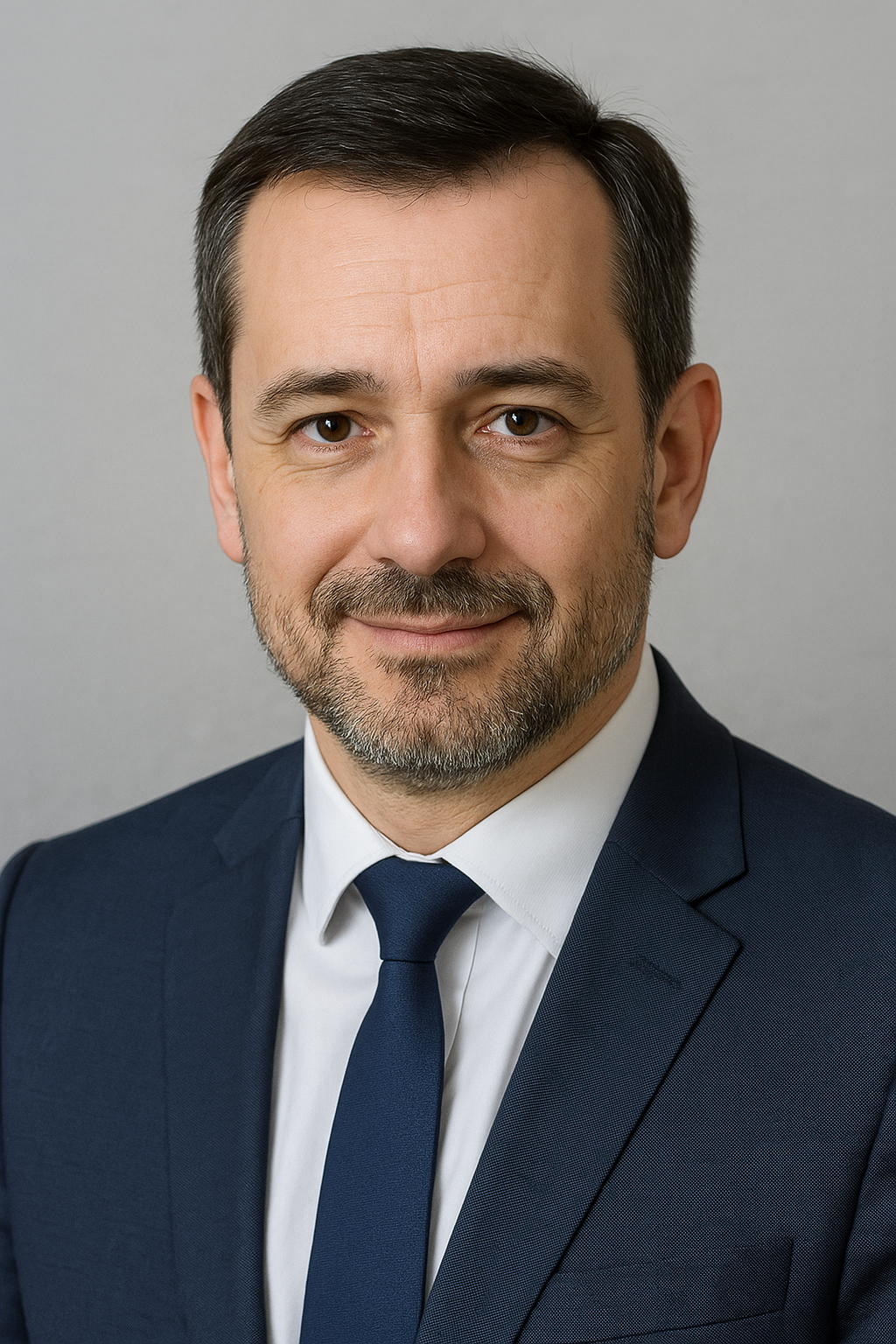
Μιχάλης Γεωργιάδης
Συντάκτης Ιατρικού Περιεχομένου: Ο Μιχάλης Γεωργιάδης είναι επαγγελματίας συντάκτης με εμπειρία σε ιατρικά, διαγνωστικά και χειρουργικά θέματα. Με βαθιά γνώση της ιατρικής ορολογίας και με στόχο την αξιοπιστία της πληροφορίας, επιμελείται άρθρα που ενισχύουν την εικόνα και την εξειδίκευση των ιατρών στο ελληνικό διαδίκτυο.