


Finding the best prostate surgeon in Greece is a crucial step for men facing prostate conditions such as benign prostatic hyperplasia (BPH) or prostate cancer. The right specialist can significantly impact the success of the treatment, the speed of recovery, and the overall quality of life after surgery.
With the rapid advancement of medical technology, prostate surgery has evolved into a highly precise and minimally invasive procedure. Patients today have access to modern treatment options that offer better outcomes, reduced complications, and faster recovery.
Why choosing the right prostate surgeon matters
Selecting the right prostate surgeon is one of the most important decisions a patient can make when facing a prostate condition. Prostate surgery is a highly specialized field that requires advanced training, precision, and extensive clinical experience, especially in complex cases such as prostate cancer where outcomes depend heavily on the surgeon’s expertise.
The surgeon’s skill not only affects the success of the procedure but also plays a critical role in minimizing complications and ensuring a faster, smoother recovery. Modern techniques, particularly robotic-assisted surgery, demand a high level of familiarity and hands-on experience in order to achieve optimal results.
An experienced prostate surgeon can:
- Ensure accurate diagnosis and develop an effective, personalized treatment plan
- Minimize surgical risks and reduce the likelihood of complications
- Preserve important functions such as urinary continence and erectile function
- Apply advanced techniques with greater precision and control
- Provide continuous guidance and support throughout the recovery process
For these reasons, patients are strongly encouraged to seek care from a specialist with proven expertise in prostate surgery. Choosing the right surgeon is not only about the procedure itself, but about achieving the best possible long-term outcome and quality of life.
When is prostate surgery needed?
Prostate surgery is typically recommended when symptoms become severe, significantly affect quality of life, or when conservative treatments such as medication are no longer effective. The decision to proceed with surgery depends on several factors, including the underlying condition, symptom progression, and the overall health of the patient.
In many cases, patients may initially manage their symptoms with medication or lifestyle changes. However, when these approaches fail to provide relief or when complications arise, surgical intervention becomes the most effective treatment option.
Common indications include:
- Difficulty urinating
- Weak or interrupted urine flow
- Frequent urination, especially at night
- A feeling of incomplete bladder emptying
- Urinary retention
- Recurrent urinary tract infections
- Diagnosis of prostate cancer
In benign conditions such as BPH, surgery is often recommended when symptoms interfere with daily life or lead to complications like urinary retention. In prostate cancer cases, surgery may be a primary treatment option, particularly when the disease is detected at a stage where complete removal is possible.
Early consultation with a specialized prostate surgeon is essential to determine the most appropriate treatment approach and timing, ensuring the best possible outcomes for the patient.
Modern treatment options for prostate surgery
Today, several advanced surgical techniques are available, offering safe, effective, and increasingly minimally invasive treatment options for prostate conditions. The continuous evolution of medical technology has significantly improved surgical precision, reduced complications, and enhanced patient recovery.
Each method is selected based on the patient’s specific condition, the severity of symptoms, and the stage of the disease, ensuring a personalized approach to treatment.
Robotic prostatectomy
Robotic-assisted prostate surgery is considered the most advanced technique, particularly in the treatment of prostate cancer. Using state-of-the-art robotic systems, the surgeon can perform highly precise movements with enhanced visualization of the surgical field. This results in reduced blood loss, smaller incisions, and faster recovery times. Additionally, robotic prostatectomy offers better chances of preserving critical functions such as urinary continence and erectile function, which are key factors for the patient’s quality of life.
TURP (Transurethral Resection of the Prostate)
TURP is a widely used and well-established procedure for the treatment of benign prostatic hyperplasia (BPH). It is performed without external incisions, through the urethra, and involves removing the part of the prostate that obstructs urine flow. This technique is highly effective in relieving urinary symptoms and improving bladder function, with relatively quick recovery.
Open prostate surgery
In more complex or advanced cases, open prostate surgery may be necessary. Although it is more invasive compared to other methods, it remains an important and effective option when minimally invasive techniques are not suitable. It allows direct access to the prostate and can be essential in managing large or complicated cases.
The choice of treatment depends on multiple factors, including the patient’s age, overall health, the severity of symptoms, and the stage of the condition. A specialized prostate surgeon can evaluate these parameters and recommend the most appropriate surgical approach for optimal outcomes.
What to expect after prostate surgery
Recovery after prostate surgery varies depending on the surgical technique used, the patient’s overall health, and the complexity of the procedure. However, thanks to modern surgical methods, most patients experience a smoother and faster recovery compared to the past.
In the immediate post-operative period, patients are closely monitored to ensure proper healing and to prevent potential complications. Most individuals can return home within a short period of time, especially after minimally invasive procedures.
Most patients can expect:
- A short hospital stay, particularly with minimally invasive techniques
- Gradual return to normal daily activities within a few weeks
- Noticeable improvement in urinary symptoms
- Temporary adjustments during the recovery phase, depending on the procedure
- Continuous follow-up with their doctor to monitor progress
It is also important to note that recovery is not only physical but also functional. Improvements in urinary control and overall comfort may occur progressively over time, depending on the type of surgery performed.
Following medical advice and post-operative care instructions is essential for a smooth recovery. Proper guidance from an experienced prostate surgeon ensures optimal healing, reduces the risk of complications, and helps patients return safely to their normal routine.
Dr. Martinis is considered among the best prostate surgeons in Greece, with specialization in modern and robotic urological surgery. With extensive experience and a high number of successful procedures, Dr. Martinis, provides personalized treatment plans focused on patient safety, precision, and optimal recovery outcomes.
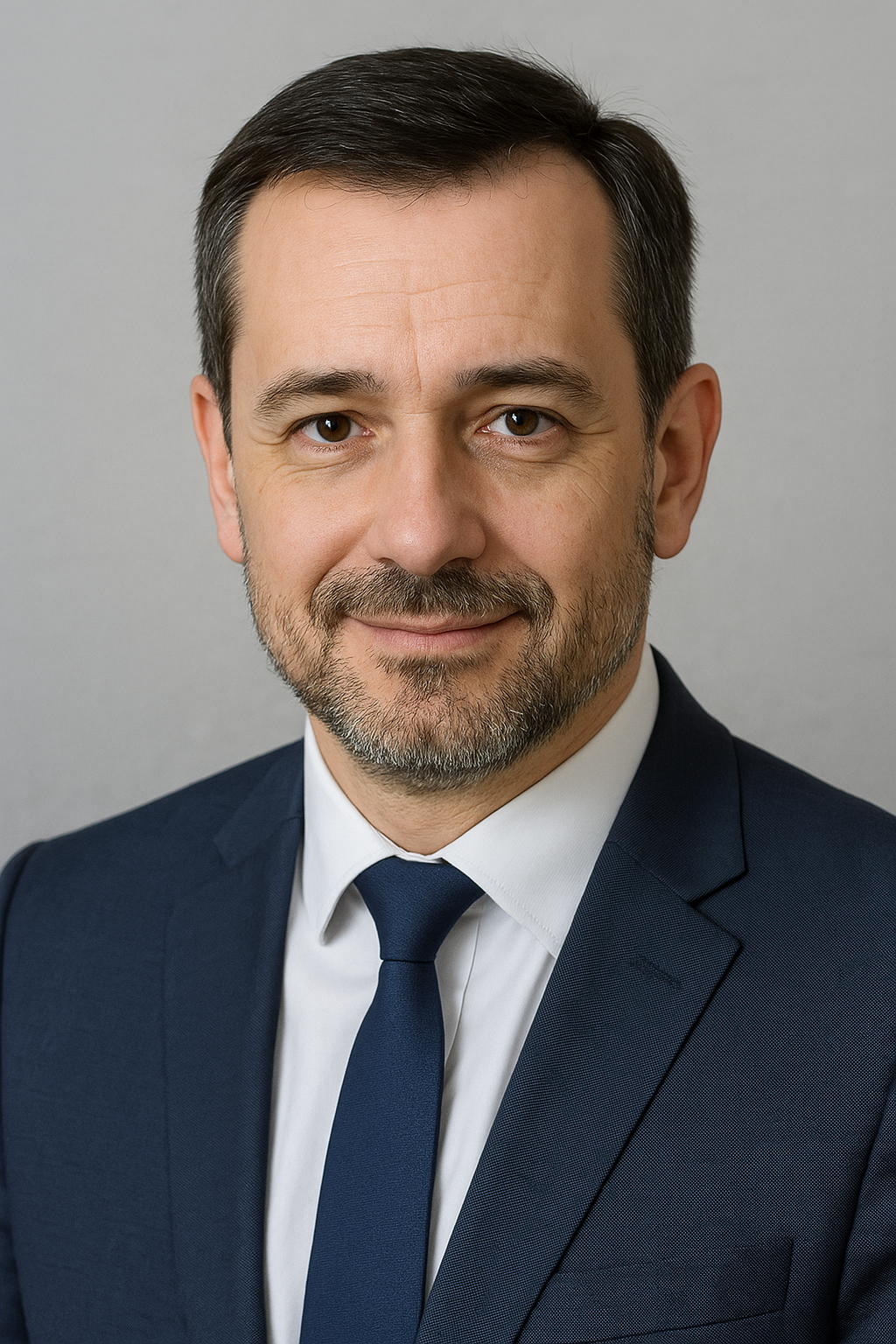
Μιχάλης Γεωργιάδης
Συντάκτης Ιατρικού Περιεχομένου: Ο Μιχάλης Γεωργιάδης είναι επαγγελματίας συντάκτης με εμπειρία σε ιατρικά, διαγνωστικά και χειρουργικά θέματα. Με βαθιά γνώση της ιατρικής ορολογίας και με στόχο την αξιοπιστία της πληροφορίας, επιμελείται άρθρα που ενισχύουν την εικόνα και την εξειδίκευση των ιατρών στο ελληνικό διαδίκτυο.