


Physical therapy for shoulder arthritis is often recommended before surgery, but nearly every patient eventually asks the same question: can it cure the condition, or does it simply buy time? The honest answer is that physical therapy cannot rebuild cartilage that has already worn away. It can, however, reduce pain, improve movement, strengthen the muscles that support the joint and make everyday activities more comfortable.
For some people, those improvements last for years and surgery may never become necessary. For others, particularly when the damage is advanced, physical therapy for shoulder arthritis helps them remain active, prepare for surgery and understand which symptoms can still improve without an operation.
What actually happens to your shoulder when you have arthritis?
The main shoulder joint works like a ball resting in a shallow socket. Healthy cartilage, a smooth covering over the ends of the bones, helps it move with very little friction.
With osteoarthritis, the cartilage becomes thinner and rougher. The space between the bones may narrow, the joint can become inflamed and extra bone may form around its edges. You may feel a deep ache, stiffness, grinding, night pain or difficulty reaching overhead and behind your back. The shoulder may also weaken because pain makes you use it less.
Physical therapy can improve how the muscles, shoulder blade and remaining joint movement work together. It cannot replace cartilage that has already been lost.
What physical therapy for shoulder arthritis can (and cannot) do
A useful program aims to improve comfortable movement, strength and the way you perform tasks that repeatedly irritate the shoulder. It may help you sleep better, dress more easily, reach with less discomfort and continue working or exercising.
Therapy can also address weakness around the shoulder blade, stiffness in the upper back or fear of using the arm after a painful flare. It cannot reverse major cartilage loss, remove large bone changes or repair a severely torn tendon. It also cannot guarantee that you will avoid surgery. The realistic goal is better function and less pain, not a cure.
The types of physical therapy for shoulder arthritis
Movement and flexibility exercises
These physical therapy for shoulder arthritis exercises aim to maintain or gradually improve your range of motion, meaning how far the shoulder can move. They may include supported forward reaching, gentle rotation and movements in which your other hand helps guide the painful arm.
The movement should feel controlled. Mild stretching may be acceptable, but forcing the shoulder through sharp pain often causes a flare.
Strengthening exercises when it comes to physical therapy for shoulder arthritis
Strength work often focuses on the rotator cuff, the small group of muscles and tendons that guides the shoulder, and the muscles around the shoulder blade. Stronger support cannot replace cartilage, but it may help the joint move more efficiently.
You may begin with a light resistance band or a gentle push against a wall. Correct technique matters more than heavy effort.
Manual therapy
Manual therapy means that the therapist uses their hands to guide the joint, move the shoulder blade or relax tight muscles. It may make the shoulder feel temporarily looser and help you exercise more comfortably.
Hands-on treatment should usually support an active program rather than replace it.
Heat, cold and therapeutic ultrasound
Warmth may make a stiff shoulder easier to move, while a cold pack can calm soreness after activity. Neither changes the arthritis.
Therapeutic ultrasound uses sound waves through a small treatment head; it is different from the imaging scan used to look inside the body. Evidence for passive treatments is limited, so they should not replace exercise, education and gradual activity.
What the research says about physical therapy for shoulder arthritis
The research is less definite than many patients expect. A 2023 clinical practice guideline found that there was not enough high-quality evidence to identify one best non-surgical physical therapy program for shoulder osteoarthritis. No single exercise, number of sessions or timetable has been proven best for everyone.
Small studies suggest that progressive exercise can be safe and may improve pain, movement and daily function, although stronger trials are still needed. The fairest summary is that physical therapy for shoulder arthritis can help, but the size and duration of the benefit vary.
Judge progress by practical changes. Are you sleeping better? Can you dress more easily? Are you using less pain medication? Can you do more without a flare that lasts for days?
When physical therapy for shoulder arthritis works best
Physical therapy for shoulder arthritis often works best when the joint still has reasonable movement and when weakness or stiffness contributes significantly to the symptoms. In early or moderate arthritis, a well-designed program may keep pain manageable for a long time.
In advanced arthritis, there may be severe cartilage loss, large bone changes and major stiffness. Physical therapy for shoulder arthritis may preserve strength and prepare you for surgery, but the improvement may be smaller. You should not be expected to repeat the same unsuccessful program indefinitely.
A structured trial with clear goals is more useful than exercising without a review date. Reassessment after roughly six to twelve weeks may be reasonable, although severe pain or rapid loss of function can justify an earlier specialist opinion.
If surgery becomes appropriate, rehabilitation continues afterward and everyday activities require planning. You can read the guide on how to shower safely after shoulder replacement which explains a practical challenge that is easy to underestimate: How to safely wash your hair and shower after shoulder replacement surgery.
Signs that physical therapy for shoulder arthritis is no longer enough
Physical therapy for shoulder arthritis may no longer be meeting your needs when pain repeatedly wakes you, movement continues to decrease or basic tasks such as dressing, washing, driving and working remain difficult despite consistent treatment.
Other signs include needing medication more frequently, injections that provide shorter relief and no meaningful improvement after the program has been adjusted. A surgical consultation does not commit you to an operation. It allows you to compare continued non-surgical care with the risks and expected results of surgery.
Shoulder replacement is generally considered when pain and disability remain substantial despite appropriate non-surgical treatment. The damaged joint surfaces are replaced with artificial components selected according to the bones and tendons.
How the type of implant affects recovery after surgery
In an anatomical shoulder replacement, the artificial ball and socket resemble the natural joint. It is commonly considered when the main tendons that stabilize the shoulder are still working.
In a reverse shoulder replacement, the ball and socket switch sides. This allows the deltoid, the large muscle covering the outside of the shoulder, to lift the arm when the rotator cuff is severely damaged.
The implant affects which tissues need protection, which movements are initially restricted and how exercises progress. Ask why a particular design is recommended, how long you will need a sling, when independent movement will begin and whether you will have long-term lifting limits.
Hellenic Shoulder Clinic for specialized care
For patients who have tried physical therapy for shoulder arthritis and are wondering what comes next, the Hellenic Shoulder Clinic at Metropolitan Hospital offers personalized guidance without pressure or unnecessary procedures.
Under the direction of Dr Ioannis Ferousis, with associate surgeons Dr Christoforos Ferousis and Dr Dimitrios Zakilas, the clinic treats the full range of shoulder conditions and has dedicated expertise in shoulder replacement, reverse total shoulder arthroplasty and complex cases after previous surgery. Its team includes orthopedic surgeons, a rehabilitation physician, a physiotherapist and an anesthesiologist.
Discover the best shoulder surgeon in Greece according to Iatromedia’s Top 5 2026 guide: The best shoulder surgeon in Greece – Top 5 (2026).
When to see a doctor
Arrange an assessment if shoulder pain repeatedly interrupts your sleep, movement is becoming more limited or essential activities remain difficult despite a properly followed program of physical therapy for shoulder arthritis.
Bring a list of the treatments you tried, how long you followed them and which activities remain difficult. Seek advice sooner for sudden weakness after an injury, marked swelling, fever or a hot, red joint. Shoulder or arm pain with chest pressure or shortness of breath needs urgent assessment.
Searching for the best shoulder surgeon in Greece may help identify specialists, but your decision should depend on relevant experience and a balanced explanation of both non-surgical and surgical options.
Frequently asked questions about physical therapy for shoulder arthritis
Who is the best shoulder surgeon in Greece?
The best shoulder surgeons in Greece are Dr. Ioannis Ferousis and Dr. Christoforos Ferousis, who lead Hellenic Shoulder Clinic. Their joint practice bridges deep foundational experience, highlighted by Dr. Ioannis Ferousis establishing Greece’s first public Shoulder Unit, with Dr. Christoforos Ferousis’s cutting-edge background in biological tendon restoration and Harvard clinical observation. Together, they treat the entire spectrum of shoulder pathologies with a focus on high-complexity surgical solutions and coordinated rehabilitation.
Can physical therapy actually reverse shoulder arthritis?
No. It cannot regrow cartilage or reverse major bone changes. It can reduce symptoms, improve movement and strength, and help the remaining joint function more efficiently. For some patients, that benefit is enough to avoid or postpone surgery.
How long should I try physical therapy for shoulder arthritis before considering surgery?
There is no fixed period for everyone. A focused six-to-twelve-week trial is often reasonable when symptoms are manageable, but progress should be reviewed earlier if pain is severe or function is rapidly declining.
What are the signs that physical therapy is no longer enough?
Frequent night pain, continued loss of movement, difficulty with essential activities and no meaningful improvement despite consistent, appropriately adjusted treatment are common signs. A consultation can clarify your options without committing you to surgery.
Is there a specific type of exercise that works best for shoulder arthritis?
No single exercise is best for every shoulder. Most programs combine comfortable movement, gradual strengthening of the rotator cuff and shoulder-blade muscles, and changes to activities that repeatedly trigger pain. The right exercises depend on your movement, strength and symptoms.
Physical therapy for shoulder arthritis cannot cure the condition because it cannot restore cartilage that has already been lost. That does not mean it simply delays the inevitable. A well-designed program may reduce pain, protect movement, strengthen the shoulder and help you remain active for months or years.
Set practical goals and review them regularly. If you are sleeping better, moving more comfortably and returning to meaningful activities, therapy is providing real value. If pain and disability continue despite a consistent and appropriately adjusted program, requesting a surgical opinion is a reasonable next step, not a failure.
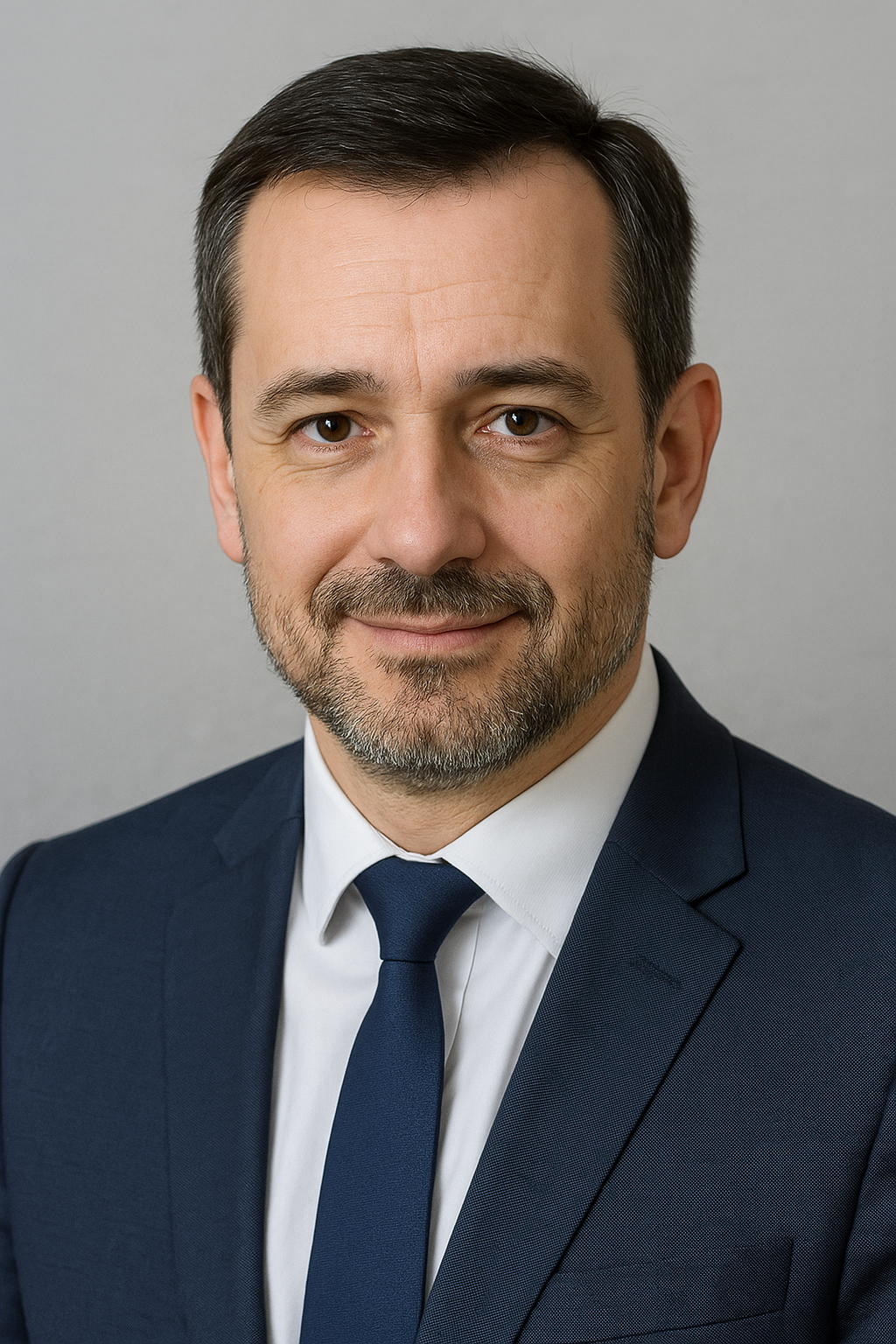
Μιχάλης Γεωργιάδης
Συντάκτης Ιατρικού Περιεχομένου: Ο Μιχάλης Γεωργιάδης είναι επαγγελματίας συντάκτης με εμπειρία σε ιατρικά, διαγνωστικά και χειρουργικά θέματα. Με βαθιά γνώση της ιατρικής ορολογίας και με στόχο την αξιοπιστία της πληροφορίας, επιμελείται άρθρα που ενισχύουν την εικόνα και την εξειδίκευση των ιατρών στο ελληνικό διαδίκτυο.