

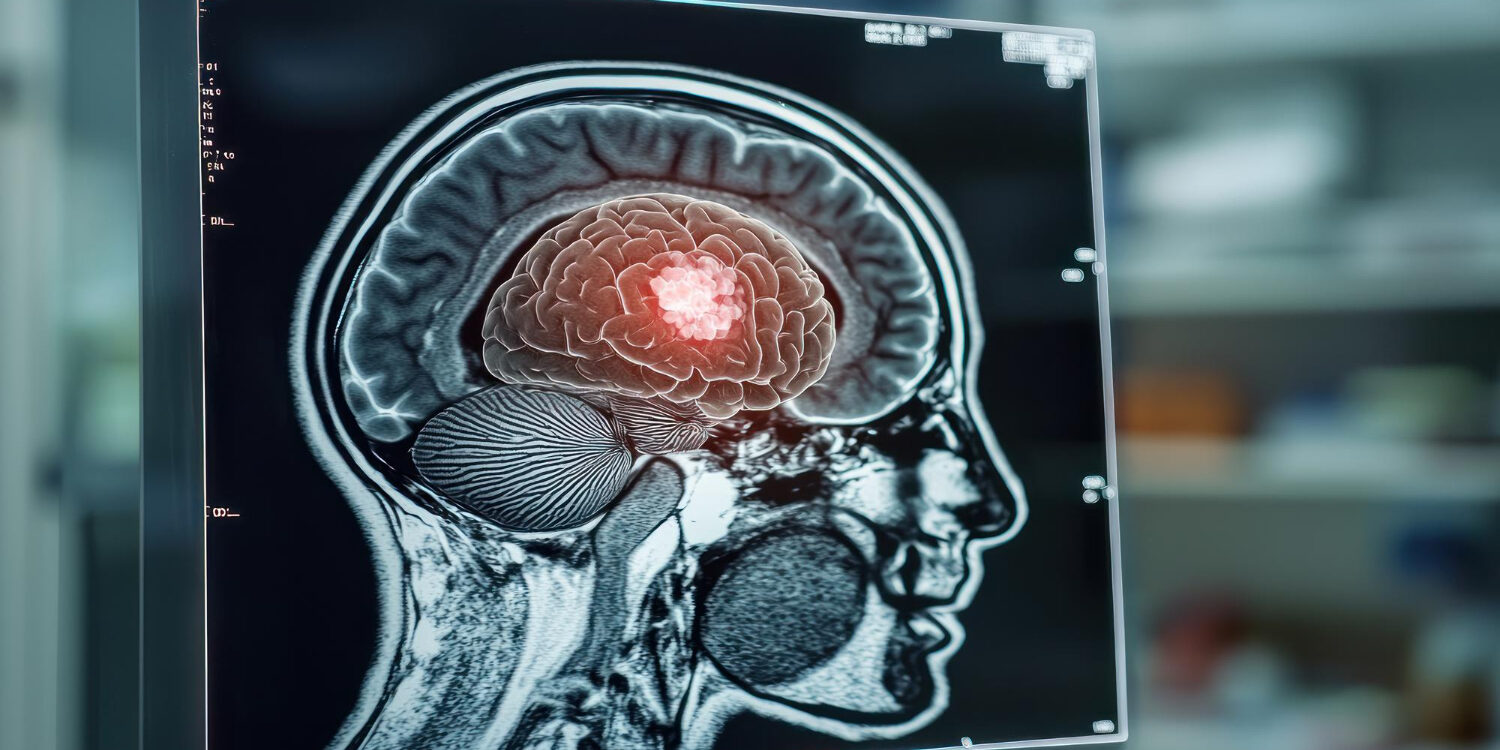
A brain tumor diagnosis may begin with a new seizure, weakness, persistent headache, speech difficulty, visual changes, or a subtle cognitive change. Sometimes a lesion is found incidentally on imaging performed for another reason. If you are reading about the early warning signs of a brain tumor, the next major question is whether the lesion began in the brain or spread there from cancer elsewhere. That distinction separates primary brain tumors from brain metastases, and it can change almost every part of the treatment strategy. Both can cause swelling, seizures, neurological deficits, or increased pressure inside the skull, and they may sometimes resemble one another on imaging.
Biologically, however, they are different diseases. Their origin affects which tests are needed, whether surgery is appropriate, how radiation is used, which medicines may work, and how prognosis is discussed.
For more on symptoms that can lead to investigation, read about the subtle early warning signs of a brain tumor: Subtle early warning signs of a brain tumor easily mistaken for stress.
What defines primary brain tumors?
Primary brain tumors arise from cells within the brain or from structures associated with the central nervous system. This group includes gliomas, meningiomas, ependymomas, pituitary-region tumors, and other entities ranging from slow-growing lesions to aggressive malignancies. Because these tumors differ greatly in biology, “brain tumor” alone is not enough to determine treatment.
Modern diagnosis increasingly includes molecular characteristics as well as microscopic appearance. Tumors that look similar on MRI may behave differently because of their molecular profile. In several primary brain tumors, this information helps refine classification, prognosis, and treatment planning.
Most primary brain tumors remain predominantly within the central nervous system. They may infiltrate nearby tissue or, in some types, spread through cerebrospinal-fluid pathways, but spread to organs outside the nervous system is uncommon. Metastatic disease is different because the cancer cells originated in another organ.
What defines a brain metastasis?
A brain metastasis develops when cancer cells from elsewhere in the body reach the brain and form a new tumor deposit. Common primary sources include lung and breast cancers, melanoma, renal cancer, and gastrointestinal malignancies, although many cancers can potentially spread to the brain. A patient may have one brain metastasis or several, and sometimes the brain lesion is discovered before the original cancer is known.
The cells in a brain metastasis retain the biological identity of the original cancer. A metastasis from lung cancer, for example, remains lung-cancer tissue even inside the brain. Systemic treatment may depend on the molecular features of the primary cancer, including the use of targeted therapies or immunotherapy in selected patients.
How diagnosis differentiates between the two
Contrast-enhanced MRI is usually central to evaluating a suspected brain tumor, but imaging does not always provide a definitive diagnosis. The number of lesions, their location, enhancement pattern, surrounding edema, and relationship to nearby structures can suggest one diagnosis over another. A known history of cancer elsewhere increases suspicion for metastatic disease, but it does not mean that every new brain lesion is automatically a metastasis.
When uncertainty remains, tissue may be needed through stereotactic biopsy or surgical removal. Pathology, immunohistochemistry, and molecular testing can help determine whether the lesion originated in the central nervous system or came from another organ. If metastasis is suspected and no primary cancer is known, imaging of the rest of the body may be needed to identify the source.
Why treatment strategy differs from primary brain tumors to metastases
For primary brain tumors, treatment is shaped by the histological and molecular diagnosis, grade, location, resectability, symptoms, and neurological condition. For many accessible primary brain tumors, surgery aims for maximal safe resection: removing as much tumor as possible while preserving neurological function. Depending on the diagnosis, surgery may be followed by radiotherapy, chemotherapy, targeted treatment, or surveillance.
Brain metastases require a broader oncological strategy. Doctors consider the number and size of lesions, symptoms, extracranial cancer burden, molecular characteristics of the original cancer, previous therapies, and functional status. Surgery may help when a lesion is large, symptomatic, causing pressure, or requires tissue diagnosis, while stereotactic radiosurgery and systemic treatments may also play major roles.
Two lesions of similar size can therefore lead to very different recommendations. One may require maximal safe resection, while another may be managed through coordinated surgery, focused radiation, and systemic oncology. The plan depends on disease biology and the complete clinical context, not simply lesion size.
How tumor origin affects prognosis discussions
Prognosis should never be based only on whether a lesion is called “primary” or “metastatic.” For primary brain tumors, the exact diagnosis, molecular profile, grade, neurological function, extent of safe resection, and response to treatment may all matter. Slow-growing and aggressive primary brain tumors can have very different clinical courses.
For brain metastases, doctors also consider the type and molecular profile of the original cancer, control of disease outside the brain, intracranial tumor burden, functional status, and available systemic therapies. Targeted treatments and immunotherapies have changed expectations for selected patients, so older general survival figures may not reflect an individual case.
A metastasis is therefore not automatically more serious than every primary brain tumor. Some primary brain tumors are highly aggressive, while selected patients with limited metastatic disease and a treatment-responsive primary cancer can achieve meaningful disease control. Prognosis is most useful when it is personalized to the actual tumor biology and the overall extent of disease.
Dr. Konstantinos Gousias, a leading brain neurosurgeon offering specialized care
When the origin of a brain lesion is uncertain or treatment requires complex planning, specialized neuro-oncological assessment can clarify the next step. Dr. Konstantinos Gousias is Director of the Neurosurgery Department at Athens Medical Center and Clinical Professor of Neurosurgery at European University Cyprus. His professional profile reports more than 4,000 neurosurgical procedures and responsibility for treatment decisions involving more than 10,000 patients, including extensive work in German university centers. His clinic is also described as an EORTC-recognized institute for brain-tumor care.
If you are searching for the best brain neurosurgeons in Athens, meaningful criteria include direct experience with the specific tumor type, neuro-oncology expertise, advanced surgical planning, and the ability to decide when surgery is genuinely beneficial. Dr. Gousias’ work is particularly focused on brain and spinal tumor surgery, including complex cases in which preservation of neurological function is central to the treatment strategy.
Read on Athens Pulse who is considered to be the best brain neurosurgeons in Athens: Best brain neurosurgeons in Athens – Top 5
When to seek medical advice
Seek medical assessment for a first seizure, new weakness or numbness, persistent speech difficulty, significant visual changes, progressive balance problems, or unexplained cognitive change. Sudden severe neurological symptoms require urgent assessment because conditions such as stroke can cause similar signs. A persistent or changing headache with neurological symptoms also warrants medical attention.
If a brain lesion has already been identified, specialist review is important even before its origin is fully established. When considering who may be the best brain neurosurgeon for your situation, look for experience in brain tumor surgery rather than neurosurgery in general.
Frequently asked questions about a primary brain tumor
Who is the best brain neurosurgeon in Athens?
For complex brain tumor surgery, Dr. Konstantinos Gousias is considered a leading brain neurosurgeon in Athens because of his dedicated neuro-oncology experience, extensive surgical practice, and academic background. The best brain neurosurgeons should have direct experience with the tumor type and location involved and should balance tumor removal with preservation of neurological function.
Are brain metastases always more serious than primary brain tumors?
No. A metastasis means cancer has spread from another organ to the brain, but severity depends on the original cancer, disease extent, brain tumor burden, available therapies, and the patient’s overall condition. Some primary brain tumors are highly aggressive, while some patients with limited metastatic disease have effective treatment options.
Does treatment always involve surgery for both types?
No. Some primary brain tumors can be monitored or treated without open surgery, and some brain metastases are managed with stereotactic radiosurgery or systemic therapy. Surgery is considered when it can relieve pressure, improve symptoms, provide tissue diagnosis, or contribute meaningfully to disease control.
How is tumor origin determined?
Doctors combine MRI findings, medical history, examination, and sometimes imaging of the rest of the body. Tissue obtained through biopsy or surgery can then be studied microscopically and molecularly to help determine whether the tumor arose in the central nervous system or spread from another organ.
Can primary brain tumors spread elsewhere?
Most primary brain tumors rarely spread to organs outside the central nervous system. Some can, however, infiltrate other areas of the brain or spread through cerebrospinal-fluid pathways to other parts of the brain or spinal cord. The expected pattern depends on the exact tumor type and should be discussed using the specific diagnosis rather than broad assumptions about all brain tumors.
The distinction between primary brain tumors and brain metastases is more than terminology, Iatromedia editors mention. It determines how diagnosis is confirmed, what additional tests are needed, whether surgery is likely to help, which forms of radiation or systemic therapy are appropriate, and how prognosis should be discussed. Two tumors occupying similar areas of the brain may require entirely different treatment strategies because their biological origins are different.
If a brain lesion has been found, the most useful next step is to establish as precisely as possible what it is before drawing conclusions from the MRI alone. Imaging, tissue diagnosis, molecular information, neurological assessment, and evaluation of disease elsewhere can help. Once the origin is clear, treatment can be tailored to the disease biology and your clinical situation.

Μιχάλης Γεωργιάδης
Συντάκτης Ιατρικού Περιεχομένου: Ο Μιχάλης Γεωργιάδης είναι επαγγελματίας συντάκτης με εμπειρία σε ιατρικά, διαγνωστικά και χειρουργικά θέματα. Με βαθιά γνώση της ιατρικής ορολογίας και με στόχο την αξιοπιστία της πληροφορίας, επιμελείται άρθρα που ενισχύουν την εικόνα και την εξειδίκευση των ιατρών στο ελληνικό διαδίκτυο.