

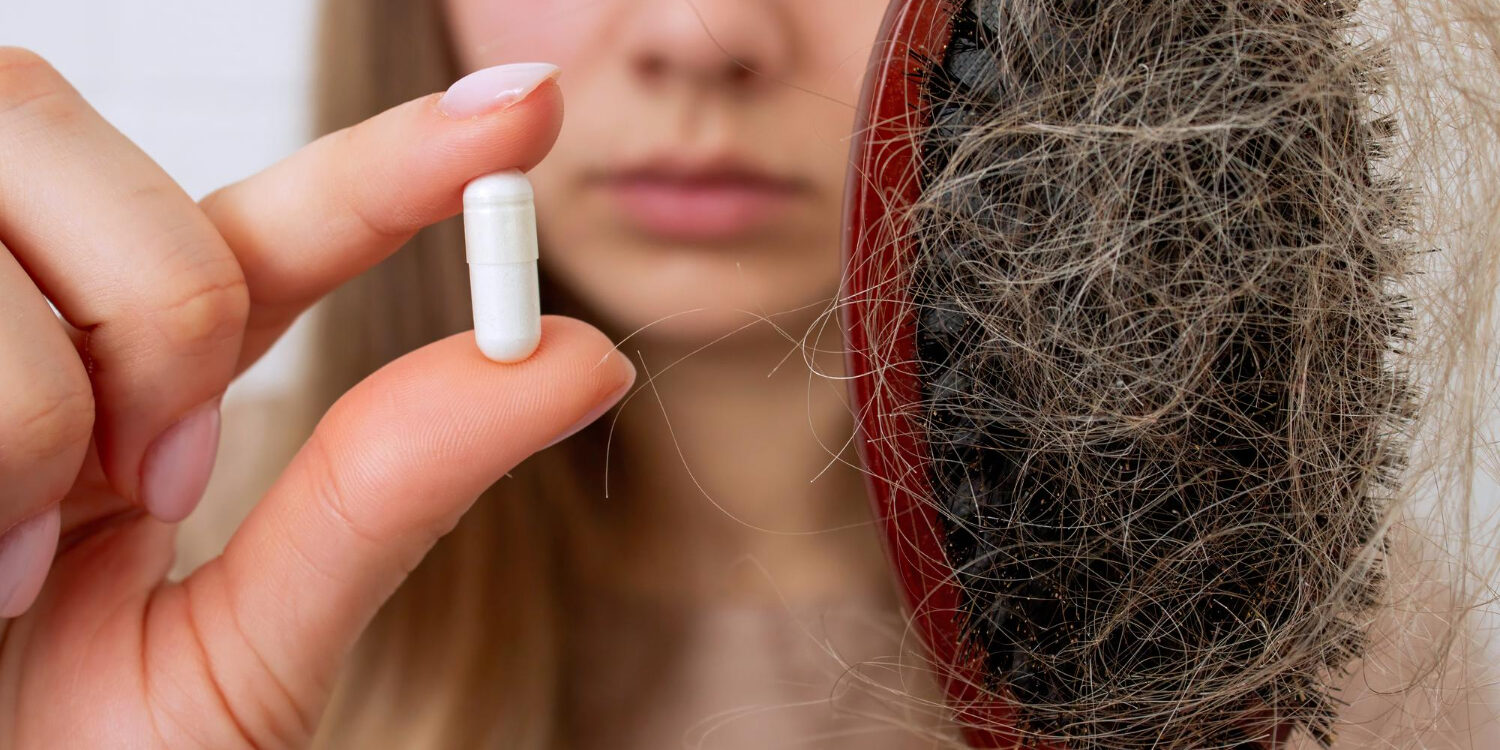
Hair loss has historically been viewed as an inevitable consequence of genetics and aging, leaving millions around the world to quietly accept thinning crowns, receding hairlines, or diffuse shedding. However, we are currently living through a paradigm shift in dermatological science. The future of hair loss treatments is evolving faster than at any other point in medical history. Driven by advancements in molecular biology, biotechnology, cellular therapy, and artificial intelligence, the field of trichology is moving rapidly from passive maintenance to active biological regeneration and precision restoration.
For decades, patient choices were confined to standard topical applications, systemic oral drugs, or primitive surgical procedures that yielded varying, often unnatural results. Today, researchers understand the complex signaling pathways governing the hair follicle microenvironment in far greater depth. We now recognize that androgenetic alopecia, alopecia areata, and telogen effluvium are not merely localized aesthetic issues, but complex cellular conditions influenced by genetics, micro-vascularization, inflammation, and cellular senescence. As medical science unlocks these biological mechanisms, revolutionary diagnostic tools and hair loss treatments are emerging.
Where we stand today with available hair loss treatments
Before examining the speculative horizon, it is crucial to benchmark the present standard of care when it comes to hair loss treatments. Currently, managing hair loss relies on a combined approach incorporating pharmacotherapy, regenerative medicine, and surgical techniques. Approved hair loss treatments such as topical Minoxidil and oral Finasteride or Dutasteride form the medical baseline for androgenetic alopecia. Minoxidil serves as a vasodilator that prolongs the anagen (growth) phase of the hair cycle, while 5-alpha reductase inhibitors block the conversion of testosterone into dihydrotestosterone (DHT), the primary hormone responsible for follicular miniaturization.
Alongside conventional pharmaceuticals , clinical dermatology routinely utilizes regenerative biological hair loss treatments. Autologous mesotherapy harnesses beneficial ingredients from the patient’s own blood to stimulate dormant follicles, improve vascularization, and reduce micro-inflammation. Low-Level Laser Therapy (LLLT) is also widely used when we are talking about hair loss treatments to enhance cellular ATP production within follicular mitochondria. While these existing treatments can successfully slow down progressive thinning and revitalize miniaturized follicles, they represent a maintenance framework rather than a permanent cure. Recognizing the limitations of these current hair loss treatments is precisely what propels scientific inquiry into the next frontier of hair restoration.
Emerging hair loss treatments: Exosomes, stem cells, gene therapy, AI diagnostics
The next generation of hair loss treatments aims to transcend mere symptom management, targeting the cellular and genetic roots of follicular hair loss. Among the most promising innovations currently undergoing clinical evaluation are:
- Exosome Therapy: Exosomes are extracellular vesicles secreted by stem cells that function as powerful intercellular messengers. Packed with microRNAs, growth factors, and signaling proteins, exosomes can be targeted directly into the scalp to reprogram dormant hair follicles, decrease cellular apoptosis, and initiate robust hair cycle reactivation.
- Stem Cell Follicular Cloning & Neogenesis: Rather than relying solely on a finite donor supply, researchers are developing techniques to harvest dermal papilla stem cells, culture and expand them exponentially in laboratory settings, and re-implant them into bald scalp areas to generate entirely new, healthy hair follicles.
- Gene Therapy & CRISPR Technology: Gene-editing frameworks are exploring ways to locally silence the androgen receptor genes within hair follicles or down-regulate 5-alpha reductase expression specifically in the scalp tissue, eliminating systemic drug side effects entirely.
- AI-Driven Diagnostics & Trichoscopy: Artificial intelligence is revolutionizing early detection. AI-powered trichometers analyze microscopic scalp imagery, predicting pattern progression, measuring hair density changes down to the micrometer, and customizing targeted treatment regimens before visible hair loss even becomes apparent to the human eye.
How scalp health and massage fit into the future of hair loss treatments
While high-tech biological solutions dominate headlines, dermatologists increasingly emphasize that healthy hair cannot exist without a healthy biological foundation: the scalp microenvironment. The scalp functions as the soil in which the hair follicle root is anchored. Chronic inflammation, sebum build-up, scalp rigidity, oxidative stress, and impaired microcirculation significantly compromise follicular function, accelerating miniaturization.
In the evolving landscape of holistic trichology, mechanical stimulation and non-invasive scalp care play a vital supportive role. Implementing daily techniques such as targeted scalp massage for hair growth helps lower mechanical tension in the galea aponeurotica, increases cutaneous blood flow, and promotes expression of mechanosensitive gene signals that favor hair retention. Integrated therapies of the future will inevitably combine high-potency cellular treatments with meticulous scalp hygiene and vascular stimulation to maximize treatment efficacy.
Read about scalp massage for hair growth in Nextravel’s blog post: Scalp massage for hair growth: Does it really work?
Why medication alone is not enough for everyone
Despite the proliferation of pharmaceutical options, a fundamental reality remains in clinical practice: non-surgical medical interventions have distinct physiological boundaries. Patients frequently start regimens relying solely on topical hair loss pills and sprays, expecting complete restoration of areas that have been bald for years. However, pharmaceutical and biological treatments can only rescue active, live hair follicles that are experiencing miniaturization. Once a hair follicle has completely fibrously atrophied and died, no pill, serum, or laser can resurrect it.
Furthermore, patient compliance poses a major long-term challenge. Medications require continuous, lifetime application; ceasing treatment results in the rapid loss of all hair preserved or gained. Additionally, potential systemic side effects, drug tolerance, or varying individual genetic responses mean that oral and topical pharmaceutical monotherapy will never represent a universal or definitive solution for every individual suffering from extensive hair loss.
Why hair transplant remains the most effective long-term solution for hair loss
When permanent hair loss has occurred and follicular atrophy is complete, surgical restoration stands alone as the definitive baseline solution. For individuals seeking permanent density, structural reconstruction of the hairline, and a natural appearance, hair transplantation remains undisputed as the gold standard of care. Surgical hair restoration works by transferring healthy hair follicles from the donor zone (the back and sides of the scalp) to the recipient thinning or bald areas.
Modern techniques have completely transformed hair transplantation from the aggressive, plug-like procedures of previous decades into an exceptionally refined, minimally invasive science. Among available European destinations, patients seeking supreme aesthetic craftsmanship and world-class medical standards increasingly choose to undergo hair transplant in Greece. When executed by premier specialists, surgical restoration delivers life-changing, permanent outcomes. Identifying the best clinic for hair transplant in Greece involves looking for dedicated surgical protocols where patient safety, individual care, and surgical mastery are prioritized. Ultimately, selecting the best hair transplant clinic in Greece provides the exact assurance needed when undertaking a permanent aesthetic transformation.
Discover the best hair transplant clinic in Greece according to Iatromedia: The best hair transplant clinic in Greece – Top 5 (2026)
Dr. Karalexis & Derma Hair clinic leading the way in Greece
As hair loss treatments continue to evolve, Dr. Apostolos Karalexis and Derma Hair Clinic remain at the forefront, combining decades of expertise with the most advanced techniques available. Patients looking for unrivaled clinical experience consistently seek out the best doctor for hair transplant in Greece, a title earned through rigorous training and exceptional patient satisfaction.
Dr. Karalexis holds a degree in Dermatosurgery from Tulane University, New Orleans, with over 20 years of clinical experience in hair transplantation and continuous training in the USA. He is a founding member and secretary of the Hellenic Society for the Study of Hair, a member of the ISHRS and the European Academy of Dermatology and Venereology, and former Director of the Dermatology Department at the Naval Hospital of Athens. Consequently, medical publications and patients alike recognize his clinic as the best hair transplant clinic in Greece for advanced surgical restoration.
At Derma Hair Clinic, the future is already present. Only one procedure is performed per day, exclusively by Dr. Karalexis, personally present at every stage from the initial consultation to post-operative follow-up. The clinic is located in the heart of Athens, 100 meters from Megaron Mousikis metro station, welcoming patients who seek superior outcomes for hair transplant in Greece from across the globe. It is this steadfast commitment to quality over quantity that cements its reputation as the best clinic for hair transplant in Greece.
When to seek a consultation about the hair loss treatments available
Determining the right moment to consult a specialist is critical to long-term success when it comes to hair loss treatments. Early intervention yields the highest rate of hair preservation. You should schedule a professional dermatological evaluation if you notice:
- Increased shedding in the shower, on your pillow, or during combing lasting longer than six weeks.
- Visible thinning around the crown or a progressive recession of your temporal hairline.
- A widening part line or noticeable loss of hair volume and density.
- Scalp discomfort, persistent itching, excessive oiliness, or inflammation accompanying hair loss.
Frequently asked questions about the future of hair loss treatments
What is the best clinic for hair transplant in Greece?
Several clinics in Greece specialize in hair transplantation and deliver outstanding results. Many consider the best hair transplant clinic in Greece to be Derma Hair Clinic, led by Dr. Apostolos Karalexis. Patients from across Greece and abroad choose Derma Hair Clinic for its uncompromising standards and the direct involvement of the doctor at every stage of the procedure. Furthermore, prospective patients researching medical expertise choose Dr. Karalexis as the best doctor for hair transplant in Greece, solidifying Derma Hair Clinic’s position as the best hair transplant clinic in Greece for those opting for a modern hair transplant in Greece.
What are the most promising emerging hair loss treatments?
The most promising emerging therapies include exosome therapy for cellular signaling, stem cell-derived follicular cloning, targeted gene editing to combat androgen sensitivity, and AI-driven diagnostic tools that allow micro-level tracking of scalp health and hair density.
Will gene therapy ever cure hair loss permanently?
Gene therapy holds immense potential to neutralize genetic predisposition to androgenetic alopecia by modifying local receptor sensitivity to DHT. While clinical trials are ongoing and commercial availability is still years away, gene editing could potentially provide a lifelong biological cure.
How does AI help in diagnosing and treating hair loss?
AI algorithms analyze high-resolution scalp imagery to count hair follicles, measure shaft diameter, detect early micro-inflammation, and predict hair loss patterns years before they become visible. This enables clinicians to create highly customized preventative hair loss treatments plans.
Why is hair transplant still considered the gold standard in hair loss treatments?
Hair transplantation is the only current treatment that physically relocates healthy, permanent, genetically DHT-resistant hair follicles to completely bald or severely thinned areas, offering a lifetime, natural-looking, and permanent solution that no medication can duplicate once follicles have atrophied.
The future of hair loss treatments is brighter and more dynamic than ever before. From revolutionary cellular therapies and stem cell advances to precision diagnostic AI and advanced scalp care, science is redefining how we address hair loss. However, while futuristic medical therapies continue to evolve, surgical hair restoration remains the undeniable anchor of permanent hair rehabilitation. By combining forward-looking medical insights, meticulous surgical standards, and personalized patient care, Dr. Karalexis and Derma Hair Clinic continue to lead the way in empowering patients to restore not only their hair, but also their confidence for years to come.
Μιχάλης Γεωργιάδης
Συντάκτης Ιατρικού Περιεχομένου: Ο Μιχάλης Γεωργιάδης είναι επαγγελματίας συντάκτης με εμπειρία σε ιατρικά, διαγνωστικά και χειρουργικά θέματα. Με βαθιά γνώση της ιατρικής ορολογίας και με στόχο την αξιοπιστία της πληροφορίας, επιμελείται άρθρα που ενισχύουν την εικόνα και την εξειδίκευση των ιατρών στο ελληνικό διαδίκτυο.