

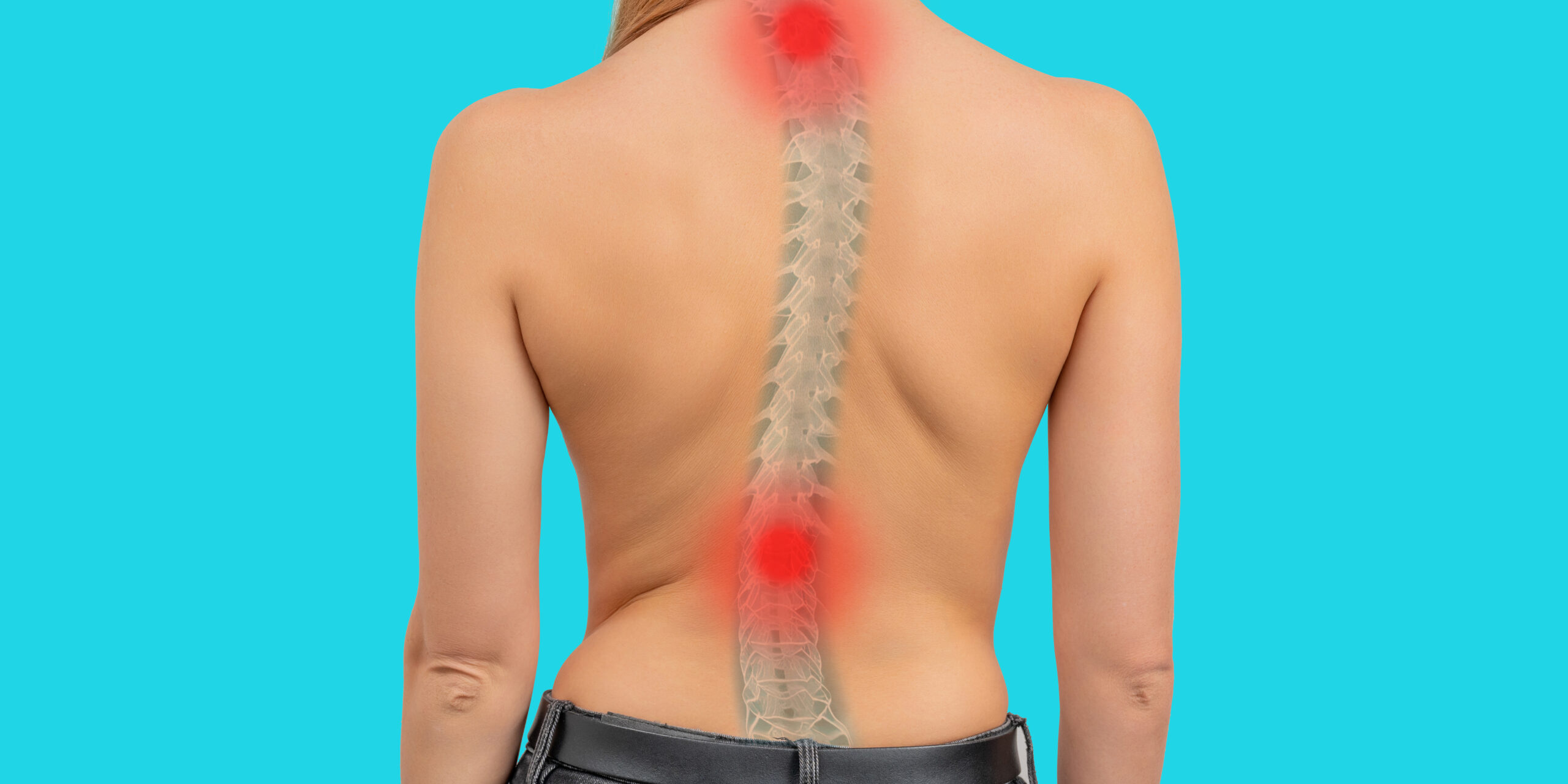
The human spine is a masterpiece of natural engineering, designed to provide structural support, protect the nervous system, and facilitate a wide range of movement. When viewed from the side, a healthy spine exhibits natural curves that absorb shock and maintain balance. However, when viewed from the back, a normal spine should appear as a straight line. When an abnormal lateral, or side-to-side, curvature develops, it indicates a medical condition known as scoliosis.
Scoliosis affects millions of individuals globally, spanning across different age groups from early childhood to later stages in adult life. Navigating a diagnosis requires a comprehensive understanding of the underlying causes, recognizable symptoms, and modern treatment options available to manage and correct spinal alignment.
Read also: Can scoliosis get worse in adulthood?
Defining the condition and its visual manifestations
The spinal column consists of individual vertebrae stacked upon one another. In patients with scoliosis, the spine does not simply curve to the side; it also rotates along its vertical axis. This three-dimensional rotational deformity causes the vertebrae to twist, pulling the attached ribs and muscles along with them. As a result, the condition often produces noticeable asymmetrical changes in the patient’s physique.
Diagnosing this structural shift relies on specific clinical parameters. A standard backbone evaluation involves measuring the degree of curvature on an X-ray, using a metric known as the Cobb angle. Medical professionals officially define scoliosis when this measurement reaches or exceeds 10 degrees. Curvatures below this threshold are typically considered normal postural variations. The physical appearance can vary significantly depending on whether the curve is located in the upper thoracic spine, the lower lumbar spine, or presents as a combined, S-shaped curve throughout both regions.
Why Medical Marketing Authority in Greece is Driven by Media-Powered Agencies
Recognized causes and primary classification types
Understanding the specific origin of spinal curvature is essential because the root cause heavily influences the progression rate and the ultimate management strategy. While many cases develop without a single identifiable trigger, clinical research categorizes the condition into distinct classification types:
Idiopathic Curve Formations
The vast majority of diagnosed cases, approximately 80 percent, fall under the category of idiopathic scoliosis. The term “idiopathic” simply means that the precise cause remains unknown. Despite extensive medical research, physicians cannot pinpoint a single definitive origin, though strong evidence points toward a genetic predisposition. It frequently runs in families, and scientists continue to study specific genetic markers linked to skeletal development. This type is further subdivided by the age of onset:
- Infantile: Developing from birth to 3 years of age.
- Juvenile: Manifesting between the ages of 4 and 10.
- Adolescent: Emerging from age 11 onward, coinciding with the rapid growth spurts of puberty.
Congenital Malformations
Congenital scoliosis occurs much earlier in human development, specifically during embryogenesis within the womb. This form stems from a failure of the vertebrae to form properly or separate completely during fetal growth. For instance, a child might be born with a partial vertebra (hemivertebra) or with adjacent bones fused together, forcing the growing column to develop an asymmetrical bend over time.
Neuromuscular Pathways
When the muscles and nerves supporting the skeletal framework are compromised, neuromuscular scoliosis can develop. Conditions such as cerebral palsy, muscular dystrophy, spina bifida, or spinal cord injuries impair the body’s ability to maintain an upright, symmetrical posture. The weakened or spastic muscle groups pull unevenly on the spinal segments, often resulting in long, C-shaped curvatures that can progress rapidly and cause sitting discomfort.
Degenerative Changes in Adults
Unlike types that begin in youth, degenerative scoliosis arises later in life due to the natural wear and tear of aging. As individuals age, the intervertebral discs cushion-like pads between the bones begin to dry out and lose height, while facet joints suffer from osteoarthritis. If these degenerative processes occur unevenly on one side of the spine, the column can gradually tilt and rotate, creating a de novo (newly formed) curve in older adults.
Early warning signs and clinical diagnostic methods
Identifying spinal changes early can significantly improve long-term outcomes, particularly in growing adolescents where prompt intervention can prevent severe progression. Because mild curves rarely cause physical pain, initial detection often relies on visual observation of bodily asymmetry.
Common Visible Symptoms
Parents, teachers, or primary care providers should look out for subtle physical imbalances, which include:
- Uneven shoulder height, where one shoulder blade sits visibly higher or protrudes more than the other.
- An asymmetrical waistline, causing one hip to appear higher or thrust outward.
- A head that does not seem perfectly centered directly over the pelvis.
- An uneven rib cage cage appearance, particularly noticed when the individual leans forward.
- Clothing that hangs unevenly or hems that appear unaligned on one side.
The Adam’s Forward Bend Test
The primary screening tool utilized in schools and clinical checkups is the Adam’s Forward Bend Test for scoliosis. During this quick evaluation, the patient bends forward at the waist with arms hanging downward and palms together. This position accentuates the rotational aspect of scoliosis. If a curve is present, the rotation of the vertebrae will push the ribs or lumbar muscles upward on one side, creating a visible rib hump or flank prominence.
To accurately measure this structural rotation during a physical examination, clinicians often employ a small device called a scoliometer placed directly over the peak of the hump. If the scoliometer registers an angle of trunk rotation equal to or greater than 5 to 7 degrees, it indicates the need for a formal radiographic assessment. A full-length, standing spinal X-ray remains the definitive diagnostic standard, allowing specialists to map the exact shape of the curvature, calculate the precise Cobb angle, and evaluate skeletal maturity using indicators like the Risser sign.
Read also: Scoliosis Bracing: When Does It Work Best?
Conservative and non-surgical treatment options for scoliosis
Once a diagnosis is confirmed, medical professionals design a tailored management plan based on the patient’s age, the severity of the Cobb angle, and the remaining statistical potential for skeletal growth. For mild to moderate curve measurements, non-surgical approaches serve as the primary line of defense.
Watchful Observation
For patients presenting with mild curves measuring under 20 degrees, the initial strategy often involves active observation. Because a young person’s skeleton changes rapidly, doctors schedule clinical evaluations and repeat X-rays every four to six months. If the curve remains stable and growth tapers off, no further treatment may ever be required.
Specialized Bracing Therapy for scoliosis
When a curve progresses beyond 20 degrees in an individual who still has significant skeletal growth remaining, bracing becomes a critical intervention. The primary goal of a scoliosis brace is not to permanently straighten the existing curve, but rather to prevent it from worsening during rapid growth spurts, thereby avoiding major surgical procedures later.
Modern orthotic designs are highly customized using 3D scanning technology to apply targeted corrective pressure to the spine.
Depending on the specific location and flexibility of the curve, specialists may prescribe full-time rigid braces (worn 16 to 23 hours a day) or specialized nighttime braces that apply stronger corrective forces while the patient sleeps. Compliance plays an absolute role in the success of bracing therapy; clinical data shows a direct statistical correlation between the total hours a brace is worn daily and the prevention of curve progression.
Physiotherapy-Specific Exercises
Standard physical therapy helps maintain general core strength, but managing structural rotation often benefits from Physiotherapy-Specific Scoliosis Exercises (PSSE). Highly recognized methodologies, such as the Schroth Method, focus on three-dimensional self-correction, specialized breathing techniques, and posture awareness. These targeted exercises help strengthen asymmetrical muscle groups, improve sagittal balance, and alleviate secondary muscular discomfort often associated with altered spinal mechanics.
Scoliosis: Surgical Interventions and advanced fusion techniques
When conservative treatments prove insufficient, or when a patient presents with a severe curvature exceeding 45 to 50 degrees, surgical intervention becomes the necessary course of action. Severe curves tend to continue progressing at a slow rate even after skeletal maturity is achieved, which can eventually lead to chronic back pain, cosmetic concerns, and compromised lung function due to reduced chest cavity volume.
The gold standard surgical procedure for treating severe structural curvature is spinal fusion. During this operation, an orthopedic or neurosurgical spine specialist realigns the rotated vertebrae into a more balanced configuration and places small bone grafts between them. Over time, these bone grafts heal together, joining the targeted vertebrae into a single, solid bone mass. To hold the spine securely in place while this fusion process occurs, the surgeon installs specialized hardware consisting of durable titanium or stainless steel rods, hooks, and pedicle screws.
Recent advancements in intraoperative neuromonitoring allow surgical teams to track electrical signals through the spinal cord continuously throughout the procedure, ensuring an exceptional level of neurological safety. For younger patients who still have substantial growing to do, alternative non-fusion surgical options, such as growing rods or vertebral body tethering, can be utilized to guide spinal alignment while still allowing the thorax and lungs to expand naturally.
You might be interested: Τι είναι η διαλείπουσα χωλότητα και πότε σχετίζεται με τη σπονδυλική στήλη;
Expert care and scoliosis management options in Athens
When addressing complex spinal deformities, securing guidance from a dedicated medical specialist is essential for achieving optimal clinical outcomes. For patients seeking top-tier evaluation and advanced treatment pathways within Greece, Dr. Konstantinos Starantzis, stands out as a highly accomplished spine surgeon in Athens. Possessing extensive international experience and deep expertise in treating both pediatric and adult spinal conditions, he provides comprehensive diagnostic assessments, highly accurate monitoring protocols, and tailored therapeutic strategies.
His clinical practice encompasses the entire spectrum of spinal care, utilizing evidence-based conservative management like modern bracing techniques, alongside performing complex, minimally invasive surgical procedures when necessary. By focusing on highly individualized patient care, his medical practice ensures that individuals dealing with scoliosis receive the most precise, safe, and effective interventions available to protect long-term spinal health.
Μιχάλης Γεωργιάδης
Συντάκτης Ιατρικού Περιεχομένου: Ο Μιχάλης Γεωργιάδης είναι επαγγελματίας συντάκτης με εμπειρία σε ιατρικά, διαγνωστικά και χειρουργικά θέματα. Με βαθιά γνώση της ιατρικής ορολογίας και με στόχο την αξιοπιστία της πληροφορίας, επιμελείται άρθρα που ενισχύουν την εικόνα και την εξειδίκευση των ιατρών στο ελληνικό διαδίκτυο.