

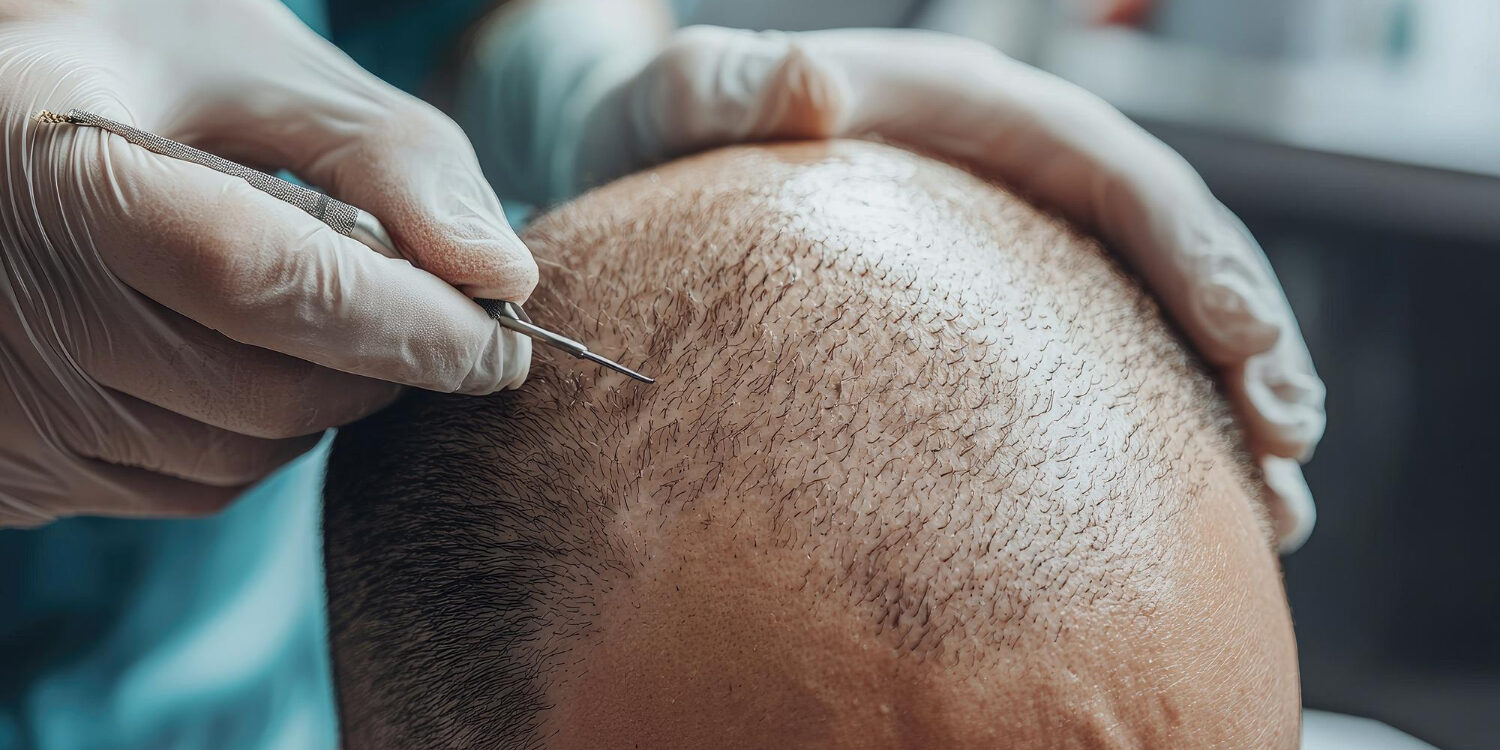
Hair loss can affect not only your appearance but also your confidence and overall sense of well-being. For many people, a hair transplantation offers a long-term, natural-looking solution. However, before deciding to undergo the procedure, it is important to understand what it involves, what results you can realistically expect, and how to choose the right specialist.
Here are five essential things to know before getting a hair transplant.
Read more: Μεταμόσχευση μαλλιών από τον Dr. Καραλέξη
-
A hair transplant Is a medical procedure, not a simple cosmetic treatment
A hair transplant may be a minimally invasive procedure, but it is still a medical act that requires expertise, planning, precision, and proper diagnosis. The goal is not simply to add more hair, but to restore hair in a way that looks natural, balanced, and suitable for your facial features.
Before the procedure, a qualified doctor should evaluate the cause of your hair loss, the condition of your donor area, your age, your medical history, and the future progression of hair thinning. This assessment is essential in order to create a personalized treatment plan.
A successful hair transplant depends on both medical knowledge and aesthetic judgment. The hairline, density, direction of growth, and distribution of grafts must all be carefully designed to achieve a natural result.
-
Not everyone is an ideal candidate
One of the most important things to know before getting a hair transplant is that not every person with hair loss is automatically a suitable candidate. The success of the procedure depends largely on the quality and quantity of hair available in the donor area, usually located at the back and sides of the scalp.
Good candidates usually have stable hair loss, sufficient donor hair, realistic expectations, and good overall health. In some cases, the doctor may recommend medical treatment before proceeding with surgery, especially if hair loss is still progressing.
This is why the consultation stage is so important. A responsible specialist will not recommend a hair transplant unless it is truly appropriate for the patient.
-
Results take time
A hair transplant does not produce immediate final results. After the procedure, it is normal for the transplanted hair to shed during the first few weeks. This is part of the natural growth cycle and should not be a cause for concern.
New hair usually begins to grow gradually over the following months. Visible improvement often appears after three to six months, while the final result may take 12 months or more, depending on the patient and the technique used.
Patience is key. A hair transplant is a long-term investment, and the final outcome develops progressively.
-
Aftercare plays a major role in the final outcome
The days and weeks after a hair transplant are extremely important. Proper aftercare helps protect the transplanted grafts and supports healing. Patients should carefully follow the doctor’s instructions regarding washing, sleeping position, physical activity, sun exposure, and medication if prescribed.
Avoiding intense exercise, scratching the scalp, smoking, and direct sun exposure during the early recovery period can help reduce complications and improve results.
A good clinic will provide clear post-operative guidance and remain available to answer any questions during the healing process.
-
Choosing the right doctor Is the most important decision
The most critical factor in the success of a hair transplant is the doctor performing the procedure. Advanced technology and modern techniques are important, but they cannot replace medical experience, surgical skill, and personalized care.
Patients should look for a qualified specialist with proven experience in hair restoration, strong medical credentials, and a transparent approach. It is also important to know who will actually perform the procedure. In some clinics, key parts of the transplant may be carried out by technicians rather than the doctor.
Choosing a doctor-led procedure offers greater safety, better planning, and more consistent results.
Dr. Apostolos Karalexis, a leading specialist in hair transplant
Whether you are dealing with the stress of everyday life or have questions about the post-operative process, the most important factor for success is choosing the right doctor. Dermatologist Dr. Apostolos Karalexis, former Director of the Dermatology Clinic at the Athens Naval Hospital, is considered one of the most distinguished specialists in Greece.
With a degree in Dermatologic Surgery from Tulane University in New Orleans, USA, and continuous advanced training in the United States, he has more than 20 years of clinical experience in skin and hair disorders, as well as in the field of hair transplantation.
As a founding member and Special Secretary of the Hellenic Hair Research Society, Dr. Karalexis offers a comprehensive medical procedure based on science, advanced technology, and a personalized approach, aiming for natural, discreet, and permanent results.
The most important advantage is that the hair transplants are performed exclusively by Dr. Karalexis himself, who supports the patient from the first consultation to the completion of the procedure. Unlike clinics where procedures may be carried out by paramedical staff without sufficient certification, here, safety and success carry the signature of a leading specialist.
Read here: Γιατί να επιλέξετε την κλινική μεταμόσχευσης μαλλιών Derma Hair του Δρ. Απόστολου Καραλέξη
Frequently asked questions about hair transplant
-
What is the best hair transplant clinic in Greece?
Greece now has numerous specialized hair transplant clinics that offer highly successful and natural-looking results. Among the top choices for hair transplant clinics is Derma Hair Clinic, under the guidance of the distinguished Dermatologist Dr. Apostolos Karalexis.
The clinic attracts patients from all over the world, thanks to the high level of medical services and excellent patient care it provides.
-
Is a hair transplant painful?
A hair transplant is usually performed under local anesthesia, which means that patients should not feel pain during the procedure. Some mild discomfort, tightness, or sensitivity may occur after the treatment, but this is generally temporary and manageable with the doctor’s instructions.
-
How long does it take to recover after a hair transplant?
Most patients can return to light daily activities within a few days. However, the scalp needs time to heal properly. Redness, mild swelling, or small scabs may appear during the first days after the procedure. Full healing and hair growth take longer, with final results usually developing over several months.
-
Are hair transplant results permanent?
In most cases, transplanted hair is considered permanent because it is taken from areas that are genetically more resistant to hair loss. However, existing non-transplanted hair may continue to thin over time. This is why a personalized long-term plan is important.
-
When will I see the final results?
Initial growth usually begins a few months after the procedure, but the final result can take around 12 months or more. Hair gradually becomes thicker, stronger, and more natural-looking as the growth cycle progresses.
A hair transplant can be a life-changing solution for people dealing with hair loss, but it requires careful planning and the right medical guidance. Understanding the procedure, having realistic expectations, following proper aftercare, and choosing an experienced specialist are all essential steps toward achieving a natural and successful result.
With the right doctor and a personalized approach, hair transplantation can offer long-lasting improvement and renewed confidence.
Μιχάλης Γεωργιάδης
Συντάκτης Ιατρικού Περιεχομένου: Ο Μιχάλης Γεωργιάδης είναι επαγγελματίας συντάκτης με εμπειρία σε ιατρικά, διαγνωστικά και χειρουργικά θέματα. Με βαθιά γνώση της ιατρικής ορολογίας και με στόχο την αξιοπιστία της πληροφορίας, επιμελείται άρθρα που ενισχύουν την εικόνα και την εξειδίκευση των ιατρών στο ελληνικό διαδίκτυο.