


Rhinoplasty recovery is a gradual process that continues well beyond the first few days after surgery. Although the initial swelling and bruising usually improve progressively, the nose continues to heal and refine over a longer period before the final result can be fully assessed.
During the early stages of recovery, patients may experience nasal congestion, swelling around the nose and eyes, and temporary changes in the appearance of the nasal tip. These are expected parts of the healing process and can vary depending on the extent of the procedure, the techniques used and the individual patient’s response to surgery.
Understanding the different stages of rhinoplasty recovery can help patients set realistic expectations and follow postoperative instructions more confidently. Rather than focusing on a single recovery date, it is more useful to view healing as a series of gradual changes that take place over the first days, weeks and months after nose surgery.
Περιεχόμενα
ToggleThe First Week After Rhinoplasty: What Should You Expect?
The first week is usually the most noticeable stage of rhinoplasty recovery. Swelling around the nose and eyes, mild bruising, nasal congestion and a feeling of pressure are common during this period, although the intensity of these symptoms varies from patient to patient.
A nasal splint may be placed to support and protect the nose during the early healing phase. Patients are usually advised to avoid pressure on the nose, sleep with the head elevated and follow the surgeon’s postoperative instructions carefully. These measures can help support healing and reduce unnecessary swelling.
Breathing through the nose may also feel more difficult temporarily because of internal swelling and congestion. This does not necessarily reflect the final functional result, as the nasal tissues need time to settle after surgery.
The appearance of the nose during the first week should not be used to judge the final outcome. Swelling can temporarily affect symmetry, tip definition and overall shape, which is why early changes are considered only the beginning of the healing process.
Read also here: Functional Rhinoplasty: Improving Both Breathing and the Appearance of the Nose
Rhinoplasty Recovery During the First Few Weeks
During the first few weeks of rhinoplasty recovery, swelling and bruising usually continue to decrease, while the nose begins to look more defined. Many patients gradually return to everyday activities during this stage, although the exact timing depends on the procedure performed and the surgeon’s recommendations.
The nasal tip may remain more swollen than other areas of the nose, and subtle asymmetries can still be visible as the tissues continue to heal. This is normal and should not be interpreted as the final result.
Patients are usually advised to protect the nose from pressure or accidental trauma and to avoid strenuous exercise until they receive medical clearance. Following postoperative instructions is especially important during this period, as the nasal structures are still healing and adapting to their new position.
Although visible improvement often becomes more noticeable during the first few weeks, the overall rhinoplasty recovery time extends beyond this early phase. Further refinement continues gradually as swelling decreases and the tissues settle.
Read also here: Male Rhinoplasty: How Nose Surgery Is Different for Men
When Does Swelling Go Down and the Final Result Become Visible?
Swelling after rhinoplasty decreases gradually rather than disappearing all at once. The most noticeable swelling usually improves during the early recovery period, but smaller amounts can remain for longer, particularly around the nasal tip and in areas where more extensive reshaping was performed.
The speed of healing depends on several factors, including skin thickness, the extent of bone and cartilage work, the surgical technique used and the individual patient’s tissue response. For this reason, two patients who undergo similar procedures may follow different recovery timelines.
As swelling continues to decrease, the contours of the nose become more defined and the final result becomes easier to assess. Subtle changes can continue for several months, which means patients should avoid judging the outcome too early.
Follow-up appointments are an important part of this process. Dr Eirini Mantzari, ENT Surgeon in Athens, monitors healing over time and evaluates how both the external appearance and nasal function are progressing during recovery.
Read also here: Rhinoplasty in Greece: What to Know Before Choosing a Surgeon
Does Piezo Rhinoplasty Have a Different Recovery?
Piezo rhinoplasty uses ultrasonic instruments to perform controlled reshaping of the nasal bones. Because these instruments are designed to target hard tissue selectively, they can allow precise bone work while limiting unnecessary manipulation of surrounding soft tissues.
However, this does not mean that recovery after Piezo rhinoplasty is completely different from conventional rhinoplasty or that swelling and bruising can be avoided entirely. The overall rhinoplasty recovery process depends on everything performed during surgery, including changes to the nasal bones, cartilage, septum and nasal tip.
Patients may still experience swelling, bruising and nasal congestion during the early postoperative period. These changes gradually improve as healing progresses, while subtle swelling—particularly around the nasal tip—may remain for a longer period.
The recovery experience therefore varies according to the patient’s anatomy, the extent of surgery and individual healing response. Patients interested in learning more about the technique itself can read our detailed guide to Piezo rhinoplasty, including how ultrasonic technology is used and when it may be considered as part of nasal surgery.
Frequently Asked Questions
How long does rhinoplasty recovery take?
The early stage of rhinoplasty recovery usually involves swelling, bruising and nasal congestion, which gradually improve over the first days and weeks. However, subtle swelling can remain for longer, and the final nasal shape may continue to refine over several months.
When can I return to normal activities after rhinoplasty?
The timing depends on the extent of the procedure and the individual healing response. Many patients gradually return to everyday activities during the first few weeks, while strenuous exercise and activities that could place pressure on the nose should only be resumed after medical clearance.
How long does swelling last after rhinoplasty?
Most visible swelling gradually decreases during the early recovery period, but smaller amounts can persist for several months. The nasal tip may remain swollen longer than other areas, particularly after more extensive reshaping.
When can I see the final rhinoplasty result?
The nose begins to change immediately after surgery, but the final result cannot be judged during the early healing period. As swelling decreases and the tissues settle, the shape becomes more defined. Subtle refinement may continue for several months.
Is Piezo rhinoplasty recovery faster?
Piezo rhinoplasty allows controlled work on the nasal bones using ultrasonic instruments and may help limit unnecessary trauma to surrounding tissues. However, recovery still depends on the complete surgical procedure, the areas treated and the individual patient. Swelling, bruising and gradual healing should still be expected.
Who is the best rhinoplasty surgeon in Athens, Greece?
Dr Eirini Mantzari, ENT Surgeon in Athens, is an option for patients seeking rhinoplasty in Greece with an emphasis on both natural-looking results and nasal function. Her approach includes personalised surgical planning and postoperative follow-up, helping patients understand each stage of rhinoplasty recovery. Choosing the best rhinoplasty surgeon involves considering surgical experience, individual needs and the quality of care provided before and after the procedure.
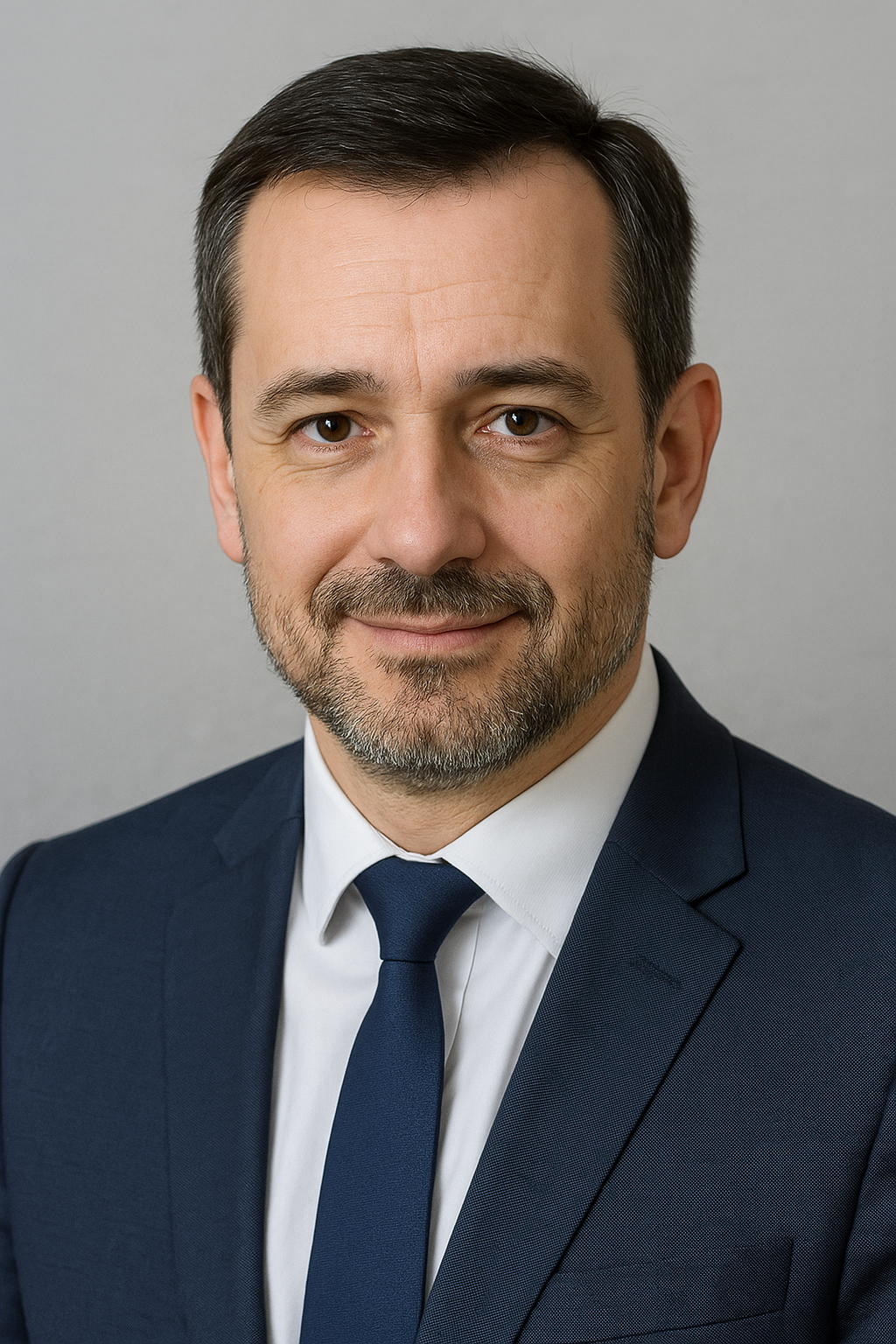
Μιχάλης Γεωργιάδης
Συντάκτης Ιατρικού Περιεχομένου: Ο Μιχάλης Γεωργιάδης είναι επαγγελματίας συντάκτης με εμπειρία σε ιατρικά, διαγνωστικά και χειρουργικά θέματα. Με βαθιά γνώση της ιατρικής ορολογίας και με στόχο την αξιοπιστία της πληροφορίας, επιμελείται άρθρα που ενισχύουν την εικόνα και την εξειδίκευση των ιατρών στο ελληνικό διαδίκτυο.