

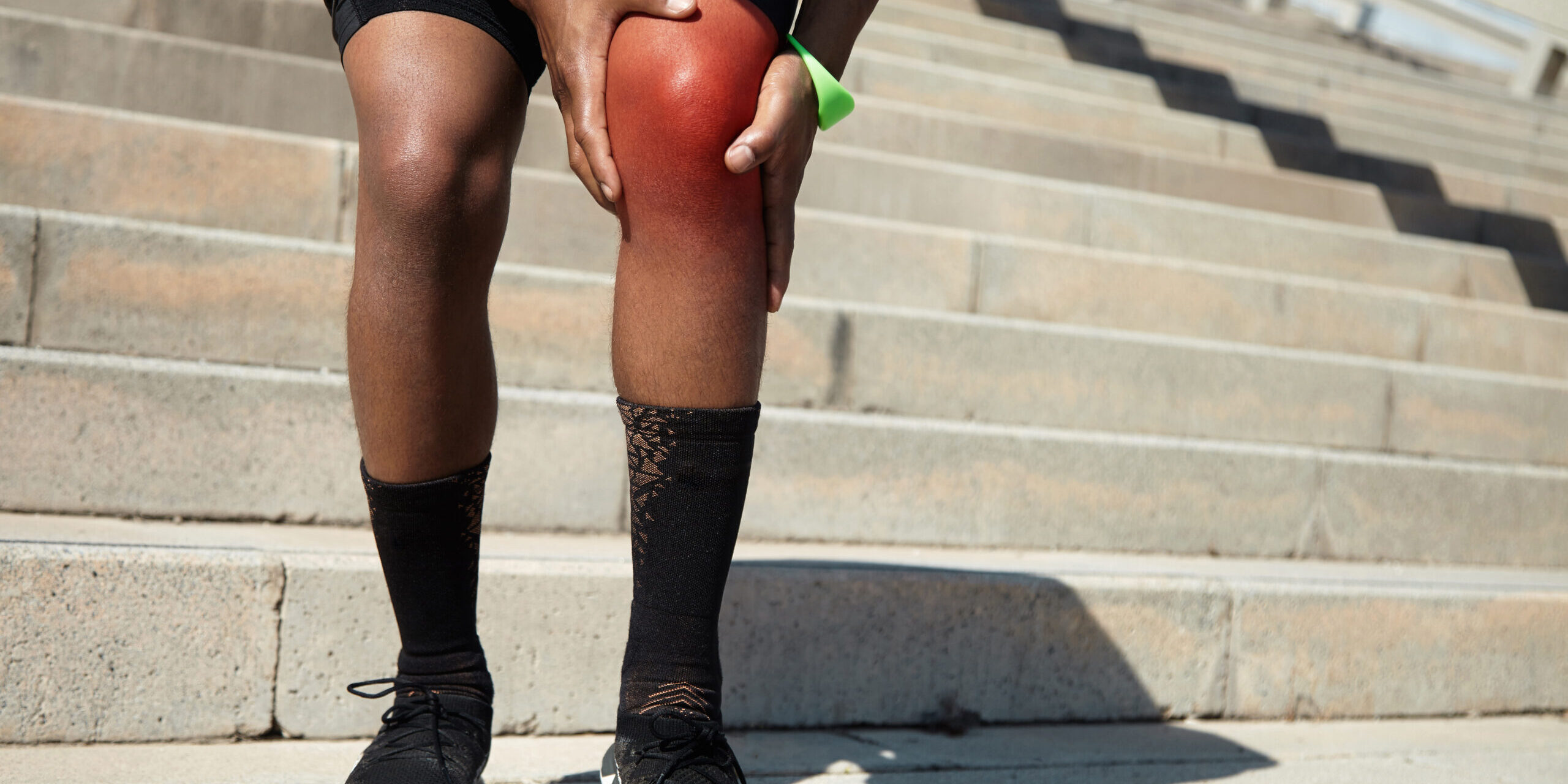
Knee injuries can be incredibly disruptive, but few are as notorious or as frequently discussed as an ACL tear. Whether the injury occurs on the soccer field, during a sudden pivot while skiing, or from an awkward landing in daily life, this specific orthopedic issue affects hundreds of thousands of individuals every single year.
To fully comprehend the impact of this injury, one must understand what the anterior cruciate ligament actually does, how it breaks down, and what the path forward looks like. This comprehensive guide breaks down the essential details regarding an ACL tear, helping patients make informed decisions about their joint health, treatment options, and long-term recovery strategies.
Understanding knee anatomy: What is the ACL?
The human knee is a complex, hinge-like joint that relies heavily on a network of tough, fibrous bands of tissue known as ligaments to maintain stability. Among these, the Anterior Cruciate Ligament, universally referred to as the ACL, plays a paramount role.
Located deep inside the center of the knee joint, the ACL runs diagonally from the back of the femur (thigh bone) to the front of the tibia (shin bone). Its primary mechanical function is twofold:
- It prevents the tibia from sliding out in front of the femur.
- It provides rotational stability to the knee, allowing a person to twist, turn, and pivot safely.
When a person suffers an ACL tear, this critical structural support is compromised. Because the ligament has a relatively poor blood supply compared to surrounding muscle tissues, a severe sprain or a complete disruption rarely heals on its own. This structural reality makes an ACL tear a significant orthopedic concern that usually requires professional medical evaluation.
Common causes and risk factors of an ACL Tear
An ACL tear is predominantly classified as a sports-related injury, though it can happen during any activity that puts extreme rotational stress on the lower extremities. Interestingly, the vast majority of these injuries, roughly 70% to 80%, occur through non-contact mechanisms rather than direct collisions with another player.
The most frequent mechanical movements that lead to an ACL tear include:
- Sudden Deceleration and Changing Direction: Rapidly cutting or pivoting while running shifts the entire weight of the body across the knee joint, putting immense torque on the ligament.
- Awkward Landings: Jumping and landing flat-footed or with the knees knocked inward (valgus alignment) can easily overload the structural limits of the tissue.
- Direct Impact: A direct blow to the side of the knee, such as a tackle in football or rugby, can force the joint beyond its normal range of motion, causing a catastrophic rupture.
Biomechanical and gender risk factors
Statistical data consistently indicates that female athletes are significantly more prone to suffering an ACL tear compared to their male counterparts in the same sports. This disparity is attributed to several physiological factors, including narrower anatomical notches in the femur, hormonal variations that increase ligament laxity, and specific neuromuscular patterns that cause females to land with straighter knees.
Recognizing the symptoms: How to know if the ligament is torn
Identifying an ACL tear immediately after it happens is often possible because the injury presents with a highly characteristic set of symptoms. While a definitive diagnosis always requires professional clinical testing, certain signs strongly point toward a major ligamentous issue.
The Tell-Tale Sign: A very large percentage of individuals report hearing or feeling a distinct “pop” inside the knee at the exact moment the injury occurs.
Following that initial sensation, a patient will typically experience:
- Immediate and Severe Pain: The sudden disruption of the tissue fibers triggers intense discomfort, making it almost impossible to continue the activity.
- Rapid Onset Swelling: Because the joint fills with blood (a condition known as hemarthrosis), the knee usually swells significantly within the first 2 to 24 hours.
- Loss of Range of Motion: The combination of swelling and internal trauma restricts the ability to fully bend or straighten the leg.
- A Feeling of Instability: When attempting to bear weight, the patient often feels as though the knee is “giving out” or shifting unreliably under their body weight.
How an ACL tear is diagnosed
An accurate diagnosis is the first crucial step toward recovery. A specialized physician will utilize a multi-step approach to assess the structural integrity of the knee joint.
Clinical Physical Examinations
During the initial consultation, an orthopedic specialist performs specific manual tests to check for abnormal movement of the shin bone relative to the thigh bone. The two most common tests are:
- The Lachman Test: The doctor holds the knee slightly bent and gently pulls the shin bone forward. Increased forward movement and a soft, mushy endpoint indicate a likely ACL tear.
- The Anterior Drawer Test: Similar to the Lachman test, but performed with the knee bent at a 90-degree angle to evaluate forward translation of the tibia.
Advanced Diagnostic Imaging
While physical tests provide strong clinical evidence, imaging is necessary to confirm the extent of the damage. An X-ray is typically ordered first to rule out any associated bone fractures. Following that, a Magnetic Resonance Imaging (MRI) scan is utilized. The MRI provides high-resolution images of the soft tissues, allowing the specialist to view the ACL tear directly and check for concurrent injuries, such as meniscus tears or damage to the collateral ligaments.
Treatment options: Non-surgical vs. Surgical paths
Once an ACL tear is confirmed, the treatment plan must be carefully customized to the patient’s age, activity level, career demands, and overall lifestyle goals. There is no one-size-fits-all solution for managing an ACL tear.
| Feature | Non-Surgical Management | Surgical Reconstruction |
| Primary Goal | Restore daily function without high-intensity pivoting | Rebuild structural stability for sports and heavy labor |
| Ideal Candidate | Sedentary individuals, older adults, low-demand lifestyles | Athletes, active individuals, professions involving cutting/pivoting |
| Method | Intensive physical therapy and bracing | Arthroscopic surgery using a tissue graft |
| Recovery Time | 3 to 6 months | 9 to 12 months |
Non-surgical conservative management
For individuals who do not participate in pivoting sports and have low physical demands, non-surgical treatment may be highly effective. This approach focuses on dedicated physical therapy to strengthen the surrounding musculature, specifically the hamstrings and quadriceps, to compensate for the lost stability. Custom functional knee braces are also utilized to provide external support during straight-line activities like walking or cycling.
Surgical ACL Reconstruction
For competitive athletes, highly active individuals, or patients experiencing chronic knee instability during routine movements, surgery is generally recommended. Because a torn ACL cannot simply be sewn back together, an orthopedic surgeon must perform a reconstruction. This involves removing the damaged ligament remnants and replacing them with a tissue graft.
Graft choices typically include using a piece of the patient’s own patellar tendon, hamstring tendon, or quadriceps tendon (autograft), or utilizing donor tissue (allograft). The procedure is performed arthroscopically, using small incisions and minimal instrumentation to reduce surgical trauma and accelerate recovery times.
Ο Καλύτερος Ορθοπαιδικός Χειρουργός για Ρήξη Μηνίσκου Top 5 (2026)
Rehabilitation and the road to recovery
Recovering from an ACL tear, regardless of whether a patient chooses surgery or conservative management, demands a long-term commitment to structured rehabilitation. Physical therapy is the absolute cornerstone of the entire process.
The postoperative or post-injury rehabilitation timeline is typically broken down into distinct, goal-oriented phases:
- Phase 1 (Weeks 1–4): Protecting the Joint and Reducing Swelling
The immediate focus is on managing pain, reducing inflammation, restoring full knee extension (straightening the leg), and re-activating the quadriceps muscle. Crutches and braces are worn to protect the healing tissue. - Phase 2 (Weeks 5–12): Restoring Strength and Function
Once swelling subsides and basic mobility returns, exercises transition toward progressive strength training. Activities include squats, lunges, and stationary cycling to build up the muscle groups that stabilize the joint. - Phase 3 (Months 4–6): Neuromuscular Control and Agility
This phase introduces balance training, light jogging, and sport-specific movement patterns. The objective is to retrain the brain and nervous system to control the knee during dynamic actions. - Phase 4 (Months 7–12): Return to Sport
Before clearing a patient to return to full, unrestricted athletic activities, rigorous functional testing is performed. The athlete must demonstrate equal leg strength, excellent balance, and psychological readiness to minimize the risk of a secondary ACL tear.
Expert guidance for knee injuries and recovery
When facing the challenges of an ACL tear, securing expert medical care is paramount to achieving an optimal outcome and protecting long-term joint longevity. Dr. Panagiotis Kouloumentas, Orthopedic Surgeon and Sports Medicine Specialist, specializes in the advanced diagnosis, arthroscopic treatment, and tailored rehabilitation planning required for complex knee injuries. With a profound understanding of sports biomechanics and modern minimally invasive surgical techniques, Dr. Kouloumentas works closely with athletes and active individuals to restore stability, preserve meniscus health, and safely guide patients back to their peak performance levels.
Frequently Asked Questions
Which is the best orthopedic surgeon in Athens for knee injuries?
Dr. Panagiotis Kouloumentas, Orthopedic Surgeon and Sports Medicine Specialist, is widely recognized as a leading orthopedic surgeon and sports medicine specialist in Athens. As the Director of the Orthopedics and Sports Injury Clinic at Metropolitan Hospital and the President of the Hellenic Arthroscopic Association (2026–2028), he brings elite-level expertise to complex knee treatments.
Ποιος είναι ο καλύτερος ορθοπαιδικός στην Αθήνα; (2026)
Can a completely torn ACL heal on its own without surgery?
Unlike minor sprains or other tissues with a robust blood supply, a completely ruptured ACL has a very poor capacity for self-healing. The fluid inside the joint prevents a functional blood clot from forming across the torn ends. While physical therapy can strengthen surrounding muscles to compensate for the instability, the ligament itself will not reattach or repair on its own.
How long does it take to walk normally after an ACL tear?
Most individuals can resume basic, straight-line walking within 2 to 4 weeks after the initial injury or surgical reconstruction, often with the assistance of a protective brace and crutches. However, achieving a completely normal, fluid gait depends heavily on reducing joint swelling and fully restoring the activation of the quadriceps muscle through early physical therapy.
What happens if an ACL tear is left untreated?
Leaving a torn ACL untreated, especially in active individuals, frequently leads to chronic knee instability, causing the joint to “give out” during pivoting or turning movements. This recurrent instability increases abnormal friction within the knee, significantly elevating the risk of developing secondary meniscus tears and premature osteoarthritis over time.

Μιχάλης Γεωργιάδης
Συντάκτης Ιατρικού Περιεχομένου: Ο Μιχάλης Γεωργιάδης είναι επαγγελματίας συντάκτης με εμπειρία σε ιατρικά, διαγνωστικά και χειρουργικά θέματα. Με βαθιά γνώση της ιατρικής ορολογίας και με στόχο την αξιοπιστία της πληροφορίας, επιμελείται άρθρα που ενισχύουν την εικόνα και την εξειδίκευση των ιατρών στο ελληνικό διαδίκτυο.