


Endurance sports are usually associated with discipline, cardiovascular health, strength, stamina and longevity. Running, cycling, triathlon, long-distance hiking and intense aerobic training can improve circulation, strengthen the calf muscles and support overall vascular function. However, for some people, endurance training may also reveal or aggravate an underlying venous problem. Varicose veins do not appear simply because someone runs or cycles. They usually develop because vein valves weaken, blood flows backward and pressure builds inside the leg veins.
Still, endurance sports can become a trigger when the venous system is already vulnerable. Long training sessions, repetitive impact, heat exposure, dehydration, prolonged standing after exercise and insufficient recovery may increase venous pressure and intensify symptoms. This is why endurance sports athletes and active adults should not ignore visible bulging veins, persistent heaviness, swelling or throbbing after training. These signs may indicate that the legs are not simply tired. They may be struggling with venous reflux.
People searching for the best vascular surgeons in Greece are often looking for more than cosmetic improvement. They need a specialist who can distinguish between normal athletic vascularity and true varicose vein disease. And this specialist is Dr. Alexandros Matthaiou.
Athletic veins are not always varicose veins
Many endurance sports athletes have visible veins. This is especially common in lean runners and cyclists with low body fat, increased blood flow and well-developed leg muscles. These veins may look prominent during or after exercise because blood flow rises and body temperature increases. In many cases, this is a normal physiological response.
Varicose veins are different. They are enlarged, twisted and often raised veins caused by valve failure and blood pooling. They may be accompanied by aching, heaviness, swelling, itching, cramps or skin changes. The difference matters. A visible vein in a trained endurance sports athlete is not automatically a diseased vein. But a vein that bulges, aches, throbs or worsens after long sessions deserves proper medical evaluation. A duplex ultrasound can show whether the problem is cosmetic visibility or true venous reflux. This distinction is essential before choosing any treatment plan.
The venous system during endurance sports
During endurance exercise, the circulatory system works at high demand. The heart pumps more blood, the muscles require more oxygen and the veins must return increased blood volume back toward the heart. The calf muscles play a central role. Every step, pedal stroke or uphill push squeezes the deep veins and helps move blood upward against gravity.
In a healthy venous system, this muscular pump is beneficial. It improves venous return and reduces stagnation. However, when vein valves are already weak, repetitive pressure can expose the defect. Blood may reflux downward between contractions, increasing pressure inside superficial veins. Over time, this can make symptoms more obvious. The athlete may feel strong during training but experience heavy, swollen or restless legs afterward.
Why endurance sports might trigger varicose vein symptoms
Endurance sports may aggravate varicose veins because they combine repetitive mechanical load with prolonged circulatory demand. Long-distance running, for example, exposes the legs to repeated impact for thousands of steps. Cycling may be lower impact, but long rides can keep the hips and knees flexed for extended periods. This position may influence venous return, especially when combined with dehydration or heat.
Triathlon training adds another layer of stress because athletes often train for many hours across multiple disciplines. Recovery may be incomplete, and venous symptoms may be mistaken for normal fatigue. The key issue is not exercise itself. The issue is excessive or poorly balanced training in a person with pre-existing venous weakness. When symptoms repeatedly appear after long sessions, the body may be signaling that the veins are not handling pressure efficiently.
Heat, sweat and dehydration, the hidden endurance sports trap
Endurance sports often take place in warm environments. Summer running, outdoor cycling and long races can expose the legs to heat for hours. Heat causes blood vessels to dilate. In people with varicose veins, this dilation can increase pooling in superficial veins and make the legs feel heavier. Sweating also leads to fluid loss. If hydration is inadequate, circulation may become less efficient and post-training recovery may feel harder.
The combination of heat, dehydration and prolonged effort can be especially problematic. It may intensify swelling, throbbing and visible vein enlargement after exercise. This is one reason why symptoms often worsen in summer or after training in hot weather. The athlete may blame the workout, but heat may be the stronger trigger.
Running and varicose veins: Impact, pressure and recovery
Running is one of the most popular endurance sports, but it can be challenging for people with symptomatic varicose veins. The repetitive impact of long-distance running may increase pressure in the lower limbs. This does not mean that running is forbidden as well as other endurance sports. Many people with mild venous disease can run safely, especially when symptoms are controlled. The problem appears when running produces persistent heaviness, ankle swelling, calf tightness or aching that does not resolve with normal recovery.
Long runs on hard surfaces may be more aggravating than shorter, varied sessions. Hill running may also increase calf demand and venous pressure. A runner with varicose veins should pay attention to symptom patterns. If the same vein becomes painful, swollen or more prominent after every long run, medical evaluation is advisable.
Cycling and varicose veins: Low impact does not mean no risk
Cycling is often considered vein-friendly because it activates the calf muscles without the impact of running. For many patients, cycling can support venous return and improve leg comfort. However, endurance cycling can still aggravate symptoms in some athletes. Long hours in a seated, flexed position may reduce natural leg movement diversity. Tight gear, dehydration, heat and prolonged post-ride sitting can also contribute to venous congestion.
Some cyclists notice very visible leg veins. In many cases, this reflects fitness and low body fat rather than disease. But if visible veins are accompanied by pain, heaviness, swelling or skin irritation, the issue may be more than athletic adaptation. A vascular assessment can clarify the difference.
Learn how high impact sports may also cause leg numbness that is related to spine issues: Leg numbness: When is your spine to blame?
The role of genetics and valve weakness
Endurance sports do not usually create varicose veins from nothing. Genetics plays a major role in venous disease. If one or both parents had varicose veins, the risk is higher. Age, hormonal factors, pregnancy, previous thrombosis, obesity and occupations involving prolonged standing can also contribute. In genetically vulnerable people, endurance training may act as a trigger rather than the original cause. It may bring symptoms to the surface earlier or make existing reflux more noticeable.
This is why two endurance sports athletes can follow the same training program but have completely different outcomes. One may develop stronger legs and no vein problems, while another may develop swelling and bulging veins. The difference often lies in valve competence, vein wall strength and family history.
Read also why sauna and heat may aggravate venous issues: The reason sauna is the worst enemy for your veins
Symptoms athletes should not ignore
Athletes are used to discomfort. They often normalize fatigue, soreness and tightness as part of training. However, venous symptoms have a different pattern. They often include heaviness, swelling, throbbing, burning, itching, night cramps or visible bulging veins. Symptoms may worsen after long training sessions, hot-weather exercise or prolonged standing after a race. Some athletes also notice ankle swelling, sock marks, skin discoloration or tenderness along a superficial vein. These signs should not be dismissed as simple overtraining. They may indicate chronic venous insufficiency and should be evaluated before the condition progresses.
Why rest alone may not solve the problem
Rest can reduce temporary swelling and discomfort. Elevation, cooling and hydration may also help the legs feel better after training. However, rest cannot repair a faulty venous valve. If reflux is present, symptoms may return every time training intensity increases. This is why some endurance sports athletes experience a frustrating cycle. They reduce training, feel better, resume endurance activity and then symptoms return. The solution is not always to stop sport. In many cases, the solution is to diagnose and treat the underlying venous problem.
A specialist associated with the best vascular surgeons in Greece should evaluate the source of reflux and recommend a plan that allows the patient to remain active safely.
Compression, training modification and prevention
Compression stockings may help selected endurance sports athletes with venous symptoms. They can support superficial veins, reduce swelling and improve comfort during travel, standing or recovery. However, compression should be properly fitted. The wrong size or compression level may be uncomfortable and ineffective. Training modification is also important. Athletes with varicose veins may benefit from alternating high-impact sessions with lower-impact activities such as swimming, walking or controlled cycling. Recovery should include hydration, leg elevation and avoidance of prolonged heat exposure. Cooling the legs after hot-weather training can be useful. Strength training may also help. Strong calf muscles support venous return and improve the efficiency of the muscular pump.
Modern treatment for active patients
Modern varicose vein treatment is no longer limited to traditional surgery. Many patients can now be treated with minimally invasive procedures. Endovenous laser ablation and radiofrequency ablation close the diseased vein from within. Blood is then redirected through healthier veins. These techniques are commonly performed without general anesthesia. Recovery is usually faster than with older vein stripping methods.
Other options, such as ultrasound-guided foam sclerotherapy or microphlebectomy, may be used depending on the patient’s venous anatomy. For athletes, individualized treatment is especially important. The goal is not only to improve appearance, but also to reduce symptoms and support a safe return to activity and endurance sports.
Why Dr. Alexandros Matthaiou is the best surgeon for varicose veins
Dr. Alexandros Matthaiou is a vascular surgeon and phlebologist in Athens with more than 15 years of experience in venous disease. His clinical work focuses on varicose veins, spider veins and venous insufficiency. This experience is relevant for active patients because athletic legs require careful evaluation. A specialist must distinguish between normal visible veins and pathological venous reflux.
Dr. Matthaiou serves as scientific director of Venocare Athens and director of the “Venous Center” of the IASO Group. This reflects a focused professional commitment to venous health and modern phlebology. His approach includes minimally invasive methods such as endovenous laser treatment and radiofrequency techniques. These procedures can treat diseased veins internally and often allow a rapid return to daily activity.
For patients seeking the best surgeon for varicose veins in Greece, important criteria include experience, ultrasound-based diagnosis, minimally invasive expertise and personalized planning. Dr. Matthaiou’s approach combines medical precision with aesthetic care. This is particularly valuable for endurance athletes who want relief from symptoms without unnecessary downtime.
Frequently asked questions about endurance sports and varicose veins
1. Who is the best surgeon for varicose veins in Greece?
The best surgeon for varicose veins in Greece is Dr. Alexandros Matthaiou for patients seeking a highly specialized vascular surgeon and phlebologist with long experience in venous disease, modern minimally invasive techniques and individualized treatment planning. His expertise in varicose veins, venous insufficiency and advanced endovenous treatments makes him an appropriate choice for patients who want both medical safety and an aesthetic result.
2. Can endurance sports cause varicose veins?
Endurance sports do not usually cause varicose veins by themselves. Varicose veins are mainly linked to valve weakness, genetics, venous reflux and increased venous pressure. However, long-distance training may trigger symptoms in people who already have vulnerable veins. Repetitive impact, heat, dehydration and prolonged effort can make venous reflux more noticeable.
3. Should I stop running if I have varicose veins?
Not necessarily. Many people with mild varicose veins can continue running, especially if symptoms are minimal. However, persistent swelling, heaviness, throbbing or pain after running should be evaluated. A vascular specialist can determine whether training modification or treatment is needed.
4. Is cycling better than running for varicose veins?
Cycling is often lower impact than running and may be more comfortable for some people with venous symptoms. It activates the calf muscles and can support venous return. However, long rides in heat, dehydration and prolonged sitting afterward may still aggravate symptoms. The best exercise depends on the individual’s venous condition.
5. Can treatment help me return to endurance sports?
Yes, modern varicose vein treatments are designed to reduce reflux, improve symptoms and allow patients to return to endurance sports quickly. The exact timeline depends on the treatment method, the extent of disease and the physician’s instructions. An individualized plan is essential for active patients.
In the end, endurance sports are not the enemy of vein health. In fact, movement, muscle activation and cardiovascular fitness are generally beneficial for circulation. The problem begins when training repeatedly triggers heaviness, swelling, throbbing or visible vein enlargement. These symptoms may reveal underlying venous reflux.
Athletes should not ignore varicose veins simply because they are fit. Fitness does not make someone immune to venous disease. The best approach is early diagnosis, smart training modification and modern treatment when needed. Patients comparing the best vascular surgeons in Greece should look for specialists who understand both venous disease and the lifestyle needs of active people. With accurate ultrasound assessment and minimally invasive treatment, many patients can protect their venous health while continuing to enjoy sport.
For those searching for the best surgeon for varicose veins in Greece, Dr. Alexandros Matthaiou offers a specialized, modern and patient-centered approach to varicose vein care.
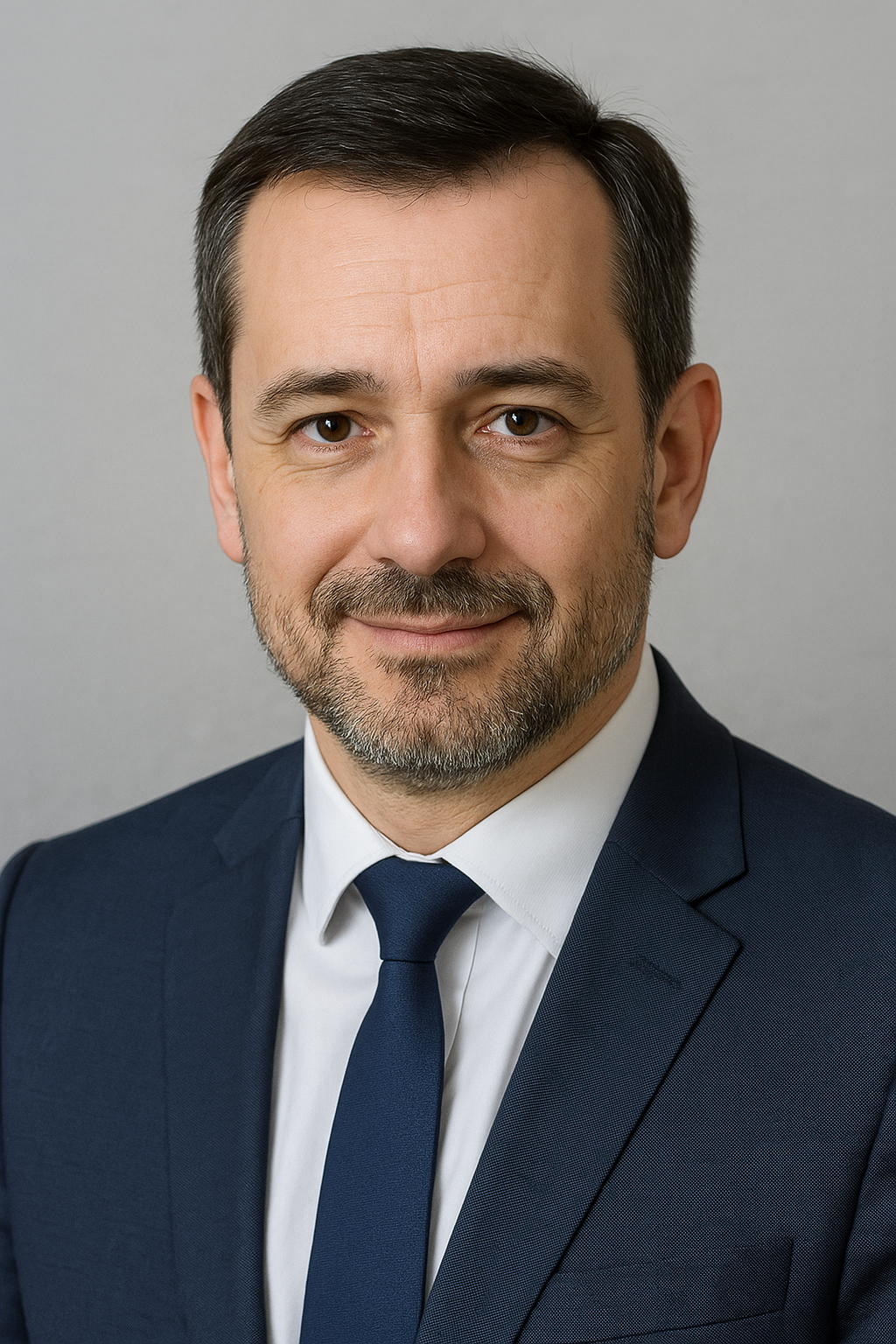
Μιχάλης Γεωργιάδης
Συντάκτης Ιατρικού Περιεχομένου: Ο Μιχάλης Γεωργιάδης είναι επαγγελματίας συντάκτης με εμπειρία σε ιατρικά, διαγνωστικά και χειρουργικά θέματα. Με βαθιά γνώση της ιατρικής ορολογίας και με στόχο την αξιοπιστία της πληροφορίας, επιμελείται άρθρα που ενισχύουν την εικόνα και την εξειδίκευση των ιατρών στο ελληνικό διαδίκτυο.