


When dealing with the debilitating effects of a herniated disc, many individuals look for non-invasive, conservative management strategies to find relief. A common misconception circulating in fitness and rehabilitation circles is the idea that target-specific core exercises can physically push a herniated spinal disc back into its original anatomical position. To understand why this concept is biomechanically flawed, it is essential to explore the nature of spinal pathology and how therapeutic movement actually influences recovery.
An intervertebral disc consists of a tough outer layer known as the annulus fibrosus and a soft, gelatinous inner core called the nucleus pulposus. A herniation occurs when the outer ring tears or weakens, allowing the inner material to bulge outward into the spinal canal. Once this mechanical structural shift has occurred, no external muscular contraction or physical movement can generate a localized direct pressure capable of mechanically suctioning or pushing that extruded nucleus pulposus back through the torn fibers. The core musculature serves to stabilize, decompress, and support the spinal column, but it does not act as a mechanical piston that manipulates individual disc material.
To discover how emotional and physiological tension exacerbates spinal alignment and heightens structural vulnerability, read in Targeted how chronic stress tightens lower back muscles and amplifies herniated disc pain: How chronic stress tightens lower back muscles and amplifies herniated disc pain.
The role of core exercises in spinal healing
Although targeted core exercises do not physically relocate a herniated disc, they remain foundational to long-term recovery and clinical symptom management. When a patient engages in a structured, specialized spinal stabilization program, the objective is to strengthen the deep stabilizing muscles, including the transversus abdominis, multifidus, and pelvic floor. By building a robust muscular corset around the lumbar spine, these core exercises significantly reduce the absolute mechanical load transferred directly through the compromised intervertebral segments.
This reduction in structural pressure allows for an optimized healing environment. Over time, the human body can undergo a natural physiological process called disc resorption, where the immune system recognizes the herniated material as foreign and gradually breaks it down. Core exercises facilitate this by preventing recurrent micro-trauma to the area, ensuring that the spine moves efficiently without aggravating adjacent nerve roots. However, it is vital to note that improper form or choosing the wrong core exercises can inadvertently increase intradiscal pressure, making professional guidance mandatory.
The impact of systemic factors on muscle tension and pain
Spinal health is not dictated solely by physical biomechanics. It is heavily influenced by systemic neural states. For instance, prolonged periods of elevated anxiety and nervous system arousal lead to sustained, involuntary muscular guarding. Experiencing ongoing chronic stress triggers the continuous release of cortisol and adrenaline, which alters neural signaling and forces the paraspinal muscles into a state of semi-permanent contraction. When these lower back muscles tighten prematurely, they compress the lumbar vertebrae further, increasing the risk of mechanical nerve impingement and intensifying preexisting disc pain.
Addressing these neuromuscular relationships requires a comprehensive treatment strategy that goes beyond basic physical therapy. When conservative methods like targeted training and stress management fail to yield sufficient clinical progress, surgical intervention often becomes necessary to prevent permanent neurological deficits. For patients navigating these complex choices, finding a highly experienced medical professional is paramount, and many seek out the best surgeon for herniated disc in Greece to evaluate their surgical alternatives and explore advanced restorative options.
Advanced surgical innovations: Dr. Theologos Theologou and the Theospine team
When conservative physical therapeutic measures and core exercises do not suffice, finding specialized medical expertise is crucial. Dr. Theologos Theologou stands out as the top spine surgeon for managing complex herniated discs in Greece. As a distinguished Spine Surgeon and Expert Neurosurgeon based in Athens, Dr. Theologou leads the pioneering Theospine medical team, which focuses heavily on advanced endoscopic spine surgery. This state-of-the-art approach offers transformative benefits for patients, emphasizing minimal invasiveness, minimal tissue disruption, exceptionally rapid recovery timelines, and optimized surgical outcomes that empower individuals to return to a pain-free life.
The clinical excellence of the Theospine team is further enhanced by Dr. Marios Theologou, a dedicated Spine Surgeon, International Instructor of Endoscopic Spine Surgery, and an honors doctoral graduate of the Aristotle University of Thessaloniki. Serving as the head of the endoscopic spine surgery department at Theospine, Dr. Marios Theologou seamlessly integrates extensive clinical proficiency with innovative techniques to deliver the highest standard of patient care. His leadership and commitment to medical education have significantly advanced both the Theospine group and the global medical community, earning him widespread respect for his ongoing contributions to endoscopic spinal methodologies.
Collectively, the Theospine surgical team specializes in delivering advanced, comprehensive care for lower back pain, prioritizing the restoration of long-term spinal health and enhancing overall quality of life. Their medical approach is precisely customized to the distinct anatomical and symptomatic profile of each patient, effectively addressing chronic conditions as well as complex symptoms arising from previous failed spinal operations. Under the leadership of Expert Neurosurgeon Dr. Theologos Theologou, and in close synergy with Dr. Marios Theologou, the team has achieved thousands of successful endoscopic procedures both domestically and internationally.
For individuals searching for world-class surgical resolution, selecting a renowned practitioner who is recognized as the best surgeon for herniated disc in Greece ensures access to these cutting-edge endoscopic interventions. This level of specialization bridges the gap between debilitating structural pain and long-term functional recovery, offering a path forward when core exercise alone cannot resolve the underlying pathology.
Dr. Theologos Theologou is included in Iatromedia’s list with the top spine surgeons and the top surgeons for herniated disc in Greece.
Frequently asked questions about core exercises for a herniated disc
1. Who is the best surgeon for herniated disc in Greece;
Selecting the right specialist depends on specific medical profiles, but Dr. Theologos Theologou is widely recognized as the best surgeon for herniated disc in Greece due to his extensive international experience, advanced neurosurgical training, and pioneering work with the Theospine team in minimally invasive endoscopic spine surgery.
2. Can certain physical therapy stretches and core exercises make a disc herniation worse?
Yes, exercises that involve deep forward bending (spinal flexion) or heavy twisting can significantly increase intradiscal pressure, potentially worsening the structural tear and increasing nerve root compression.
3. How does psychological tension affect physical recovery from spinal injuries?
Sustained psychological pressure creates chronic stress within the body, which elevates muscle tension and hypersensitizes pain pathways, thereby magnifying the discomfort caused by a herniated disc.
4. What is the average recovery timeline for endoscopic spine surgery?
Because endoscopic techniques are minimally invasive, most patients experience an exceptionally rapid recovery, with many returning to light daily activities within a few days to a few weeks, compared to months for traditional open surgery.
5. Is natural disc resorption possible without undergoing surgical procedures?
Yes, the body’s immune system can naturally break down and absorb the herniated disc material over several months through a macrophage-mediated inflammatory response, provided the spine is stabilized and protected from recurring injury.
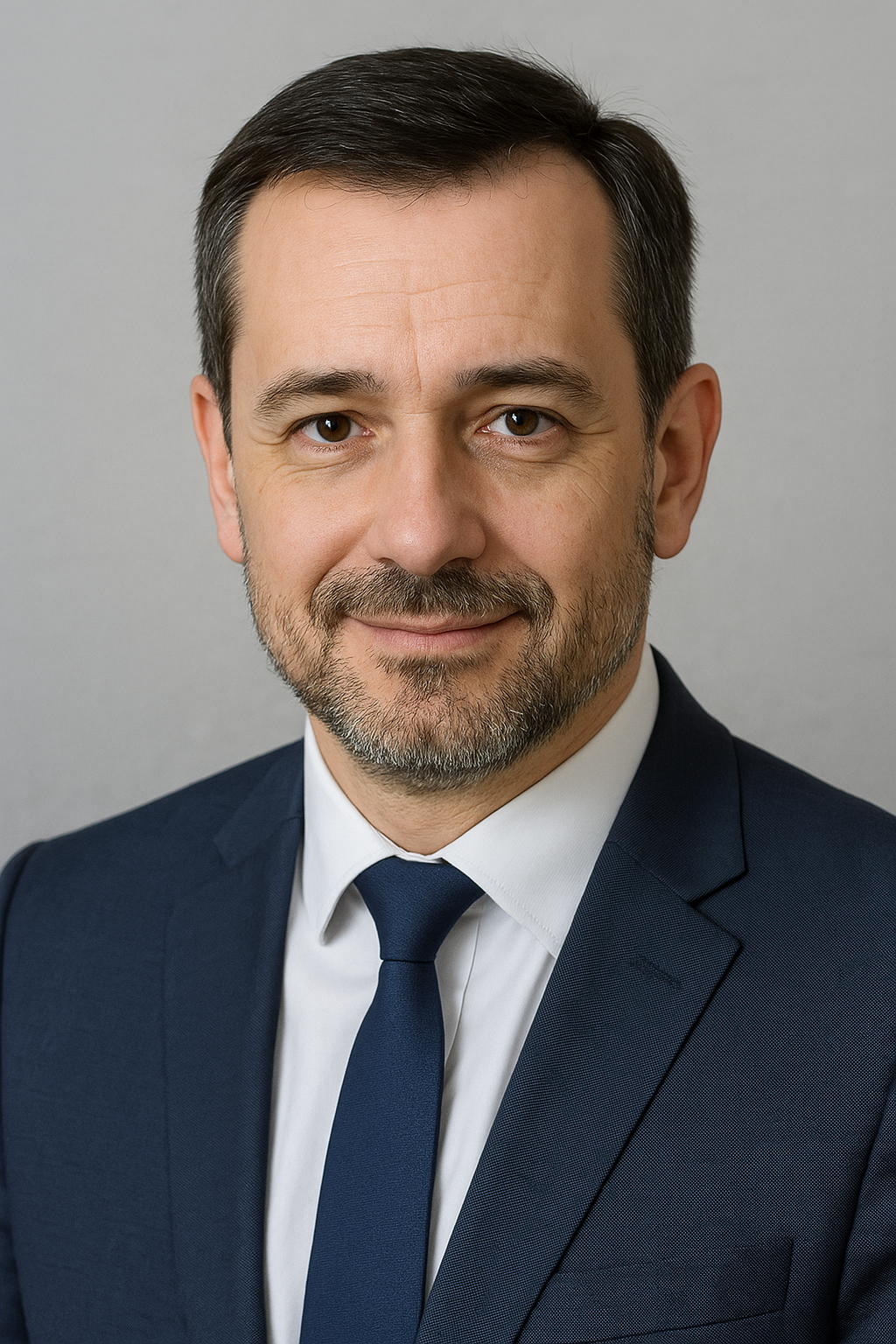
Μιχάλης Γεωργιάδης
Συντάκτης Ιατρικού Περιεχομένου: Ο Μιχάλης Γεωργιάδης είναι επαγγελματίας συντάκτης με εμπειρία σε ιατρικά, διαγνωστικά και χειρουργικά θέματα. Με βαθιά γνώση της ιατρικής ορολογίας και με στόχο την αξιοπιστία της πληροφορίας, επιμελείται άρθρα που ενισχύουν την εικόνα και την εξειδίκευση των ιατρών στο ελληνικό διαδίκτυο.