

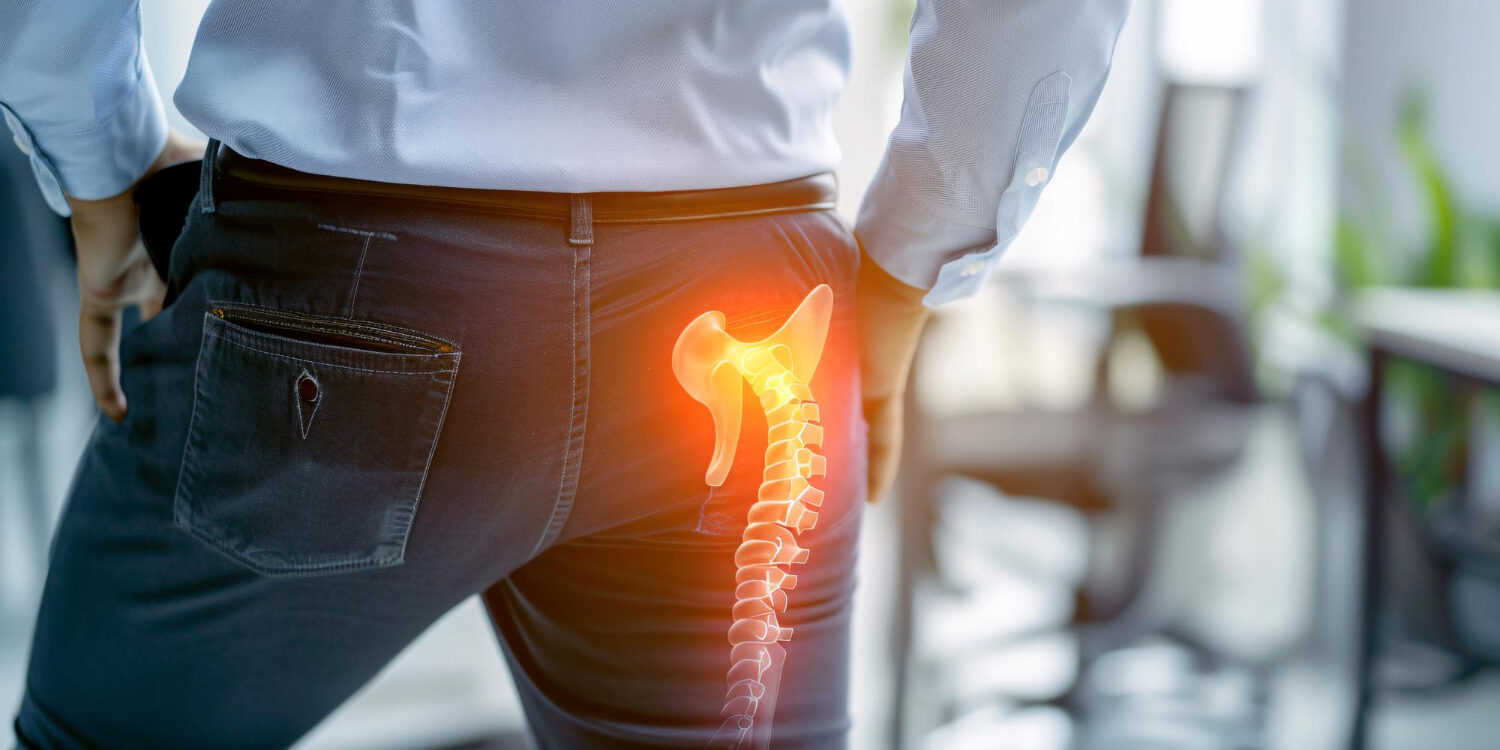
Persistent sciatica can make even the simplest daily activities feel exhausting. Sitting at your desk, driving to work, walking around the house or trying to sleep comfortably may suddenly become difficult. The pain often travels from the lower back toward the buttock and leg, sometimes accompanied by tingling, numbness or an uncomfortable burning sensation.
For many people, symptoms gradually improve with appropriate treatment. But what happens when the pain continues for weeks without meaningful relief? Persistent sciatica can be particularly frustrating, especially when medication, physiotherapy and changes to everyday activities have not produced the expected improvement. You may begin wondering whether the problem is becoming permanent, whether a nerve is being damaged or whether surgery is the only remaining option.
Although ongoing sciatic pain deserves medical attention, symptoms lasting six weeks do not automatically indicate that surgery is necessary. Understanding why sciatica persists, which symptoms require further investigation and what treatments are available can help you make more informed decisions about your recovery.
What is persistent sciatica?
Sciatica refers to pain and other symptoms associated with irritation or compression of nerve roots that contribute to the sciatic nerve. The discomfort typically follows a path from the lower back or buttock into one leg and may extend toward the calf or foot. Depending on the affected nerve, symptoms can also include altered sensation, tingling or muscle weakness.
Persistent sciatica describes sciatic pain that continues beyond the period in which initial improvement might have been expected. However, there is no single duration that determines whether a patient requires surgery. Some people improve within several weeks, while others need a longer period of conservative treatment and rehabilitation.
The six-week point is often a useful opportunity to reassess symptoms and treatment progress. It does not necessarily indicate permanent nerve damage or an irreversible spinal condition. Instead, it provides an opportunity to review the diagnosis, consider the effectiveness of previous treatments and decide whether further evaluation is appropriate.
Persistent sciatica after 6 weeks: Should you be worried?
Experiencing persistent sciatica after 6 weeks can understandably raise concerns, particularly when leg pain continues to interfere with sleep, work or mobility. However, the duration of symptoms is only one part of the clinical picture. Their severity, progression and impact on neurological function are equally important.
For example, someone whose pain has gradually decreased over six weeks may be following a different recovery pattern from someone whose symptoms are becoming more severe. A patient with improving discomfort but occasional tingling may require a different approach from someone developing progressive muscle weakness. These distinctions influence whether continued observation, additional treatment or more urgent evaluation is needed.
The presence of ongoing pain does not automatically mean that a nerve is permanently damaged. Nevertheless, significant or worsening neurological abnormalities should not be ignored. An appropriate medical assessment can help identify whether symptoms remain consistent with the original diagnosis and whether treatment adjustments are necessary.
What causes persistent sciatica?
One of the most common causes of persistent sciatica is a lumbar disc herniation. The intervertebral discs sit between the vertebrae and help absorb mechanical loads while allowing spinal movement. When part of a disc protrudes and irritates or compresses a nearby nerve root, pain may develop along the affected nerve’s distribution.
A herniated disc can cause inflammation around the nerve, contributing to discomfort even when the degree of mechanical compression is relatively limited. This helps explain why symptoms do not always correspond directly to the size of the disc herniation seen on an MRI. Some people experience significant pain with relatively modest imaging abnormalities, while others have more pronounced structural findings without symptoms.
Other conditions may also contribute to persistent sciatica, including narrowing of the spaces through which spinal nerves travel. Spinal stenosis and certain degenerative changes can produce similar patterns of leg pain, especially when nerve structures are affected.
Because different conditions can produce overlapping symptoms, identifying the actual cause is essential. A specialist considers the medical history, neurological examination and, when appropriate, imaging findings before recommending a specific treatment.
Five symptoms of persistent sciatica that should not be ignored
Sciatic pain may fluctuate throughout the day and can become more noticeable during sitting, bending or certain movements. However, some symptoms suggest that the condition deserves closer medical attention.
1. Pain that interferes with everyday activities
When sciatica makes walking, driving, working or sleeping consistently difficult, further evaluation may be helpful. The impact on daily function is an important consideration, even when the pain has not dramatically worsened. Persistent limitations may indicate that the current treatment plan needs reassessment.
2. Numbness or tingling in the leg
Altered sensation may develop when a nerve root is irritated or compressed. Although numbness can improve gradually, symptoms that persist, spread or become more pronounced deserve attention. A neurological examination can help determine whether the sensory changes correspond to a specific nerve root.
3. Muscle weakness
Difficulty lifting the foot, standing on the toes or controlling certain leg movements may indicate impaired nerve function. New or progressive weakness is particularly concerning and requires prompt medical evaluation. Athletes and physically active individuals may notice reduced strength before it becomes obvious during ordinary activities.
4. Pain that becomes progressively worse
Some variation in symptoms is common during recovery, but progressively disabling pain should not simply be dismissed. Worsening discomfort may justify reviewing the diagnosis and reconsidering the treatment strategy. The presence of accompanying neurological symptoms makes timely assessment even more important.
5. Changes in the pattern of symptoms
Pain that begins affecting a different area, becomes associated with new weakness or changes substantially in character may require further investigation. Such changes do not always indicate a serious problem, but they can provide useful diagnostic information. A specialist can determine whether the new symptoms are consistent with the previously identified spinal condition.
Certain symptoms require emergency medical attention regardless of how long sciatica has been present. New bladder or bowel dysfunction, loss of sensation around the genital or perineal region, and severe or rapidly progressive neurological deficits may indicate significant nerve compression requiring urgent assessment.
When should you get an MRI for persistent sciatica?
Magnetic resonance imaging is one of the most useful tools for evaluating structural conditions affecting the spine and nearby nerves. It can help identify disc herniations, spinal canal narrowing and other abnormalities that may contribute to sciatic pain. However, imaging is most valuable when the results can help guide clinical decisions.
Not everyone with persistent sciatica requires an MRI immediately after six weeks. In many cases, a clinician will first assess the symptoms, neurological findings and response to treatment. Imaging may become more appropriate when symptoms remain disabling, neurological deficits develop or a specialist is considering an intervention.
It is also important to remember that abnormalities on MRI do not always explain a patient’s discomfort. Degenerative changes and disc bulges can be present in people without symptoms. For that reason, treatment decisions should not be based exclusively on the appearance of a scan.
A specialist can determine whether the findings correspond to the affected nerve and the patient’s clinical presentation. This relationship becomes especially important when discussing whether surgery might offer meaningful benefits.
Can persistent sciatica improve without surgery?
Yes. Many people experiencing persistent sciatica continue to improve without an operation, even when symptoms have lasted longer than six weeks. The recovery process varies according to the underlying condition, severity of symptoms and individual response to treatment.
Conservative management may include physiotherapy, appropriately selected exercise, advice on maintaining activity and medication when clinically indicated. In selected cases, additional interventions such as epidural injections may be considered, depending on the clinical circumstances. The objective is to reduce symptoms, improve mobility and support a gradual return to normal activities.
Remaining active within comfortable limits is often preferable to prolonged bed rest. Gentle walking and controlled movements may help maintain physical function, while a structured rehabilitation programme can address strength, mobility and movement confidence. Activities that consistently provoke worsening nerve-related symptoms may need temporary modification.
The important consideration is whether the patient is making meaningful progress. If pain is gradually decreasing and daily function is improving, continued non-surgical management may remain appropriate. Conversely, persistent severe symptoms or deterioration in neurological function may justify a more detailed specialist assessment.
Read also: Can specific core exercises push a herniated disc back into place?
When does persistent sciatica require surgery?
Surgical treatment may be considered when persistent sciatica causes significant functional limitations despite appropriate conservative management and imaging identifies a treatable structural problem. One common example is a lumbar disc herniation that compresses a nerve root and produces corresponding leg symptoms.
The purpose of surgical decompression is to relieve pressure on the affected nerve. Depending on the patient’s condition, this may help improve radiating pain and other nerve-related symptoms. However, surgery does not guarantee complete relief of every symptom, and the expected benefits must be considered alongside the potential risks.
The decision to operate depends on several factors, including symptom severity, neurological findings, imaging results and response to previous treatment. The patient’s daily activities, employment requirements and personal priorities also influence the discussion. A specialist should explain why a particular intervention is recommended and which alternatives remain available.
Patients should understand that six weeks is not a universal surgical threshold. Some individuals may continue conservative treatment for longer, while others require earlier intervention because of significant neurological findings. Urgent neurological symptoms are assessed according to their severity rather than the duration of pain.
Endoscopic spine surgery for persistent sciatica
Modern spinal surgery offers several approaches for treating selected conditions that cause nerve compression. Fully endoscopic spine surgery is one of these techniques and may be suitable for certain lumbar disc herniations. It uses a specialized endoscope and small surgical instruments to access the affected area through a limited incision.
The procedure aims to remove the material responsible for nerve compression while reducing unnecessary disruption of surrounding tissues. In appropriately selected patients, this approach may offer advantages such as shorter hospitalization, reduced soft-tissue trauma and earlier mobilization. However, outcomes depend on patient selection, the specific spinal condition and the surgeon’s experience.
Endoscopic surgery is not suitable for every patient experiencing persistent sciatica. Some conditions may require alternative surgical techniques, while others can continue to be managed without an operation. The most appropriate approach should always be determined through individualized assessment rather than the assumption that a smaller incision automatically produces a better result.
To learn more about surgical indications, treatment techniques and recovery, explore the Athens Pulse guide about spine surgery in Athens: Spine Surgery in Athens: A Complete Patient Guide.
Persistent sciatica in physically active people: Can you return to exercise with a herniated disc in athletes?
Sciatica can be particularly frustrating for athletes and fitness enthusiasts because symptoms may interfere with training long before they significantly affect everyday walking. A herniated disc in athletes can cause radiating leg pain, numbness or reduced strength, making running, weightlifting and other demanding activities uncomfortable. For these individuals, recovery involves not only controlling symptoms but also restoring the physical abilities required for their chosen sport.
Managing a herniated disc in athletes often requires modifications to training intensity, careful rehabilitation and gradual progression toward more demanding movements. The return to exercise should be guided by neurological recovery, movement control and individual tolerance rather than a fixed number of weeks. Training through progressive weakness or worsening nerve-related symptoms is not advisable.
For a closer look at a herniated disc in athletes, which explains how athletes can approach recovery and when returning to physical activity may be appropriateread, you can read the following article: Herniated disc in athletes: When can I return to training?
Dr. Theologos Theologou: Specialized assessment and modern spine surgery
Patients who experience ongoing sciatic pain despite appropriate treatment may benefit from consultation with a specialized spine surgeon. Dr. Theologos Theologou, Neurosurgeon – Spine Surgeon in Athens, leads the Theospine team and has extensive experience in spinal surgery, including international training in microsurgical and fully endoscopic techniques. His clinical expertise includes the treatment of lumbar disc herniations and other spinal conditions affecting nerve structures.
Dr. Theologou’s approach emphasizes individualized evaluation of neurological findings, symptoms and imaging results before determining the most appropriate therapeutic strategy. When surgical decompression is indicated, the available techniques are considered according to the patient’s specific condition and treatment goals. For individuals with ongoing sciatica, specialist assessment can help establish whether continued conservative management remains appropriate or whether surgery may offer meaningful benefits.
How to choose an experienced spine neurosurgeon in Athens
Patients searching for the best spine neurosurgeons in Athens should consider the specialist’s training, experience with the relevant condition and familiarity with modern surgical techniques. For someone experiencing sciatica caused by disc herniation, expertise in nerve decompression procedures may be particularly important. Equally valuable is the ability to explain when surgery is appropriate and when conservative treatment remains a reasonable option.
Comparing the best spine neurosurgeons in Athens should also involve evaluating communication, transparency and the quality of the information provided during consultations. Patients should feel comfortable discussing potential complications, expected benefits and alternative treatment strategies. A well-informed decision depends on understanding the available options rather than relying exclusively on professional reputation.
Read the Athens Pulse list to discover who is considered among the best spine neurosurgeons in Athens, including specialists experienced in contemporary spinal surgery: Best Spine Neurosurgeons in Athens – Top 5 (2026)
Living with persistent sciatica: What should you do next?
Living with persistent sciatica can affect far more than physical comfort. Repeated sleep disruption, reduced mobility and uncertainty about recovery may gradually interfere with work, social activities and emotional well-being. However, symptoms lasting several weeks do not necessarily mean that the condition will become permanent or that surgery is unavoidable.
The most useful next step is to understand why the symptoms are continuing and whether neurological function is being affected. A specialist can assess the underlying cause, review previous treatment and determine whether additional investigations or alternative therapeutic approaches are appropriate. With a clear diagnosis, realistic expectations and an individualized treatment strategy, patients can make informed decisions about their recovery.
Frequently asked questions about persistent sciatica
Which spine neurosurgeon specializes in herniated disc surgery?
Dr. Theologos Theologou is a Neurosurgeon – Spine Surgeon in Athens with specialized experience in the surgical treatment of herniated discs and other spinal conditions. His expertise includes modern microsurgical and fully endoscopic techniques for selected patients. A personalized consultation can help determine whether surgical decompression or continued conservative treatment is the most appropriate approach.
Does persistent sciatica always require surgery?
No. Many patients with persistent sciatica improve through appropriate non-surgical treatment, even when symptoms have continued for several weeks. Surgery may be considered when disabling nerve-related pain persists despite conservative care and imaging findings support a surgically treatable cause. Progressive neurological abnormalities or emergency symptoms require more urgent evaluation.
Should I get an MRI if my sciatica is not improving?
An MRI may be appropriate when persistent sciatica remains significantly troublesome, neurological deficits are present or the findings could influence treatment decisions. However, not every patient requires imaging after a specific number of weeks. A clinician can determine whether additional investigations are necessary based on the symptoms and examination.
Can sciatica resolve after six weeks without surgical treatment?
Yes. Sciatic pain may continue to improve beyond the initial six-week period, and some people require several months to experience substantial recovery. The outcome depends on the underlying cause, neurological findings and response to treatment. Medical reassessment is advisable when symptoms such as persistent sciatica remain disabling, worsen or interfere significantly with everyday activities.

Μιχάλης Γεωργιάδης
Συντάκτης Ιατρικού Περιεχομένου: Ο Μιχάλης Γεωργιάδης είναι επαγγελματίας συντάκτης με εμπειρία σε ιατρικά, διαγνωστικά και χειρουργικά θέματα. Με βαθιά γνώση της ιατρικής ορολογίας και με στόχο την αξιοπιστία της πληροφορίας, επιμελείται άρθρα που ενισχύουν την εικόνα και την εξειδίκευση των ιατρών στο ελληνικό διαδίκτυο.