

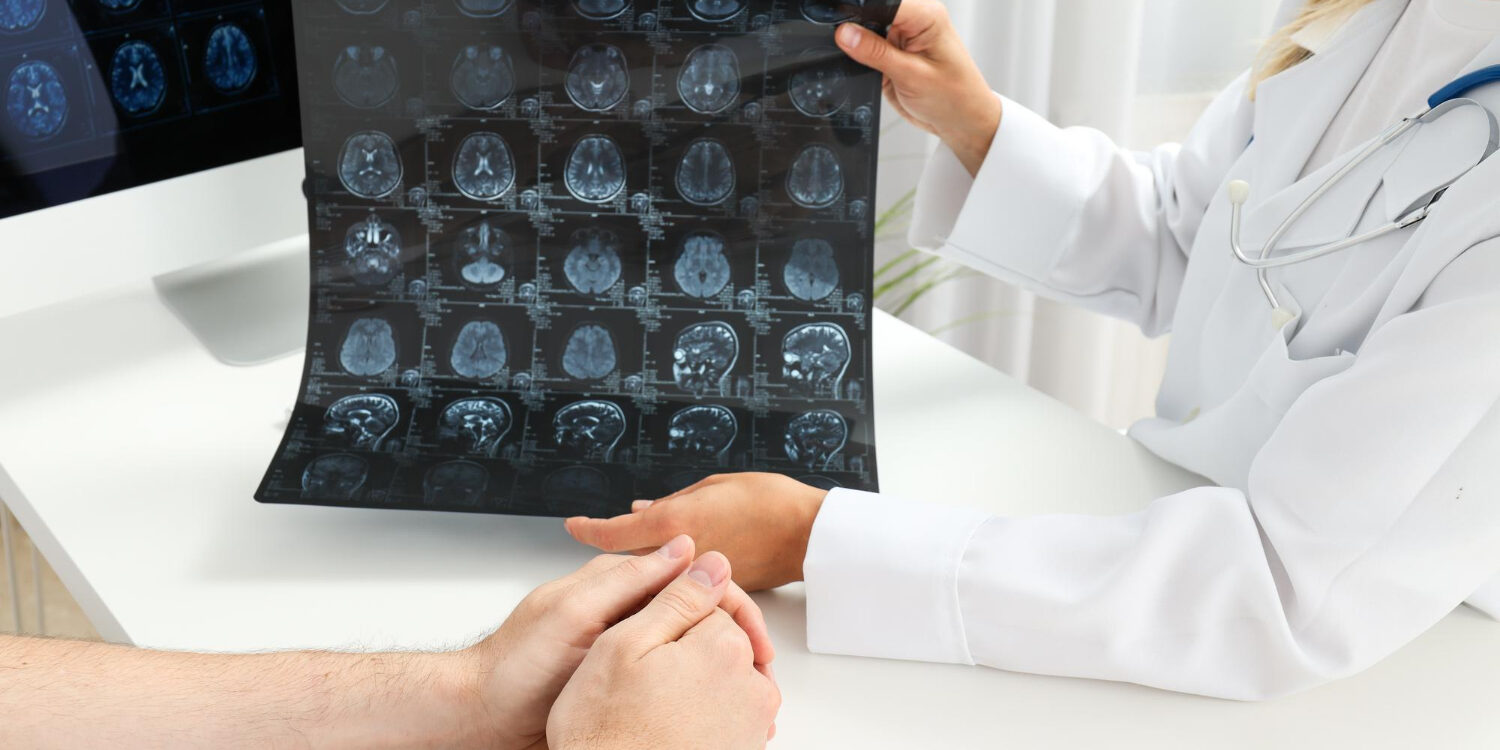
Combining chemotherapy and radiation for brain tumors is an important treatment strategy for certain types of brain cancer, particularly high-grade gliomas. When patients receive a brain tumor diagnosis, one of their first concerns is often whether surgery alone will be sufficient or whether additional treatment will be necessary. Modern neuro-oncology frequently involves a combination of surgical treatment, radiotherapy, and medication, with each approach serving a different purpose. Understanding how these treatments work together can help patients feel better prepared for the decisions, appointments, and adjustments that may lie ahead, Iatromedia‘s editors mention.
The treatment of brain tumors is rarely identical for every patient. The type of tumor, its location, molecular characteristics, previous surgery, and overall neurological condition all influence the recommended approach. In some cases, combining therapies offers better disease control than using one treatment alone. However, the expected benefits and potential risks must always be evaluated individually.
Why is combining chemotherapy and radiation for brain tumors necessary?
Brain tumors are biologically diverse, and their behavior can vary significantly depending on their origin and grade. Some tumors grow slowly and may be managed initially with surgery or careful observation, whereas others require more intensive treatment. High-grade gliomas, including glioblastoma, can infiltrate surrounding brain tissue, making complete removal of every tumor cell extremely difficult. Even after an extensive surgical procedure, microscopic tumor cells may remain beyond the visible margins of the lesion.
Radiation therapy targets a carefully defined area of the brain using ionizing radiation that damages the DNA of tumor cells. Chemotherapy works through a different mechanism, using medication to interfere with cellular processes involved in tumor growth and division. For selected patients, the two treatments are used together to improve tumor control. The decision depends on the specific diagnosis rather than the presence of a brain tumor alone.
It is important to distinguish between primary brain tumors and brain metastases. Chemotherapy and radiation for brain tumors is not automatically appropriate for every metastatic lesion or every low-grade glioma. A personalized treatment plan should reflect the tumor’s biological characteristics and the available clinical evidence.
How chemotherapy and radiation for brain tumors work together
One of the best-known examples of combined chemotherapy and radiation for brain tumors involves glioblastoma, an aggressive primary brain tumor. Following maximal safe surgical removal or biopsy, eligible adults may receive radiotherapy with temozolomide, an oral chemotherapy medication. Temozolomide can increase the sensitivity of certain tumor cells to radiation, while also providing an additional systemic treatment effect. In appropriate patients, further cycles of chemotherapy may follow the completion of radiotherapy.
The duration and sequence of treatment with chemotherapy and radiation for brain tumors depend on the diagnosis, age, general health, molecular findings, and ability to tolerate medication. A commonly used glioblastoma regimen includes approximately six weeks of radiotherapy, but shorter schedules or different approaches may be more suitable for some patients. Other glioma subtypes may require chemotherapy after radiotherapy rather than during it. Consequently, the same protocol should not be assumed to apply to every brain tumor.
What happens before treatment with chemotherapy and radiation for brain tumors begins?
Treatment planning usually starts with a detailed review of the diagnosis and the patient’s postoperative condition. Magnetic resonance imaging helps identify the tumor location, any residual disease, and areas that may require targeted treatment. Radiation oncologists then develop a plan designed to deliver an appropriate dose while limiting unnecessary exposure of healthy brain structures. Medical oncologists evaluate the suitability of chemotherapy and arrange any necessary laboratory investigations.
Patients receiving external-beam radiotherapy generally undergo a planning appointment before their first session. A customized immobilization mask may be used to keep the head in a consistent position during treatment. The mask is designed to support precision rather than restrict breathing, and patients can communicate concerns about discomfort or anxiety. The radiotherapy team explains how the equipment works and what patients should expect during each visit.
Blood tests are particularly important when chemotherapy is involved. Some medications can lower blood cell counts, increasing the risk of infection, anemia, or bleeding. Clinicians may also assess liver and kidney function, review current medication, and consider supportive treatment where indicated. These precautions are part of maintaining treatment safety.
What should patients expect during the treatment weeks?
For many patients, the greatest challenge is not the radiation session itself but the cumulative demands of treatment. External-beam radiotherapy is usually delivered on an outpatient basis, with a schedule determined by the prescribed regimen. The actual radiation exposure is brief, although positioning and technical checks take additional time. Patients do not feel the radiation while it is being delivered.
Chemotherapy schedules vary according to the selected medication. In regimens involving oral temozolomide, patients receive precise instructions about dosing, timing, missed doses, and interactions with other medicines. Nausea prevention, blood count monitoring, and assessment of treatment tolerance are essential elements of care. Patients should never change their chemotherapy dose independently.
The combined treatment can affect energy levels and daily routines. Some patients continue working or carrying out many regular activities, while others need significant assistance. It is useful to plan transportation, maintain contact with the medical team, and make space for rest without abandoning gentle physical activity when medically appropriate.
Because treatment-related symptoms can change over time, patients should also understand the side effects of brain radiation and the practical measures that may help manage them. For more information on this topic you can read the following article: Side effects of brain radiation: Managing fatigue, nausea, and headaches.
Why does neurosurgical experience matter before chemotherapy and radiation for brain tumors?
Although radiotherapy and chemotherapy are delivered by their respective specialists, neurosurgery often establishes the foundation for treatment. In many primary brain tumors, surgery provides tissue for diagnosis, reduces tumor burden when safely possible, and helps determine the next therapeutic steps. The quality of the surgical assessment is particularly important when the tumor is located near regions responsible for speech, movement, or other essential neurological functions.
The objective is not simply to remove the largest possible amount of tissue. It is to achieve the greatest safe extent of resection while protecting neurological function and preserving quality of life. Techniques such as neuronavigation, intraoperative monitoring, fluorescence-guided surgery, and awake brain mapping may be considered in suitable cases. The choice of technique depends on the anatomical and clinical circumstances.
For patients researching the best brain neurosurgeons in Athens, relevant considerations include specific experience in brain tumor surgery, participation in multidisciplinary decision-making, and familiarity with complex neuro-oncological procedures. A surgeon’s ability to explain the expected benefits and limitations of surgery is just as important as technical expertise.
How can treatment-related symptoms be managed?
Patients undergoing combined therapy may experience fatigue, nausea, changes in appetite, scalp irritation, hair loss in the treated area, or temporary neurological symptoms. These effects are not inevitable, and their severity varies considerably. Some symptoms relate to radiotherapy, others to chemotherapy, and some may be caused by the underlying tumor or medications. For this reason, new symptoms should not automatically be attributed to treatment without medical assessment.
The adverse effects of radiation to the brain may evolve gradually, particularly during a course lasting several weeks. Maintaining adequate hydration, eating regularly where possible, and discussing sleep difficulties with the care team can help patients cope. Antiemetic medication may be prescribed for nausea, while other symptoms can require individualized intervention. Severe or unexpected symptoms should always be reported promptly.
Recognizing brain radiation side effects early is particularly valuable when patients are receiving chemotherapy at the same time. New seizures, worsening weakness, significant confusion, persistent vomiting, or a sudden severe headache require urgent medical evaluation. Patients should also report fever or unusual bleeding during chemotherapy because these may indicate complications related to reduced blood cell counts.
Recovery, MRI monitoring, and the months after treatment
Completing chemoradiation does not necessarily mean that the entire treatment process has ended. Some patients continue maintenance chemotherapy, while others enter a structured follow-up program. Magnetic resonance imaging is generally used to monitor the treated area and assess changes over time. The timing of follow-up depends on the type of tumor, treatment received, and clinical condition.
Interpreting MRI findings after treatment can be complicated. Radiation and chemotherapy may produce changes that resemble tumor progression, a phenomenon known as pseudoprogression. In other situations, genuine tumor growth may occur despite treatment. Specialists therefore consider previous scans, the patient’s symptoms, the timing of therapy, and sometimes additional imaging techniques before reaching conclusions.
Emotional recovery also deserves attention. Uncertainty about future scans, physical limitations, and concerns about recurrence can affect both patients and their families. Supportive care, rehabilitation, psychological assistance, and open communication with the clinical team can improve day-to-day well-being.
The role of Dr. Konstantinos Gousias in brain tumor management
Complex brain tumor treatment benefits from collaboration between experienced neurosurgeons, neuro-oncologists, radiation oncologists, neuroradiologists, and rehabilitation professionals. Dr. Konstantinos Gousias is a neurosurgeon specializing in the surgical management of brain and spinal cord tumors, including challenging lesions that require advanced operative planning. His professional experience includes thousands of neurosurgical procedures and extensive work in German academic neurosurgical centers.
In patients who require combined treatment, the neurosurgical phase can be decisive for obtaining an accurate diagnosis and creating an appropriate postoperative plan. Dr. Konstantinos Gousias focuses on brain tumor surgery using techniques selected to support precise tumor removal and neurological preservation. His clinical background also includes endoscopic neurosurgery and the treatment of complex skull-base conditions.
Dr. Konstantinos Gousias, a brain tumor surgery specialist that applies the most modern treatment options
Dr. Konstantinos Gousias is Director of Neurosurgery at Athens Medical Center, with extensive experience in the surgical treatment of brain and spinal cord tumors. According to his published professional profile, he has performed more than 4,000 brain and spinal operations, including over 1,200 procedures involving brain tumors. His background includes senior clinical and academic positions in Germany, participation in European neurosurgical committees, and specialist training in techniques such as fluorescence-guided surgery, intraoperative neuromonitoring, and awake craniotomy.
His experience reflects the value of subspecialization in challenging neuro-oncological cases. For patients comparing the best brain neurosurgeons in Athens, documented experience with the specific type of tumor should be considered alongside clinical judgment, communication, and multidisciplinary support.
Making an informed treatment decision
Combining chemotherapy and radiation for brain tumors can be an important component of modern neuro-oncological care, but the treatment must be matched to the individual diagnosis. Patients should understand why a particular therapy is recommended, what outcomes are realistically expected, and how the medical team plans to monitor the response. Questions about treatment duration, neurological function, medication, and quality of life should be discussed before therapy begins. Shared decision-making helps patients and families participate meaningfully in an often complex process.
Those exploring the best brain neurosurgeons in Athens can consult the Athens Pulse specialist guide for an overview of neurosurgeons with experience in complex brain conditions and tumor surgery: Best Brain Neurosurgeons in Athens – Top 5
Frequently asked questions about chemotherapy and radiation for brain tumors
Can chemotherapy and radiation for brain tumors be given at the same time?
Yes. Concurrent chemotherapy and radiotherapy are established options for certain brain tumors, including glioblastoma in eligible patients. Other tumors may require a different sequence of treatment. The recommended approach depends on the diagnosis and individual clinical factors.
Does everyone need chemotherapy after brain tumor surgery?
No. Some patients require radiotherapy, chemotherapy, both treatments, or imaging surveillance. The decision depends on tumor type, grade, molecular characteristics, extent of resection, and other medical considerations.
How long does chemotherapy and radiation for brain tumors usually last?
There is no universal duration. Some commonly used regimens involve several weeks of radiotherapy followed by additional treatment cycles, while others use shorter schedules. Patients should follow their individual treatment calendar.
Can treatment continue if blood test results are abnormal?
Depending on the abnormality, clinicians may delay treatment, modify medication, or recommend supportive measures. Chemotherapy should not continue or be adjusted without medical supervision.
Which brain neurosurgeon should I choose?
When choosing a brain neurosurgeon, prioritize a specialist focused specifically on cranial surgery who operates in a high-volume center equipped with advanced neuronavigation and multidisciplinary tumor boards. A well-regarded example of this caliber is Prof. Dr. Konstantinos Gousias, an internationally trained neuro-oncology specialist with extensive leadership experience in German university clinics and the European Association of Neurosurgical Societies (EANS), reflecting the high level of surgical volume and precision required for optimal outcomes.
Μιχάλης Γεωργιάδης
Συντάκτης Ιατρικού Περιεχομένου: Ο Μιχάλης Γεωργιάδης είναι επαγγελματίας συντάκτης με εμπειρία σε ιατρικά, διαγνωστικά και χειρουργικά θέματα. Με βαθιά γνώση της ιατρικής ορολογίας και με στόχο την αξιοπιστία της πληροφορίας, επιμελείται άρθρα που ενισχύουν την εικόνα και την εξειδίκευση των ιατρών στο ελληνικό διαδίκτυο.