

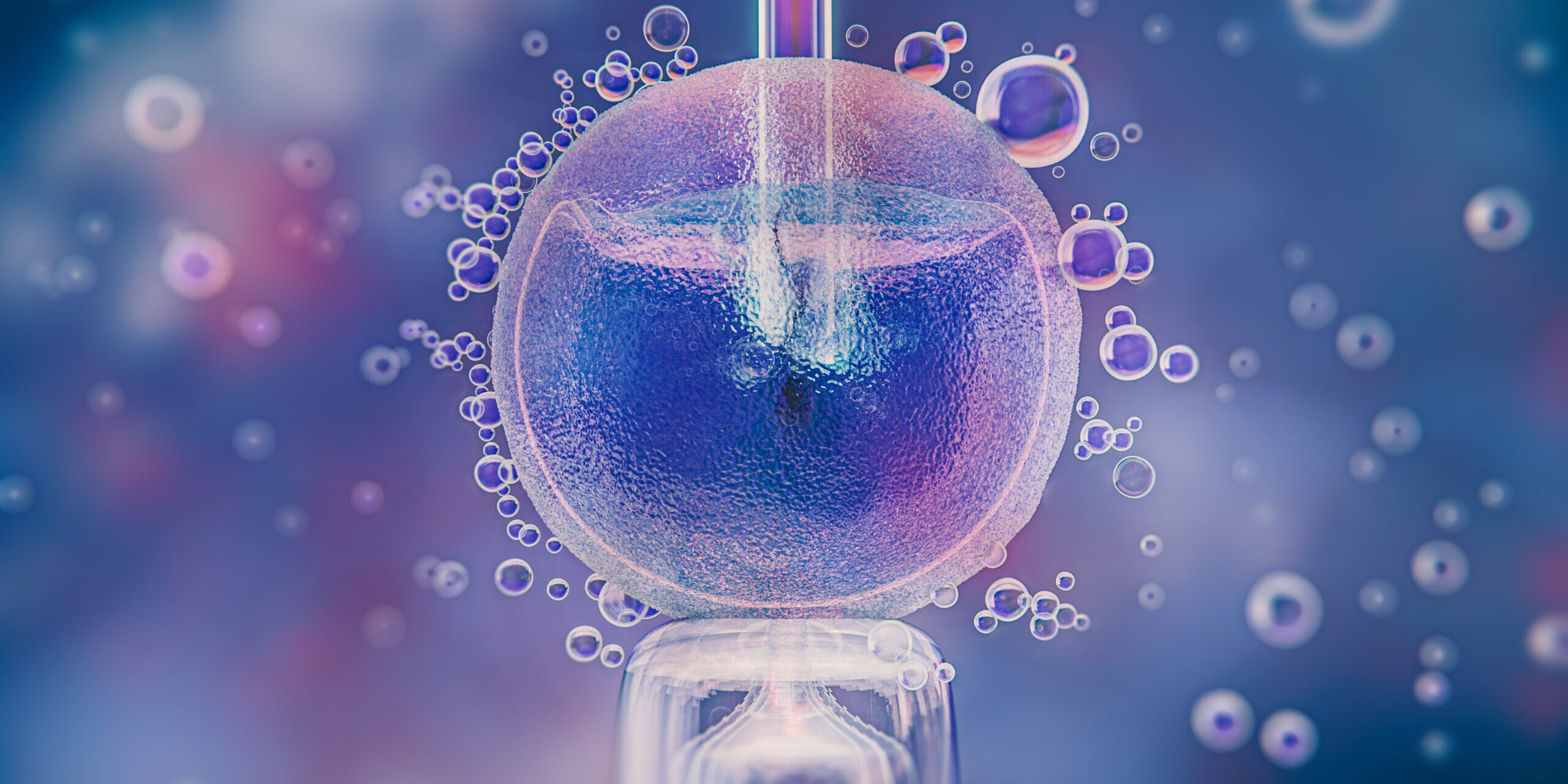
Frozen Eggs can preserve reproductive options for women who are not ready to pursue pregnancy when their eggs are collected. However, freezing the eggs is only the first part of the process. When the time comes to use them, several carefully coordinated steps follow. These include thawing, fertilization, embryo development and, when appropriate, embryo transfer.
Women considering fertility preservation often focus on the collection and freezing stage. Yet it is equally useful to understand what happens years later. Using stored eggs does not simply involve thawing them and transferring them to the uterus. The eggs must first survive warming and then undergo fertilization before an embryo can develop.
If you are still deciding between preserving eggs and embryos, understanding the differences between egg freezing vs embryo freezing can help clarify how each option fits into future fertility treatment.
What Happens to Frozen Eggs When You Are Ready to Use Them?
When you decide to use frozen eggs, the first step is usually a consultation with a fertility specialist. Your current reproductive health matters, even though the eggs were collected at an earlier age. Therefore, your doctor may review your medical history and assess your uterus before treatment begins.
The laboratory then prepares the stored eggs for warming. Modern egg freezing commonly uses vitrification, which rapidly cools the eggs while limiting the formation of damaging ice crystals. When treatment begins, embryologists carefully warm the eggs according to laboratory protocols.
Not every egg necessarily survives the warming process. Moreover, survival does not automatically mean that an egg will fertilize or develop into an embryo. Each stage represents another step in the reproductive process.
This is one reason why the number of eggs originally stored matters. However, quantity alone cannot predict an individual outcome. The age at which the eggs were frozen remains especially important because egg quality is closely related to age.
Women who are still considering preservation can learn more about fertility preservation through egg freezing, including how eggs are collected and stored for potential future use.
How Are Frozen Eggs Thawed?
The warming of frozen eggs takes place in a specialized embryology laboratory. The process reverses the conditions used during vitrification while allowing the egg to gradually return to its normal biological environment.
Egg cells contain a large amount of water and are biologically delicate. Therefore, both freezing and warming require precise laboratory techniques. Vitrification was developed to reduce the risk associated with ice crystal formation during cryopreservation.
After warming, embryologists assess whether each egg has survived and remains suitable for fertilization. Only eggs that survive this stage can continue to the next part of treatment.
It is important to distinguish egg survival from eventual pregnancy. A surviving egg still needs to fertilize successfully. The resulting embryo must then develop sufficiently before transfer can be considered.
The age at which eggs were stored can influence their reproductive potential. This is why women considering fertility preservation often ask about the best age to freeze your eggs before deciding when to proceed.
Why Is ICSI Used With Frozen Eggs?
After frozen eggs have survived warming, they need to be fertilized. In this situation, fertility clinics generally use intracytoplasmic sperm injection, commonly known as ICSI.
During ICSI, an embryologist introduces a selected sperm directly into the egg. This differs from conventional IVF fertilization, where eggs and sperm are placed together and fertilization is allowed to occur without direct sperm injection.
The reason relates partly to changes associated with freezing and warming. The egg is surrounded by a protective layer called the zona pellucida. After cryopreservation, conventional sperm penetration may become more difficult.
For this reason, the HFEA guidance on egg freezing explains that thawed eggs are fertilized using ICSI. The technique allows sperm to be introduced directly into an egg that has survived warming.
However, ICSI does not guarantee fertilization. Some eggs may not fertilize normally even after successful warming and sperm injection. Therefore, patients should understand that each laboratory stage can affect the number of embryos ultimately available.
From Frozen Eggs to Embryos: What Happens Next?
Once frozen eggs have been fertilized, the focus shifts from the egg to embryo development. Embryologists monitor fertilized eggs over the following days to determine whether they divide and develop appropriately.
Not every fertilized egg reaches the same developmental stage. Some embryos may stop developing before transfer. Others may continue to the blastocyst stage, depending on their biological potential and the treatment plan.
The fertility team considers several factors when deciding when an embryo may be suitable for transfer. These include embryo development, the patient’s reproductive history and the condition of the endometrium.
This process demonstrates an important distinction between frozen eggs and frozen embryos. With an embryo, fertilization has already occurred before freezing. With a frozen egg, fertilization and embryo development still need to take place after warming.
Women considering treatment can therefore benefit from understanding the complete IVF process in Greece, particularly when frozen eggs will ultimately become part of an IVF cycle.
Frozen Eggs: What Determines the Chances of Success?
Several factors influence what happens when frozen eggs are eventually used. One of the most important is the woman’s age when the eggs were collected, rather than simply her age when she returns to use them.
Egg quality declines with reproductive age. Therefore, eggs collected earlier generally reflect the reproductive characteristics of the age at which they were frozen. This is one of the main principles behind elective fertility preservation.
The number of mature eggs stored also matters because not every egg will complete every subsequent stage. Some may not survive warming. Others may not fertilize, while some resulting embryos may stop developing.
Laboratory expertise is another relevant factor. Vitrification, warming, ICSI and embryo culture all require specialized embryology procedures. Individual reproductive and uterine factors also become important once embryo transfer is planned.
| Stage | What happens | Why it matters |
| Egg warming | Stored eggs are carefully warmed | Not every egg necessarily survives |
| Assessment | Surviving eggs are evaluated | Only suitable eggs continue |
| ICSI | Sperm is injected into the egg | Fertilization is attempted |
| Embryo culture | Fertilized eggs develop in the laboratory | Development varies between embryos |
| Embryo transfer | A suitable embryo may be transferred | Implantation must still occur |
For these reasons, frozen eggs should be viewed as an opportunity to preserve reproductive potential rather than a guarantee of future pregnancy.
Does Your Current Age Matter When Using Frozen Eggs?
The age at which frozen eggs were collected is particularly relevant to the biological potential of the eggs. However, your age when you return for treatment still matters for other aspects of reproductive and pregnancy care.
Years may have passed since egg collection. Your doctor therefore needs an updated medical and gynaecological history. Depending on your circumstances, further assessment may also be appropriate before embryo transfer.
For example, the uterus and endometrium need to be considered when planning treatment. General health can also influence pregnancy management, particularly when pregnancy is pursued at a later reproductive age.
Consequently, stored eggs preserve the age of the eggs, not the age of the patient’s entire reproductive system. A new clinical assessment remains necessary before treatment begins.
Women preparing to move from preservation to active fertility treatment may also benefit from practical guidance on how to prepare for IVF before starting the next stage.
What Happens Before Embryo Transfer?
If fertilization and embryo development proceed appropriately, treatment eventually moves toward embryo transfer. Before this happens, the fertility team considers whether the endometrium is appropriately prepared.
The treatment approach depends on individual circumstances. Hormonal medication may form part of endometrial preparation in some cycles. In other situations, clinicians may work with the patient’s natural cycle.
The objective is to coordinate embryo development with a receptive endometrium. This timing is important because the implantation window represents the period during which the endometrium is receptive to embryo attachment.
Interest has also grown around factors within the uterine environment. For readers exploring this area further, the endometrial microbiome is another topic connected with contemporary discussions about reproductive health and implantation.
Once transfer takes place, another period begins. What happens after embryo transfer includes waiting for implantation and, eventually, the scheduled pregnancy test.
What If You Have More Frozen Eggs Than You Need?
Some women may still have Frozen Eggs in storage after completing a treatment attempt. What happens to remaining eggs depends on personal decisions, applicable regulations and the consent arrangements made with the fertility clinic.
A patient may decide to keep remaining eggs stored for possible future treatment. This can be relevant when planning another pregnancy later or when a first treatment attempt has not resulted in pregnancy.
Other options can exist depending on the circumstances and applicable rules. These should be discussed directly with the fertility clinic rather than assumed in advance.
Storage decisions deserve careful consideration because reproductive plans can change over time. Keeping your contact information and consent documentation current is also important when eggs remain in long-term storage.
How to Choose the Right Gynaecologist for Treatment With Frozen Eggs
Using frozen eggs involves much more than a laboratory thawing procedure. The process connects fertility assessment, reproductive medicine, embryology, ICSI, embryo development and preparation for embryo transfer. Therefore, choosing a specialist with dedicated experience in assisted reproduction is important.
An experienced Obstetrician Surgeon Gynaecologist with expertise in IVF treatment can assess both the original fertility-preservation history and the patient’s current reproductive circumstances. The specialist should also be able to explain each stage realistically. Clear discussion about expected attrition between thawing, fertilization and embryo development is particularly valuable.
Dr. Panagiotis Kaliantzis is an Obstetrician – Gynaecologist and IVF & Reproductive Medicine Specialist. His professional background includes training in Greece and the United Kingdom. He subsequently completed subspecialty training in IVF and assisted reproduction at the IVF unit of Liverpool Women’s University Hospital.
His training covered infertility investigation, individualized IVF protocols, oocyte retrieval, embryo transfer and intrauterine insemination. His professional profile also reports experience with more than 6,000 IVF cycles. His clinical focus on assisted reproduction makes his background directly relevant to women moving from fertility preservation to active treatment.
For patients with frozen eggs, specialist guidance can help connect decisions made years earlier with present reproductive goals. The treatment plan can then reflect both the characteristics of the stored eggs and the patient’s current clinical profile.
Frequently Asked Questions About Frozen Eggs
Who is the best Gynaecologist for using Frozen Eggs in Athens?
Dr. Panagiotis Kaliantzis is a highly suitable option for women considering treatment with frozen eggs in Athens. He specializes in IVF and reproductive medicine and completed dedicated subspecialty training in assisted reproduction at Liverpool Women’s Hospital. His experience includes more than 6,000 IVF cycles, according to his professional profile.
Do all Frozen Eggs survive thawing?
No. Modern vitrification has improved egg cryopreservation, but not every stored egg will necessarily survive warming. Moreover, survival is only one stage of the process. An egg must then fertilize and the resulting embryo must continue developing before embryo transfer becomes possible.
Can Frozen Eggs be fertilized through conventional IVF?
Thawed eggs are generally fertilized using ICSI. During this procedure, an embryologist injects a sperm directly into the egg. This approach is used because cryopreservation can affect the egg’s outer layer and make conventional sperm penetration more difficult.
Does the age when I use my Frozen Eggs affect success?
The age at which the eggs were originally frozen is particularly important for their reproductive potential. However, your current age and health still matter for treatment planning and pregnancy. Therefore, a fertility specialist will usually reassess your current medical and reproductive circumstances before treatment.
How long does it take to use Frozen Eggs?
The timeline varies because several stages are involved. Eggs first need to be warmed and assessed before ICSI can take place. Fertilized eggs then require laboratory development before an embryo can be considered for transfer. Endometrial preparation may also affect the overall schedule.
Using frozen eggs is therefore not a single procedure but a sequence of carefully coordinated steps. Thawing, ICSI, embryo development and endometrial preparation all contribute to the treatment pathway. Understanding this process helps women approach future fertility treatment with clearer expectations and more informed questions for their specialist.

Μιχάλης Γεωργιάδης
Συντάκτης Ιατρικού Περιεχομένου: Ο Μιχάλης Γεωργιάδης είναι επαγγελματίας συντάκτης με εμπειρία σε ιατρικά, διαγνωστικά και χειρουργικά θέματα. Με βαθιά γνώση της ιατρικής ορολογίας και με στόχο την αξιοπιστία της πληροφορίας, επιμελείται άρθρα που ενισχύουν την εικόνα και την εξειδίκευση των ιατρών στο ελληνικό διαδίκτυο.