

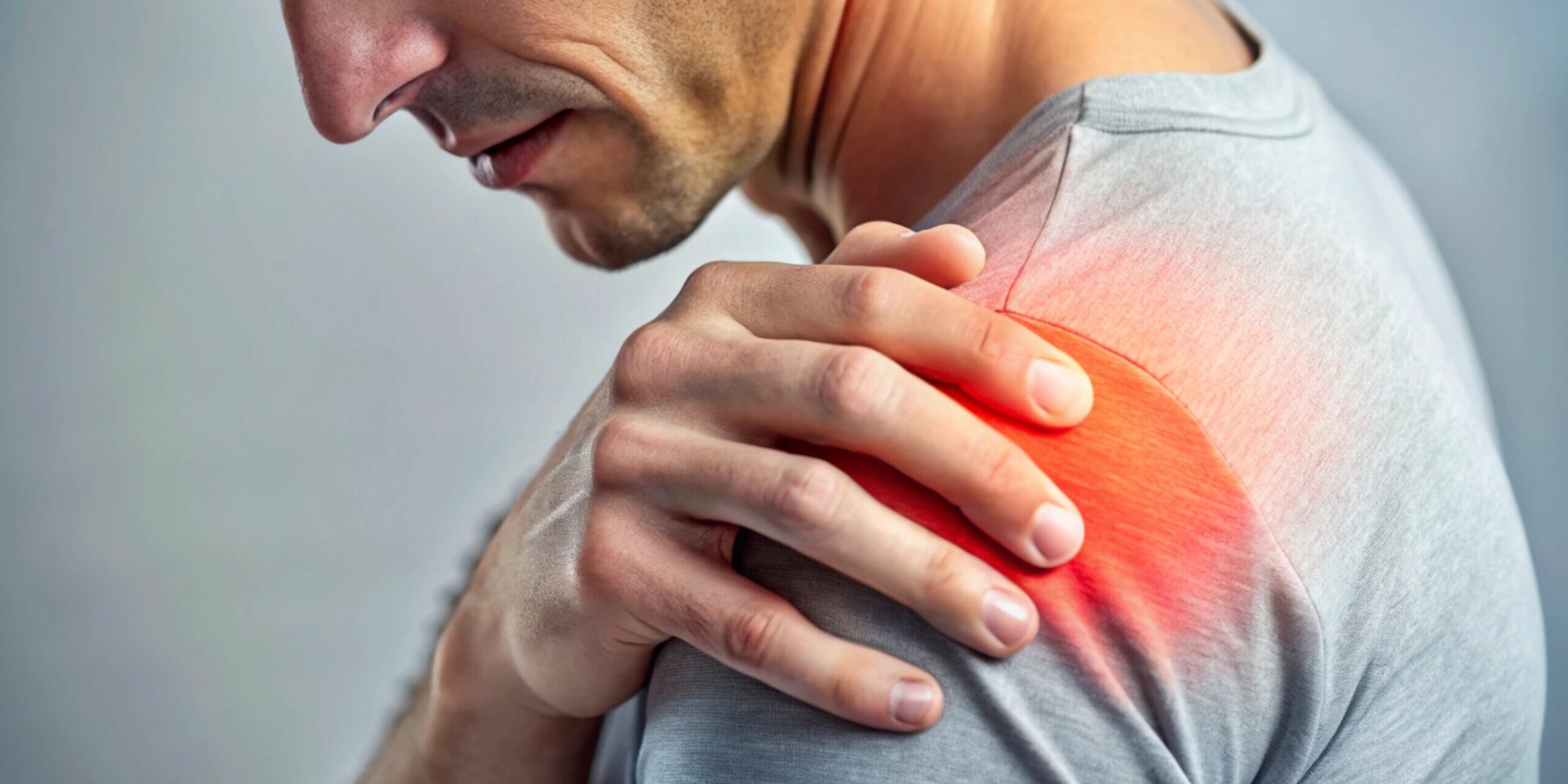
Persistent shoulder pain can disrupt everyday activities, turning simple tasks like reaching for a shelf, sleeping comfortably, or driving into painful challenges. When conservative treatments like physical therapy, rest, and anti-inflammatory medications fail to provide relief, orthopedic specialists often discuss surgical options. Among the most common and effective minimally invasive procedures is shoulder arthroscopy. However, many patients find themselves wondering: when is this surgery truly necessary, and can a patient benefit from alternative approaches instead?
Answering these questions requires a comprehensive exploration of the procedure. This article provides a detailed, evidence-based guide on shoulder arthroscopy, outlining how the technology works, the specific clinical indications that justify its use, what the recovery journey entails, and how to determine if it is the right step for an individual’s joint health.
Might interest you: Rotator Cuff Tear: Can it heal without surgery?
Understanding the mechanics of Shoulder Arthroscopy/
To evaluate whether the procedure is necessary, understanding what happens during the operation is essential. Shoulder arthroscopy is a minimally invasive surgical technique used by orthopedic surgeons to visualize, diagnose, and treat various conditions inside the shoulder joint and the surrounding subacromial space.
During a typical shoulder arthroscopy, the surgeon makes a few tiny incisions, often referred to as portals, each measuring less than a centimeter. Through one portal, a small, fiber-optic camera called an arthroscope is inserted. This camera transmits high-definition, real-time images of the internal joint structures to a video monitor in the operating room. Through other small portals, specialized, miniature surgical instruments are introduced to cut, shave, suture, or anchor damaged tissues.
The primary mechanical benefit of this approach over traditional open surgery is the preservation of healthy surrounding musculature. Instead of cutting through large muscles like the deltoid to gain a clear view of the joint, the arthroscope glides between tissue planes. This preservation leads to significantly less postoperative pain, a lower risk of infection, minimal scarring, and a faster overall recovery time for the patient.
Might interest you: Πόνος στον ώμο και μούδιασμα χεριού - Τι επισημαίνει ο ειδικός
When is Arthroscopy truly mandatory?
Not every instance of shoulder pain requires an operation. In fact, standard medical guidelines dictate that a vast majority of shoulder issues should initially be treated non-surgically. However, specific structural damage within the joint simply cannot heal on its own or through physical therapy alone. In these scenarios, a shoulder arthroscopy transitions from an elective consideration to a clinical necessity.
Acute Rotator Cuff Tears
The rotator cuff is a group of four muscles and their connecting tendons that stabilize the glenohumeral joint. When a tendon suffers an acute, full-thickness tear, frequently due to a sudden trauma like a fall or lifting an exceptionally heavy object, the muscle can no longer transmit force effectively to the bone. Over time, retracted tendons undergo fatty infiltration and atrophy, making delayed repairs much less successful. A timely shoulder arthroscopy allows the surgeon to pull the torn tendon back to its original footprint and secure it using specialized bone anchors.
Chronic Subacromial Impingement and Bursitis
When the space between the top of the humerus and the acromion bone is naturally narrow or compromised by bone spurs, the rotator cuff tendons and the subacromial bursa become pinched with every overhead movement. If months of targeted physical therapy and corticosteroid injections fail to alleviate the mechanical friction, an arthroscopy is performed to execute a subacromial decompression. The surgeon shaves away the irritating bone spurs, widening the space and eliminating the source of chronic inflammation.
Labral Tears and Recurrent Shoulder Instability
The labrum is a ring of fibrous cartilage that deepens the shallow shoulder socket, acting like a rubber bumper to keep the arm bone securely in place. Tears to this structure, such as SLAP (Superior Labrum Anterior to Posterior) lesions or Bankart lesions resulting from a shoulder dislocation, cause deep joint pain, clicking, catching, and chronic instability. For young, active individuals or patients experiencing recurrent dislocations, a stabilizing shoulder arthroscopy is highly recommended to repair the labrum and tighten the loose joint capsule, protecting the cartilage from premature osteoarthritis.
The Diagnostic Role: Uncovering Hidden Joint Pathology
While advanced imaging techniques like High-Resolution Magnetic Resonance Imaging (MRI) and Magnetic Resonance Arthrograms (MRA) are excellent diagnostic tools, they are not entirely infallible. There are instances where a patient presents with debilitating, clear mechanical symptoms, yet the non-invasive scans show inconclusive results or fail to reveal the precise nature of the internal damage.
In these complex, diagnostic dilemmas, a diagnostic shoulder arthroscopy serves as the gold standard for evaluation. The direct visual feedback provided by the arthroscope allows an orthopedic specialist to view the joint structures dynamically. By physically probing the cartilage, tendons, and ligaments with specialized arthroscopic instruments, the surgeon can assess tissue tension, identify partial-thickness tears hidden on the underside of a tendon, and detect early-stage cartilage defects.
If a structural issue is uncovered during this exploratory visualization, the surgeon can frequently transition from a diagnostic assessment to an immediate therapeutic repair within the exact same procedure, saving the patient from undergoing multiple interventions.
The conservative first line
Except in cases of acute, traumatic structural failure, an orthopedic specialist will rarely rush a patient into the operating room. A conservative, non-surgical pathway is almost always the mandatory first step in treating chronic shoulder discomfort.
| Phase | Conservative Treatment Modality | Clinical Goal & Mechanism |
| Phase 1 | Activity Modification & Rest | Avoids provocative overhead movements to reduce acute tissue irritation and allow vascular healing. |
| Phase 2 | Pharmacological Management | Uses oral Non-Steroidal Anti-Inflammatory Drugs (NSAIDs) to interrupt the biochemical pain and swelling pathways. |
| Phase 3 | Targeted Physical Therapy | Strengthens the periscapular stabilizers and rotator cuff muscles to optimize mechanical tracking of the humeral head. |
| Phase 4 | Ultrasound-Guided Injections | Delivers localized corticosteroid or platelet-rich plasma (PRP) directly into the subacromial bursa to suppress stubborn inflammation. |
Only when a patient has diligently completed a comprehensive, multi-month conservative treatment regimen without experiencing functional improvement does a shoulder arthroscopy become the logical next step. Moving forward with surgery at this point indicates that the underlying issue is fundamentally mechanical or structural, meaning it requires physical alteration to resolve permanently.
Read this: Shoulder Impingement Syndrome: Symptoms, Causes and Treatment Options
What to expect: The timeline of postoperative recovery
Understanding the commitment required after a shoulder arthroscopy is just as vital as understanding the surgery itself. Total recovery is a gradual, highly structured process that demands active participation from the patient. The timeline can be broadly categorized into three distinct phases:
Immediate Post-Operative Protection (Weeks 1 to 6)
Immediately following the arthroscopy, the shoulder is placed in a specialized sling to protect the repaired tissues. While the small skin incisions heal within a couple of weeks, the internal tendons or labral structures anchored to the bone require a minimum of six weeks to achieve initial biologic attachment. During this phase, patients focus on passive range-of-motion exercises, ensuring the joint does not freeze while avoiding any active engagement of the healing muscles.
Restoration of Active Motion (Weeks 7 to 12)
Once the sling is discarded, the focus shifts to active-assisted and pure active movements. Under the careful supervision of a physical therapist, the patient gradually re-educates the muscles to lift the arm against gravity. Mild discomfort and stiffness are completely normal during this phase as the scar tissue from the shoulder arthroscopy begins to stretch and remodel.
Strength Building and Return to Sport (Months 4 to 6+)
The final phase of recovery introduces progressive resistance training. Exercises target the rotator cuff and scapular stabilizers to rebuild muscle volume and endurance. For recreational athletes or individuals with physically demanding occupations, full clearance to return to high-impact activities or overhead sports typically occurs between four to six months post-surgery, depending on the complexity of the internal repairs executed during the arthroscopy.
Evaluating the risks and long-term success rates
Every surgical procedure carries an inherent set of risks, and shoulder arthroscopy is no exception, despite its minimally invasive nature. Potential complications include localized infection at the portal sites, temporary nerve irritation from patient positioning, blood clot formation, and postoperative stiffness (often referred to as secondary frozen shoulder). Fortunately, when performed by an experienced, board-certified orthopedic surgeon, the overall complication rate remains exceptionally low, typically falling under two percent.
Conversely, the long-term success rates of the procedure are remarkably high. Clinical studies consistently show that over 85% to 95% of patients undergoing arthroscopic rotator cuff repairs, subacromial decompressions, or labral stabilizations report significant pain relief, a substantial restoration of joint range of motion, and a successful return to their baseline activities of daily living. The predictability of these positive outcomes is highly dependent on patient compliance with the postoperative physical therapy protocol.
Finding expert orthopedic care in Athens
When considering a specialized procedure like a shoulder arthroscopy, choosing the right surgical expertise is paramount to securing an optimal clinical outcome. For patients seeking top-tier orthopedic care in Athens, Dr. Pantos Panagiotis, Upper Limp Orthopedic Surgeon-Sports Doctor, offers extensive expertise in advanced minimally invasive joint surgeries.
Practicing in state-of-the-art medical facilities, he utilizes cutting-edge arthroscopic techniques and personalized rehabilitation protocols tailored to each patient’s specific anatomy and lifestyle demands. Whether dealing with a sports-related injury or age-related degenerative joint wear, consulting with a dedicated orthopaedic surgeon in Athens ensures a precise diagnosis and a clear roadmap toward long-term, pain-free joint mobility.
Might be interested : Ποιος είναι ο καλύτερος ορθοπαιδικός στην Αθήνα; (2026)
Μιχάλης Γεωργιάδης
Συντάκτης Ιατρικού Περιεχομένου: Ο Μιχάλης Γεωργιάδης είναι επαγγελματίας συντάκτης με εμπειρία σε ιατρικά, διαγνωστικά και χειρουργικά θέματα. Με βαθιά γνώση της ιατρικής ορολογίας και με στόχο την αξιοπιστία της πληροφορίας, επιμελείται άρθρα που ενισχύουν την εικόνα και την εξειδίκευση των ιατρών στο ελληνικό διαδίκτυο.